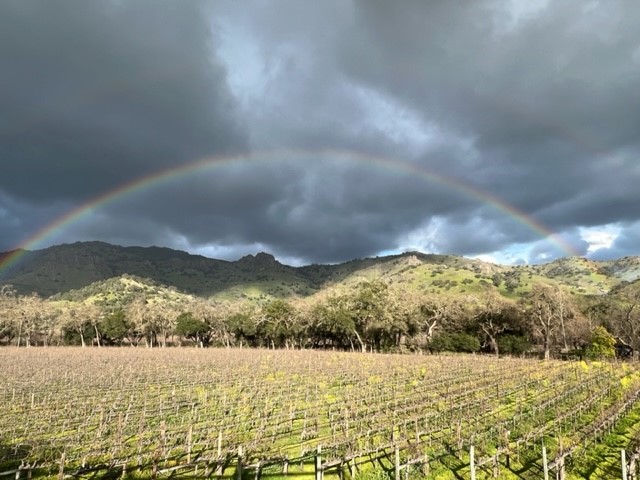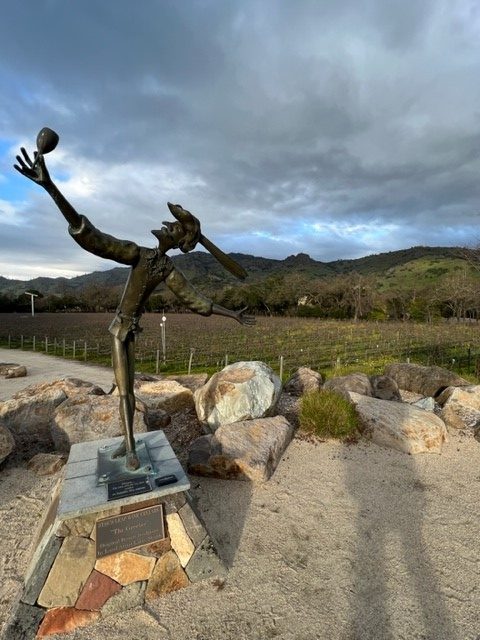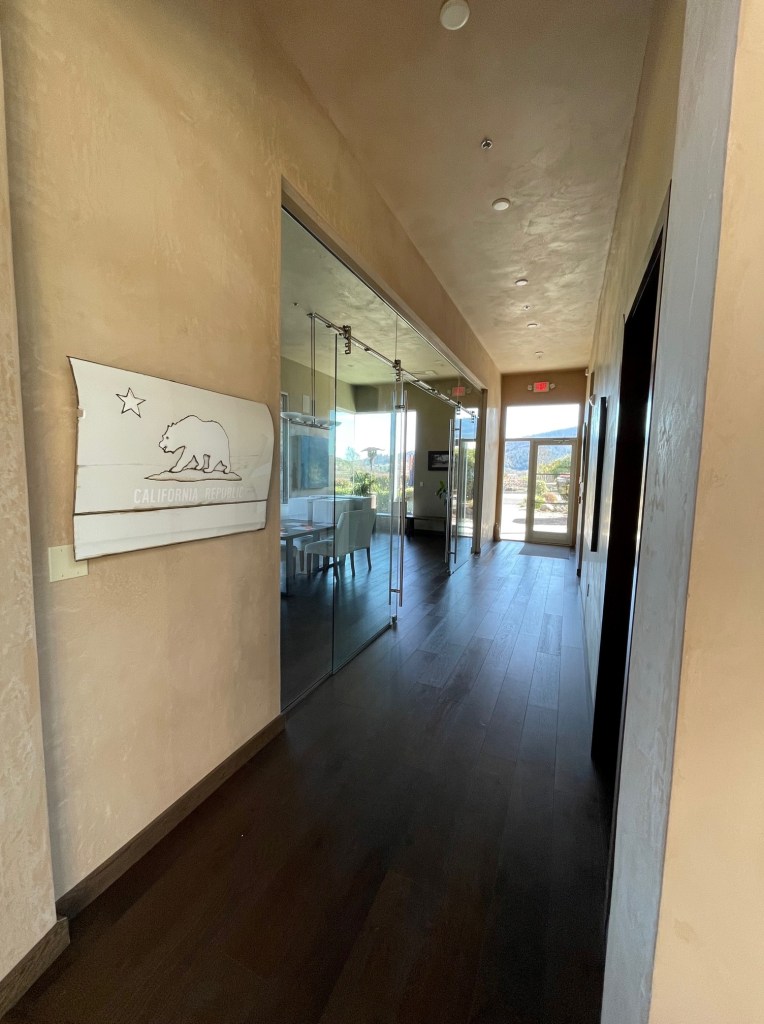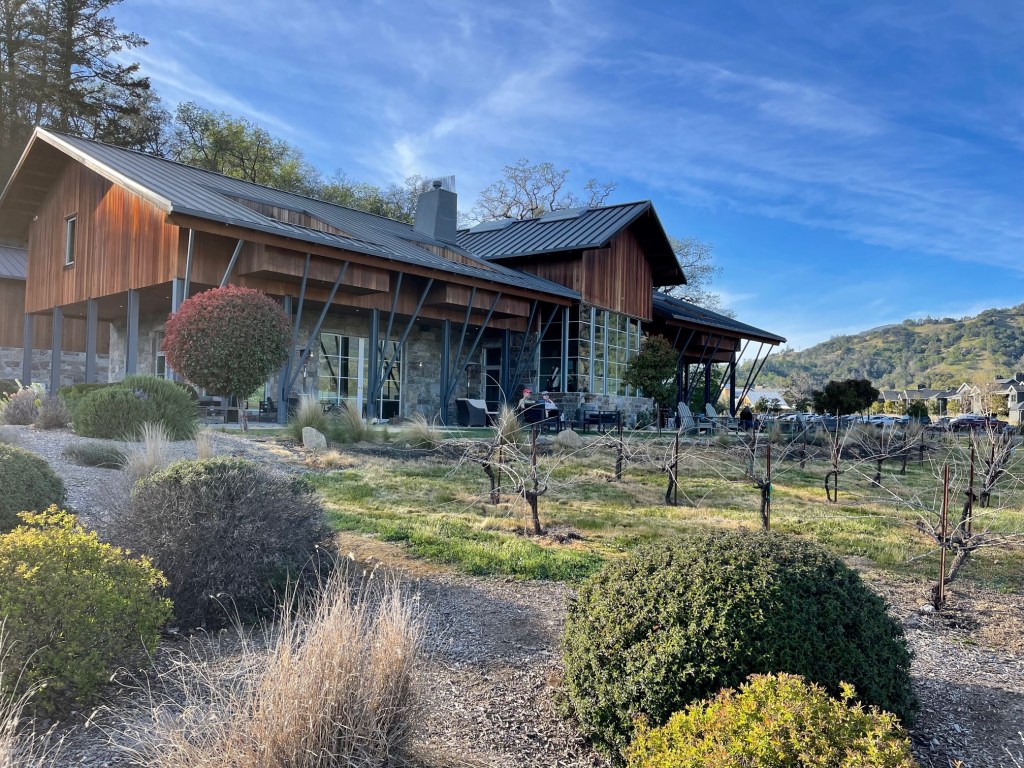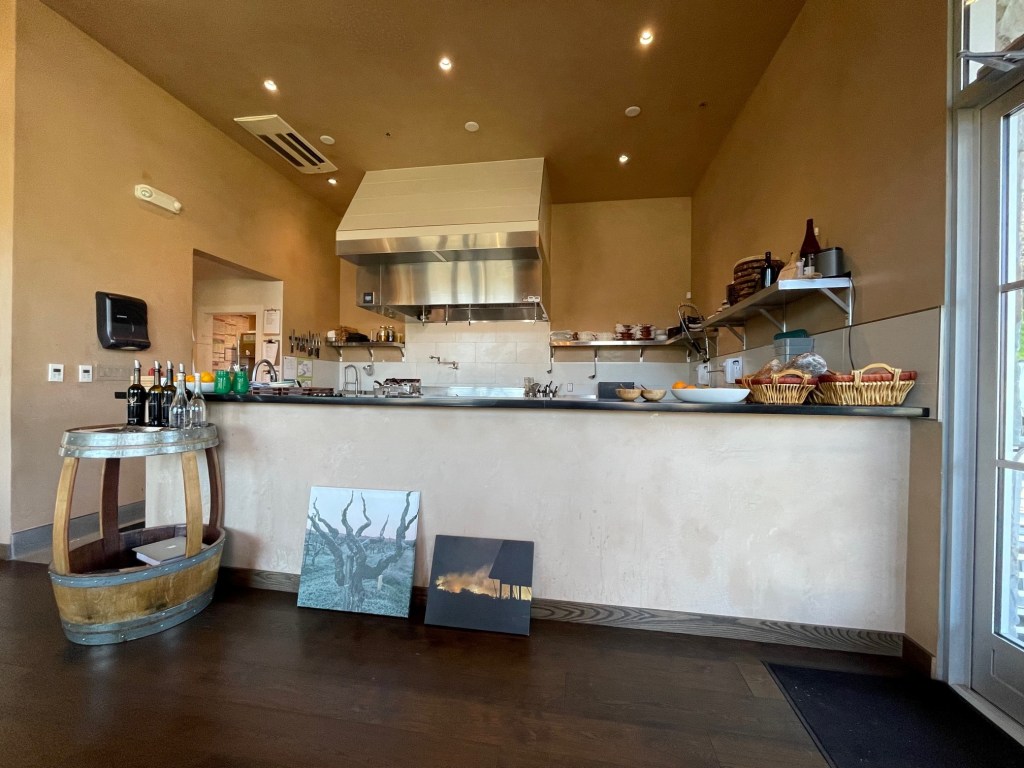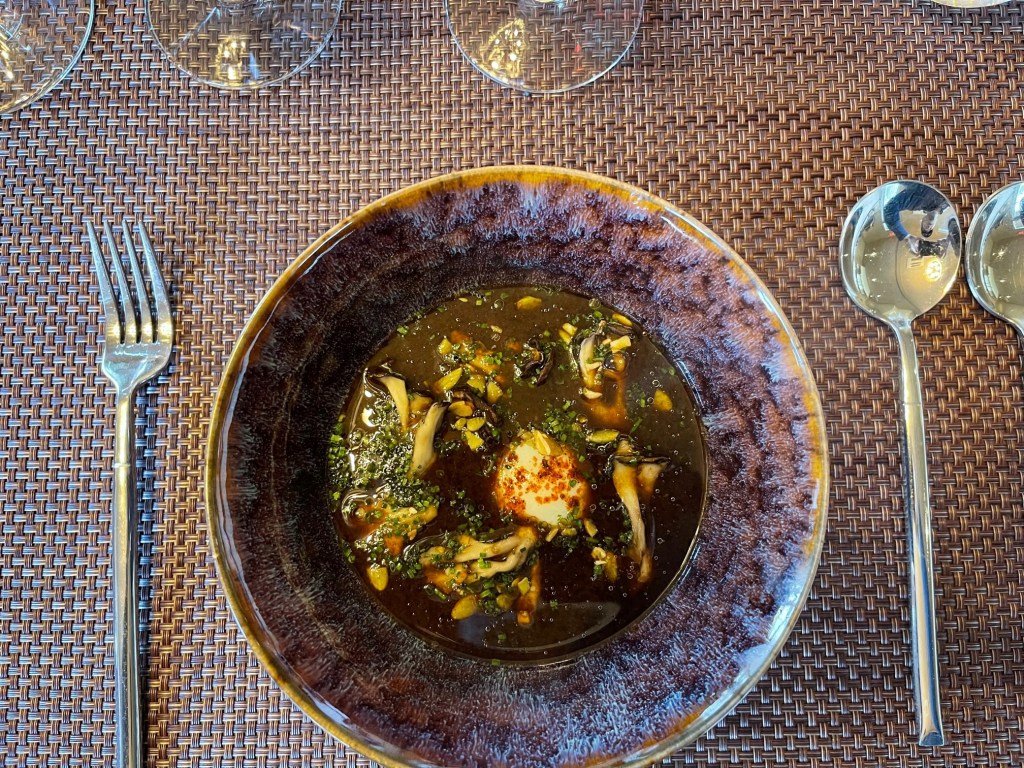
Napa Valley Wine Tasting 2023

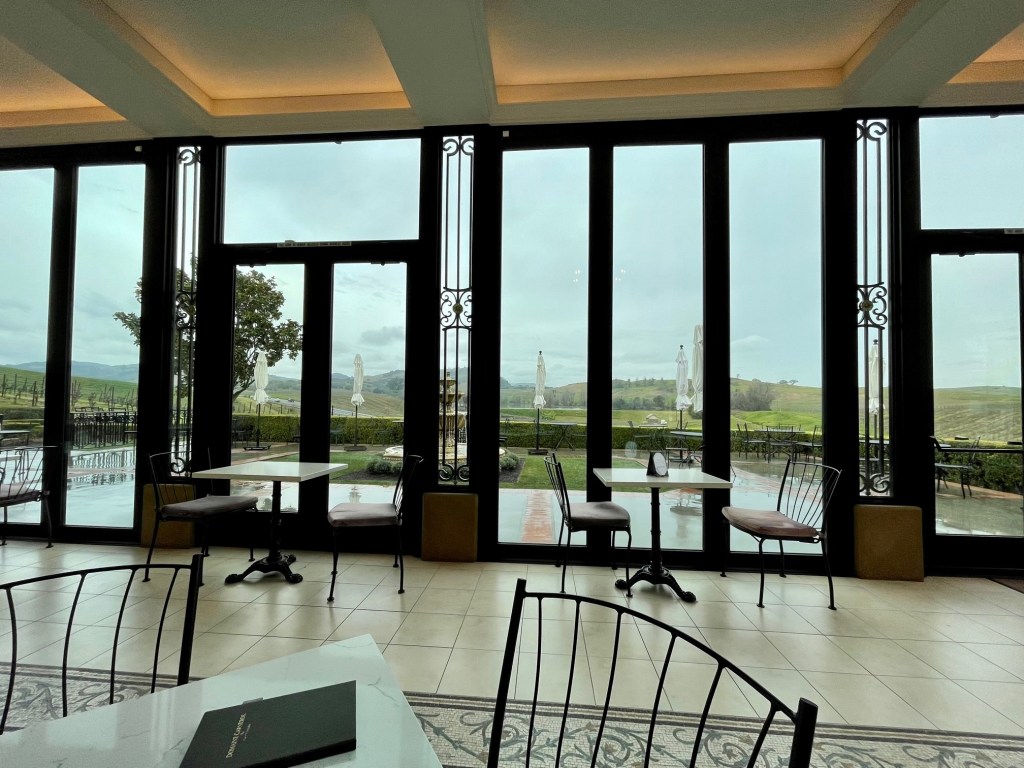
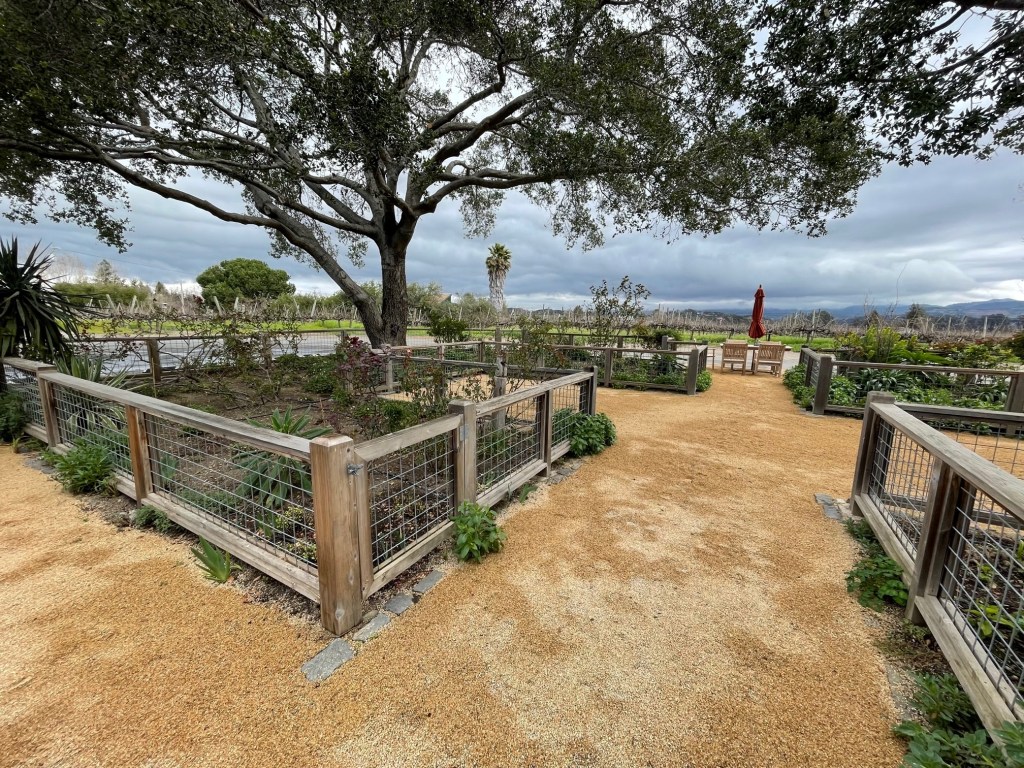
If you love wine, great food and nice people then you have to make it out to the Napa Valley. We made it out last year for the first time and you can read about how to plan a trip, all the great places we ate and what wineries we visited in 2022. We enjoyed our time so much we returned in 2023 to tackle some new adventures as well as revisit and stay at some of our favorites.


*Disclaimer: Some links in this post may be affiliate links. If you click these links and purchase these items, we will receive a small commission. This will not increase the cost to you at all but will help defray the costs of the blog.

Before we get started one thing worth considering before heading to Napa is purchasing a wine suitcase to bring home some of the single bottles you purchase along the way to avoid shipping. We really like ours and everything gets home in one piece. Its also great if taking wine with you on a vacation or to give as a gift. You can fit 12bottles but many expensive wines come in heavy bottles so you may only get 11 bottles in under the weight limit.

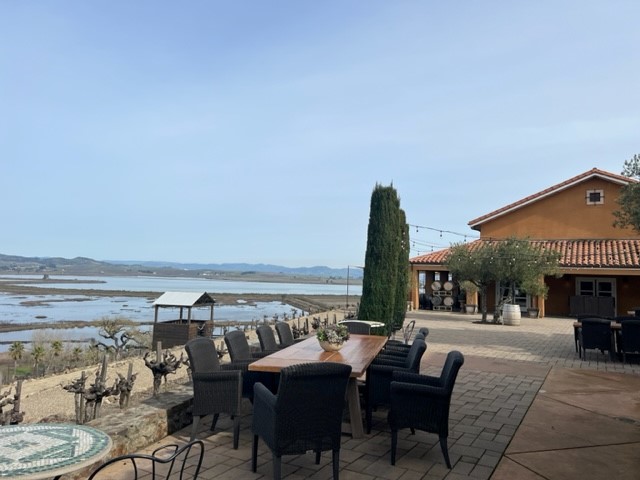
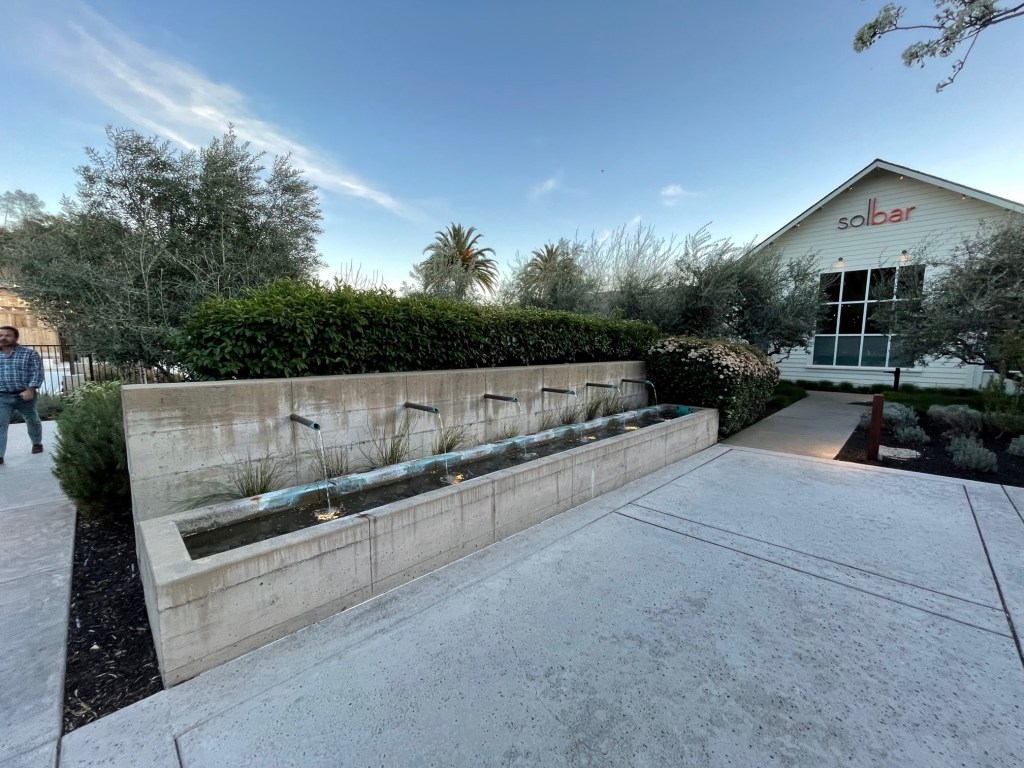
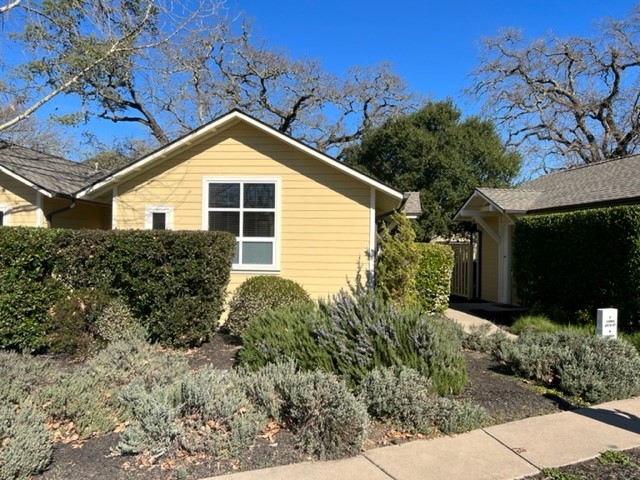
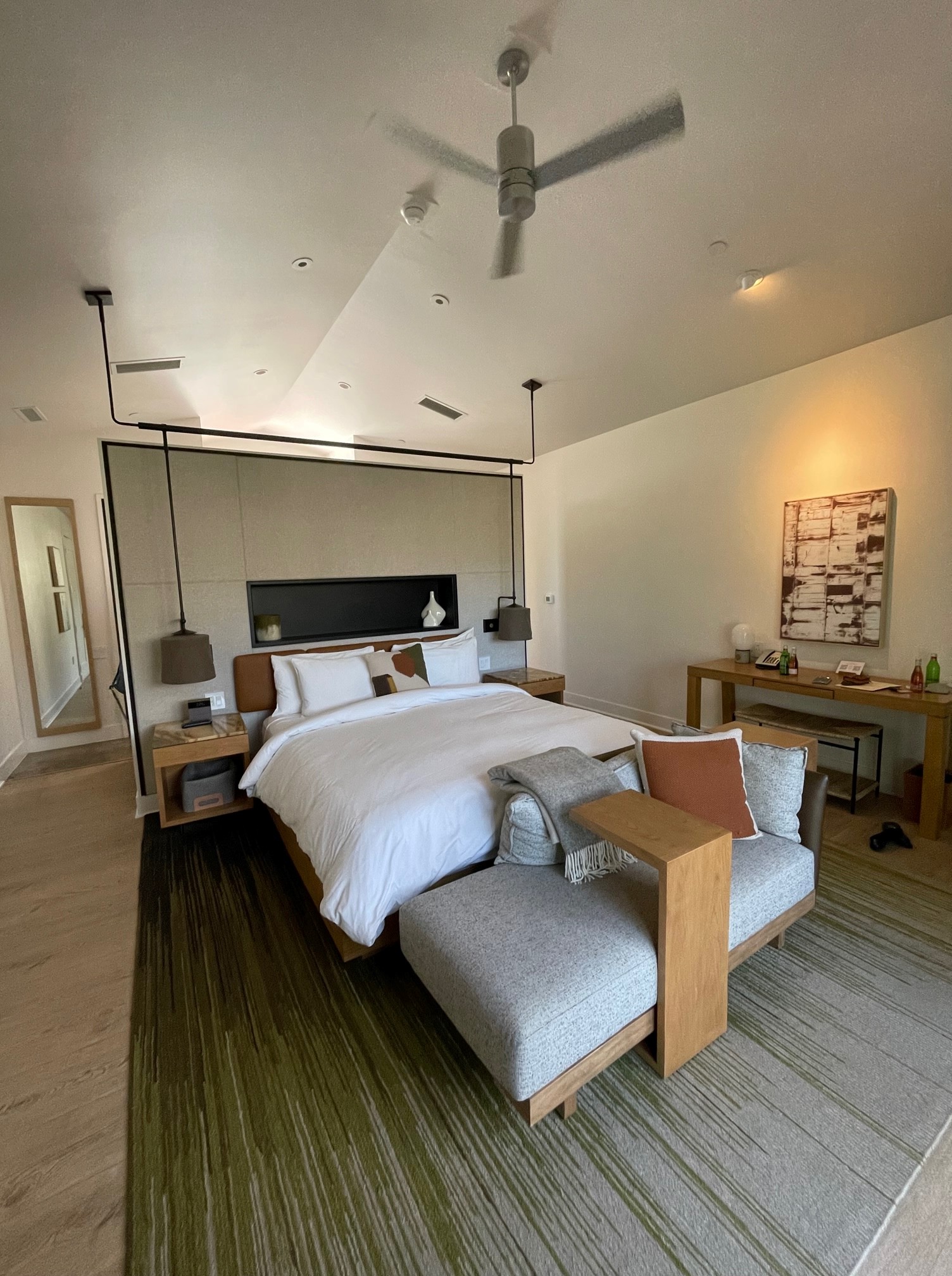
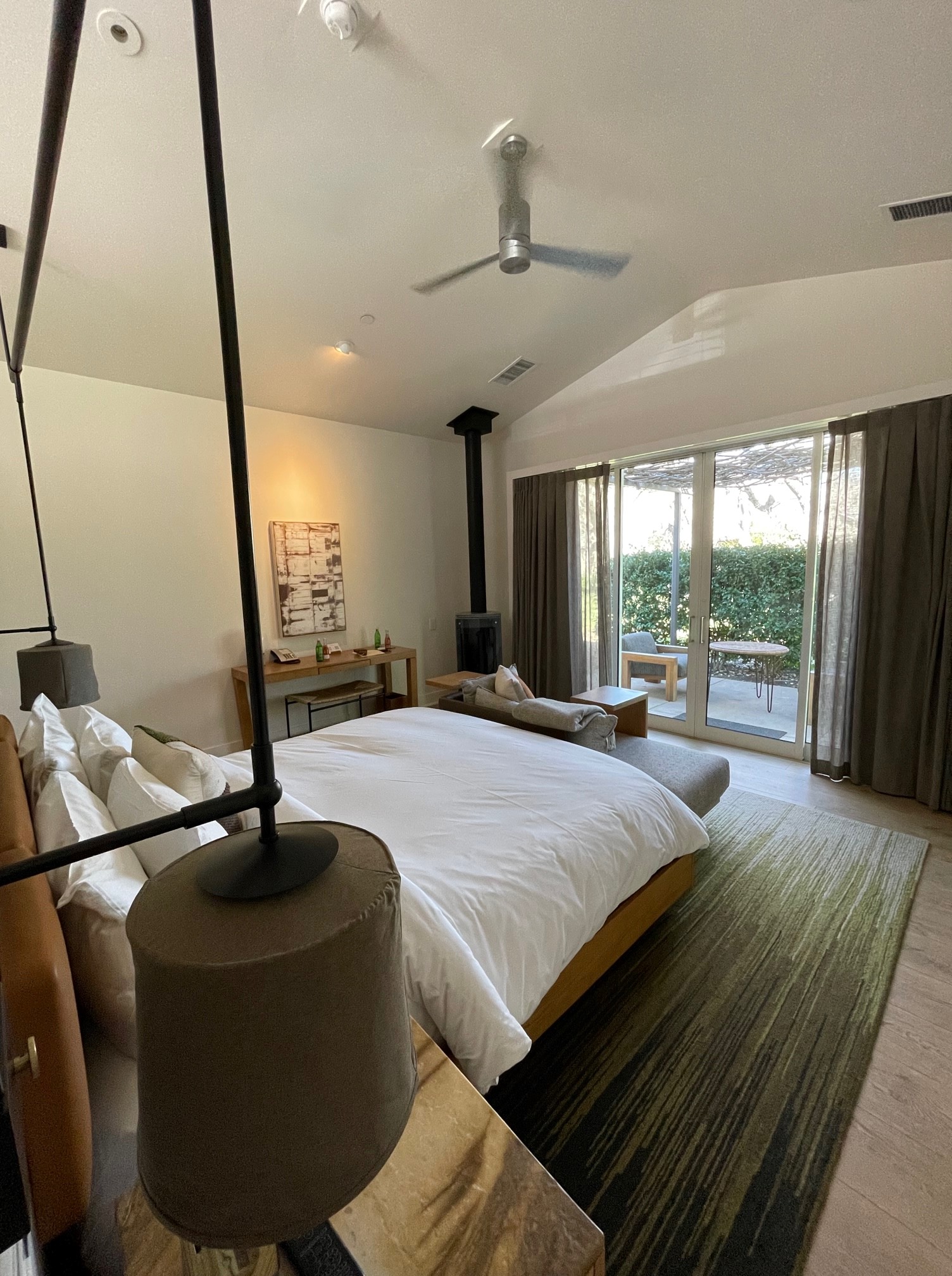
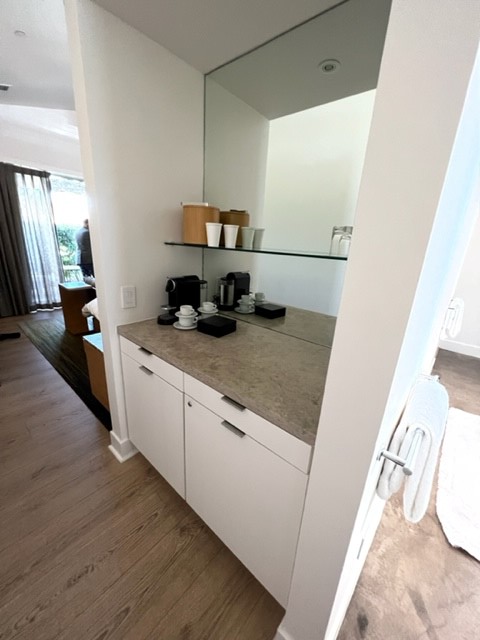
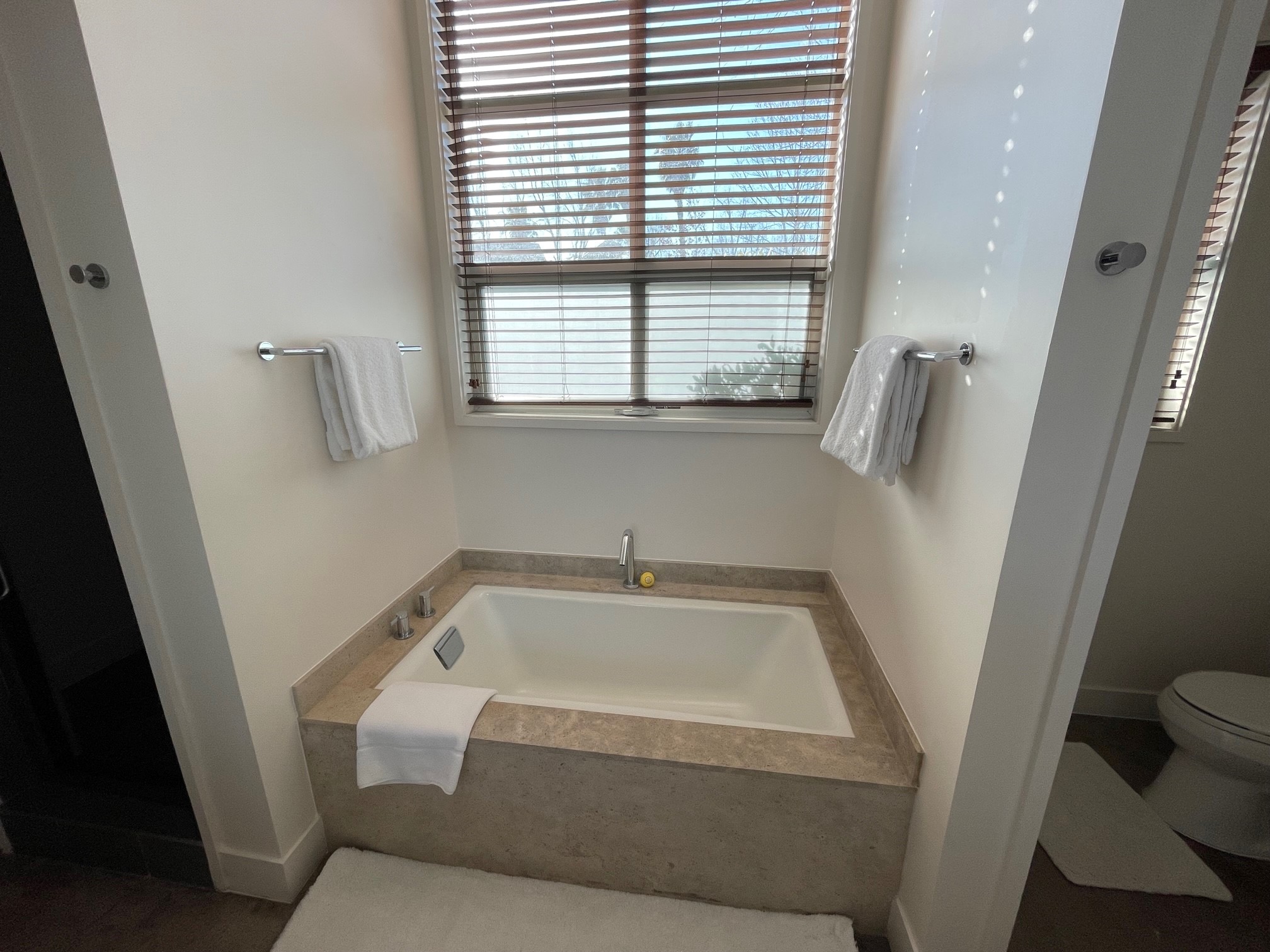
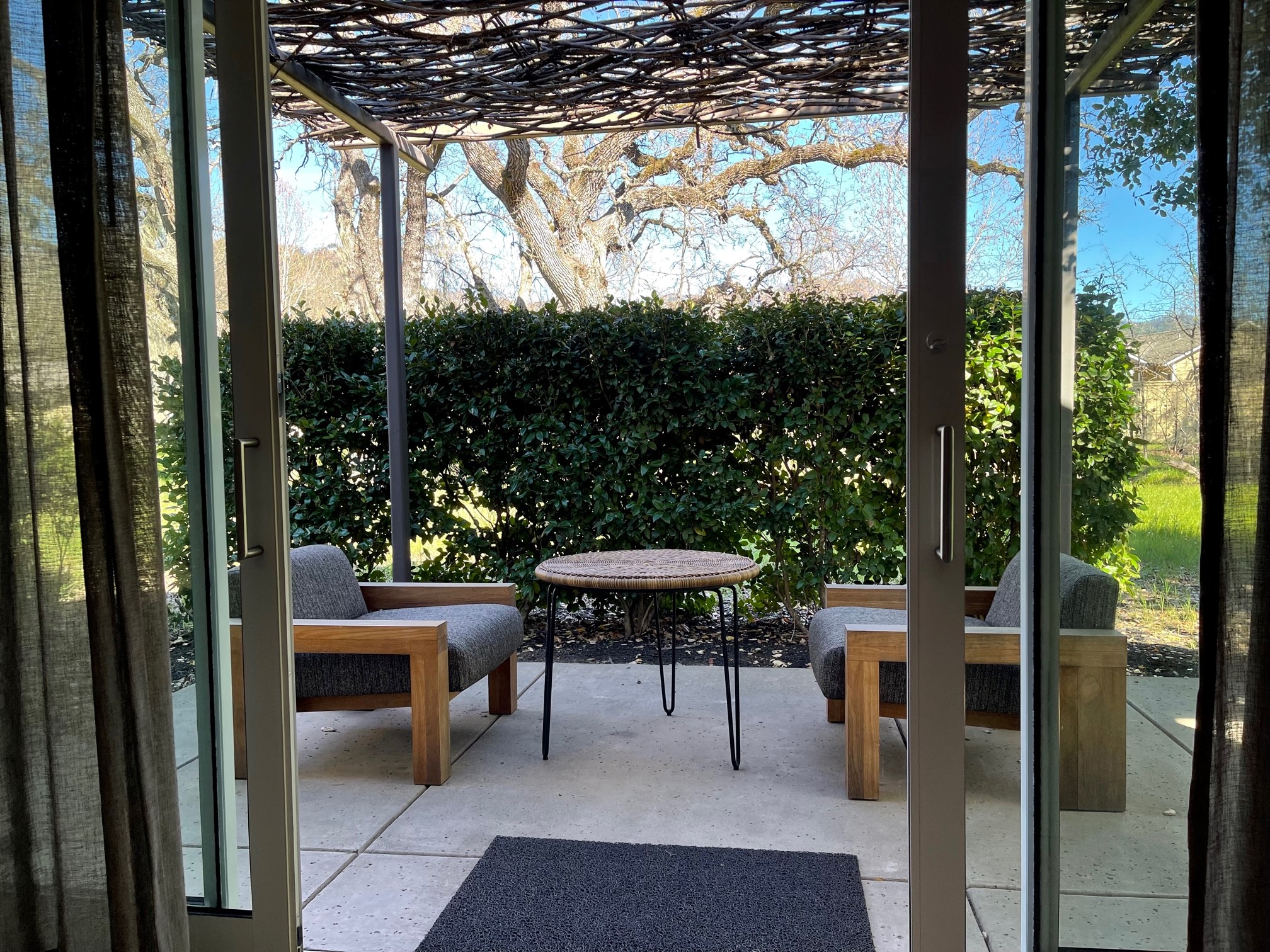
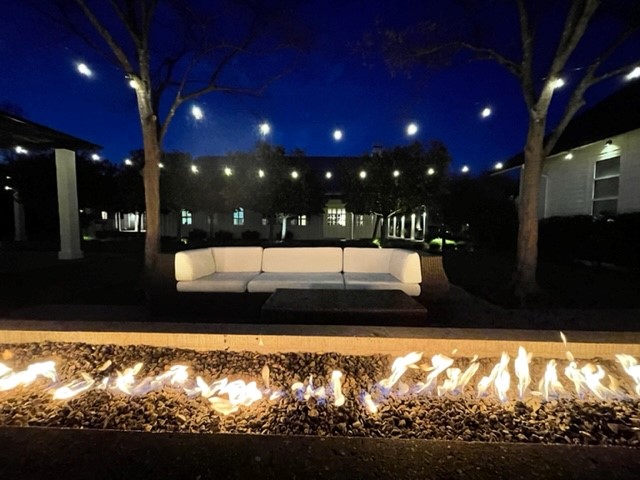
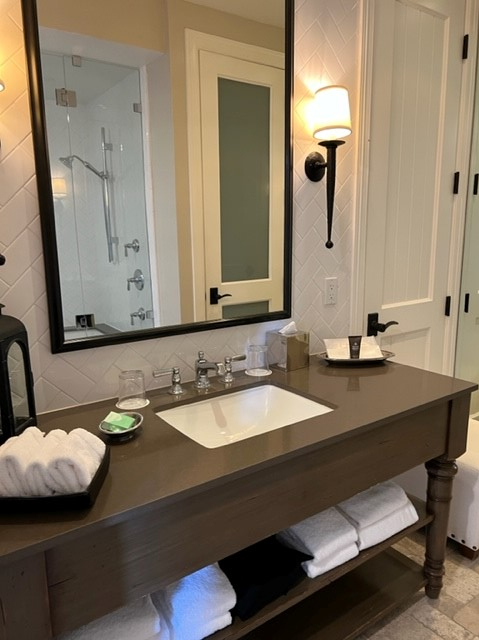
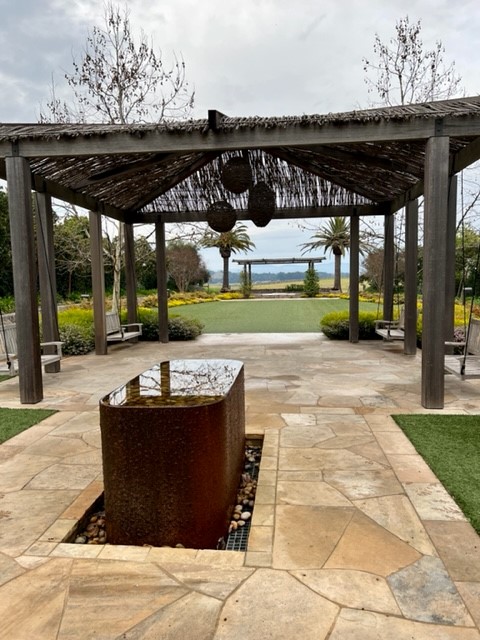
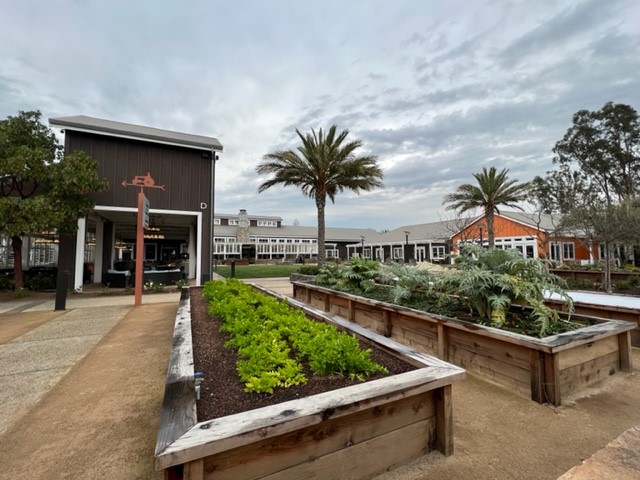
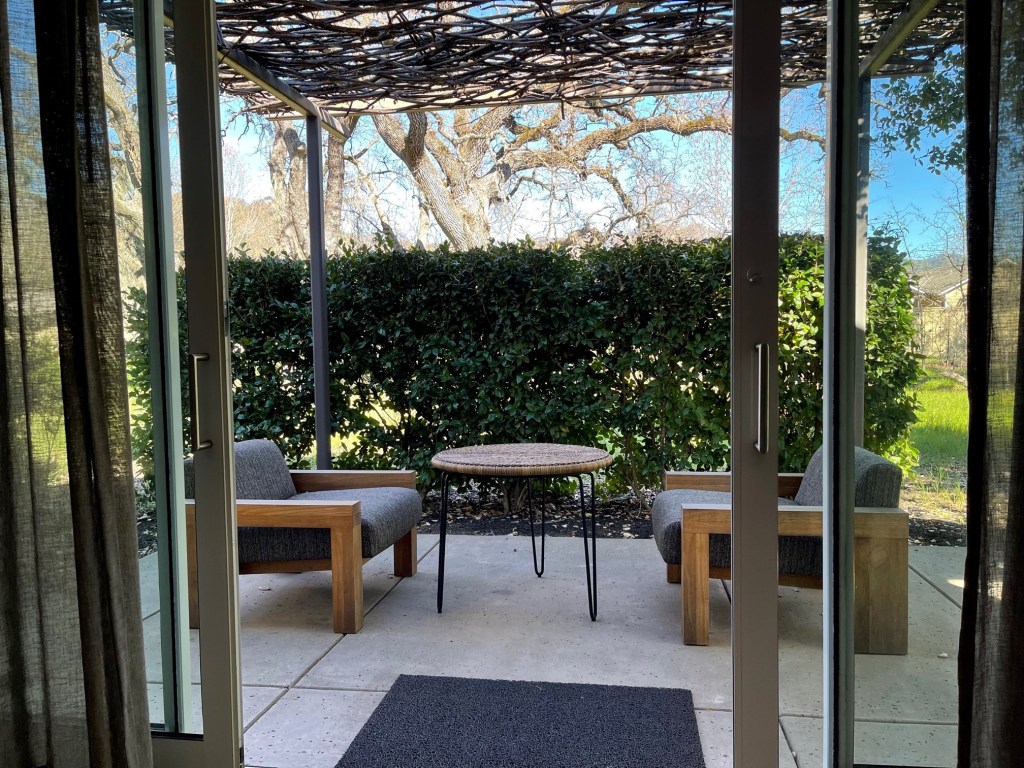
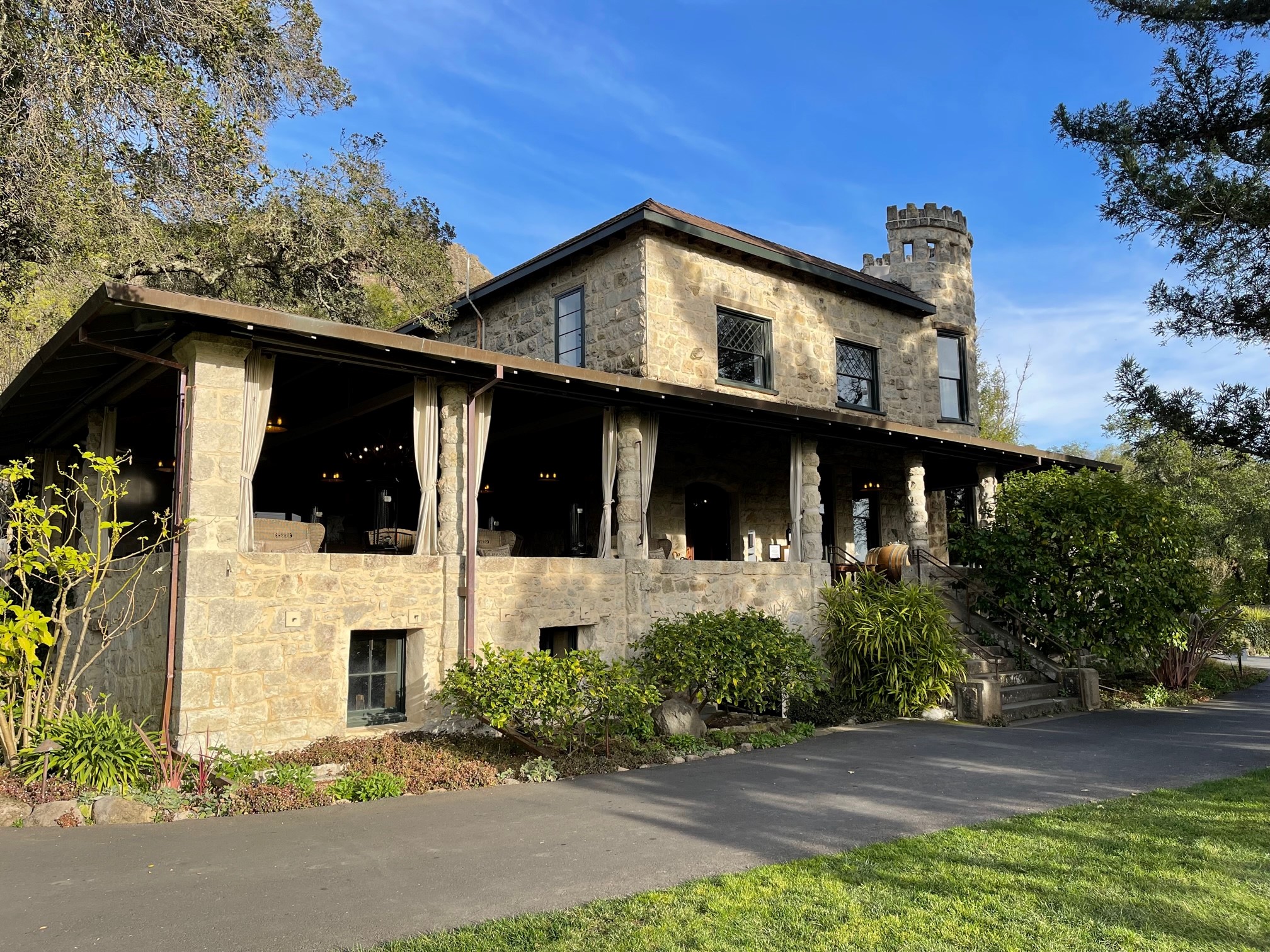
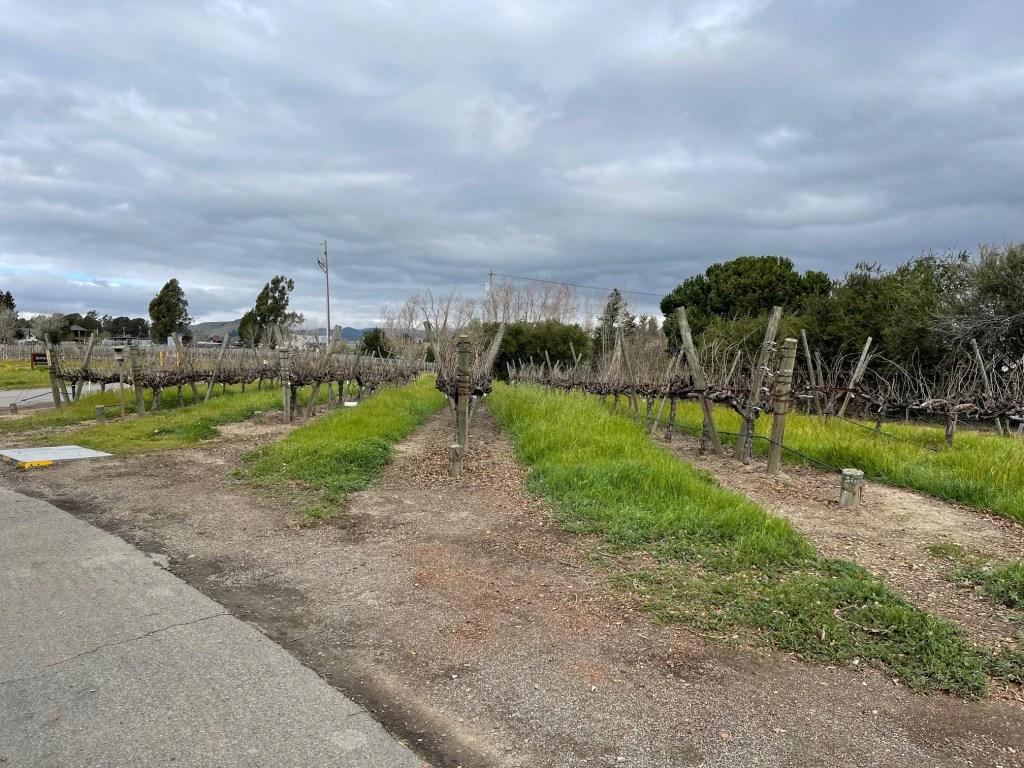
For this trip we stayed at the Carneros Resort in the Carneros region and Lavender in Yountville to allow us to explore some of the more southern areas of the Napa Valley. We loved our time at the Carneros resort when we last visited so we felt the need to get back. Also, they were running a great mid-week special that made it much more affordable. Now many may ask why February and not for harvest. Some is timing for us, but more importantly it’s the fact that you have the valley to yourself. Sure, it’s colder and the buds haven’t really started to break yet, but the price is far more affordable, and the tastings are almost completely private. We love wine and getting that extra library taste or two is great, but the best part is the stories and personal attention we get. This makes the trip much more enjoyable and for a couple that is strongly considering starting a winery, very educational.

Day 1

We flew into San Francisco Airport and grabbed our bags (which by the way were already on the belt when we got there). San Fran is such an efficient and beautiful airport. We hopped the shuttle over to Budget and grabbed our car. We had rented a Tesla but they didn’t have any ready at that moment, so we opted for a red Mustang and hit the road. Not one for worrying about the type of rental car I have, I will say, the roar of the engine cruising down through wine country was quite the treat.

On our way to Carneros we found ourselves hungry and stuck in some construction traffic from a downed electrical pole right in front of Viansa winery. The website said they had a market with Italian sandwiches and as divine providence had it in the cards, who were we not to stop?

Viansa

Who is this winery for? This would be for those who want Italian style wine made with care and thought. The winery is also a great place to grab a bite.

Viansa was founded in 1990 to create a blend of both the rich culture of Italy and the bounty of the Sonoma Valley. This was a place the founders wanted to make everyone feel welcome with the motto amici di famiglia, or “friends of the family.”

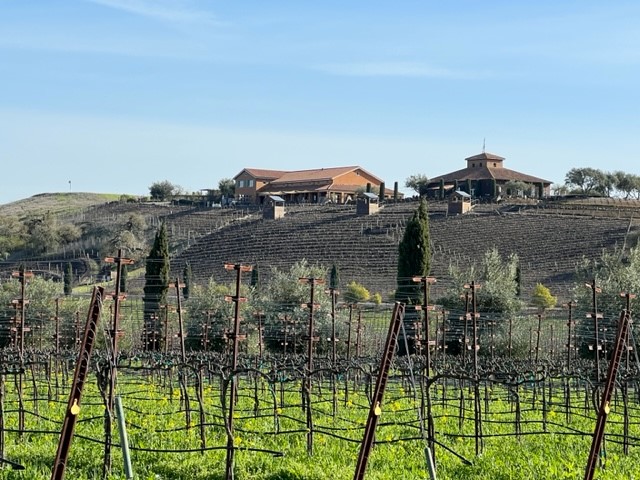
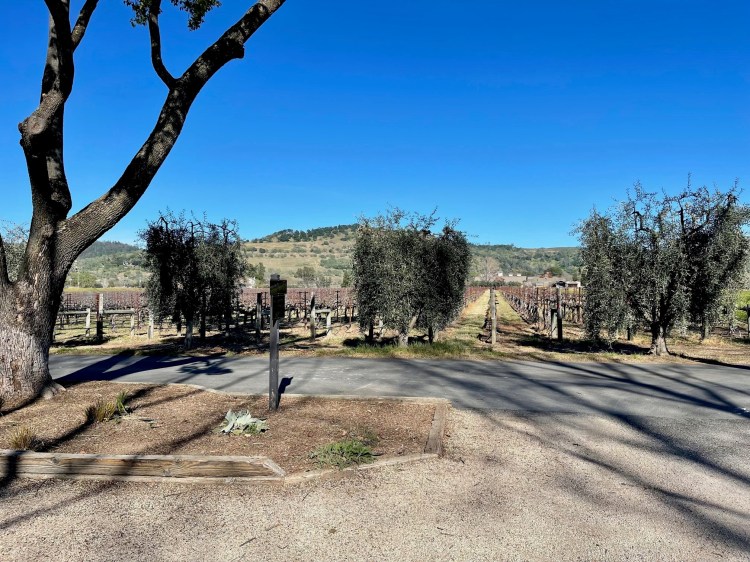
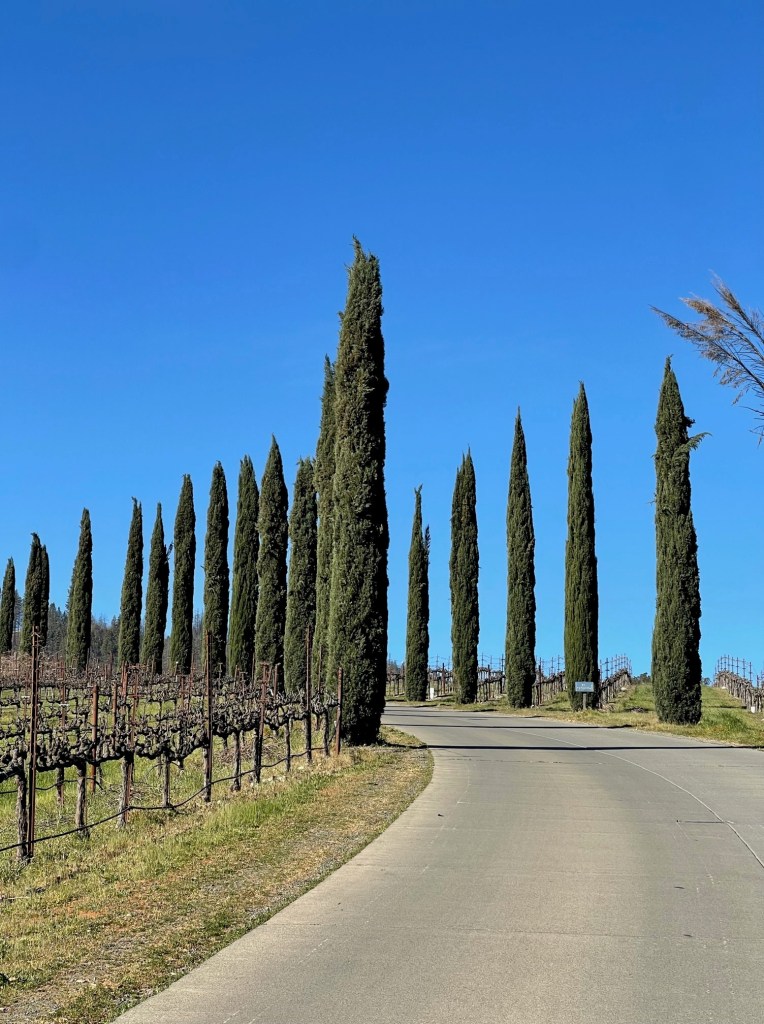
The villa on the top of the hillside is often referred to as the “Summit of Sonoma” for its unmatched panoramic view of the entire Sonoma Valley. You enter the estate down a road winding through olive tree-lined vineyards and a 97-acre wetland preserve and are immediately struck by the beauty of the villa and the vista. Viansa is now being run by the fourth generation of the Sebastiani family in Sonoma continuing the family affair this vineyard has always been.

Upon arriving, we climbed the last few stairs to the villa and were immediately struck by the beautiful views. It truly is reminiscent of Italian villas overlooking ancient vineyard. The market is open and airy with excellent food. We had an Italian sandwich and some roasted red pepper orzo salad. The sandwich was masterfully put together with the best ingredients and paired perfectly with our tastings. We left with a bottle of the Terra Cabernet which at 35 dollars was a great steal and a bottle of their Estate pinot noir. It is not your average pinot, with bold flavors but maintaining the silky approachability of pinot. They blend 3 clones to perfection to create this special addition to my pinot repertoire. We are not big pinot drinkers, but this was a must buy, and at 50 dollars was another relative bargain in the Napa area.

Full from lunch and great conversation with the tasting staff we headed the last 10 miles to Carneros Resort.

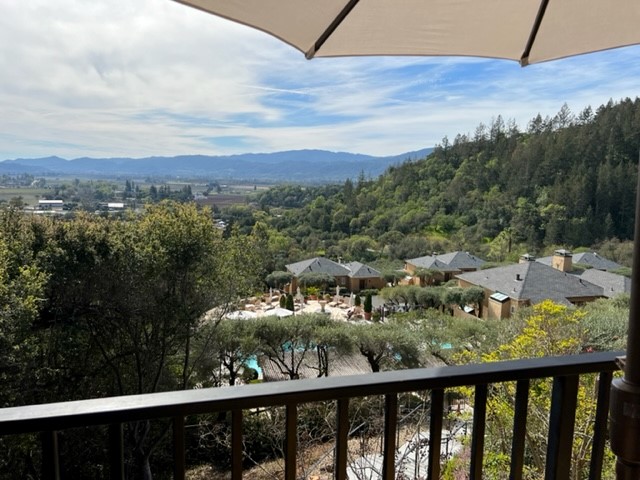
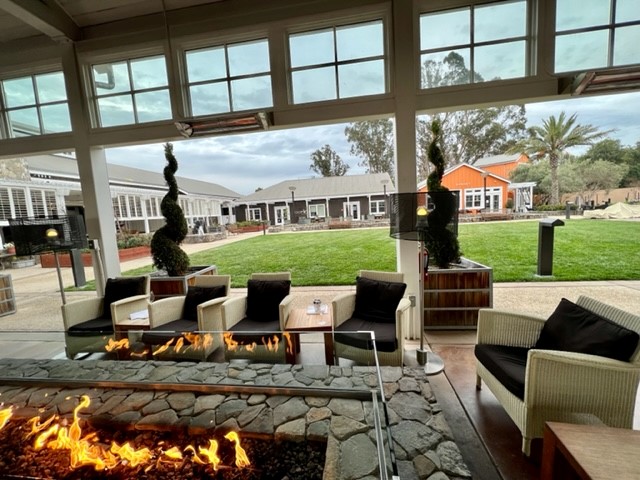
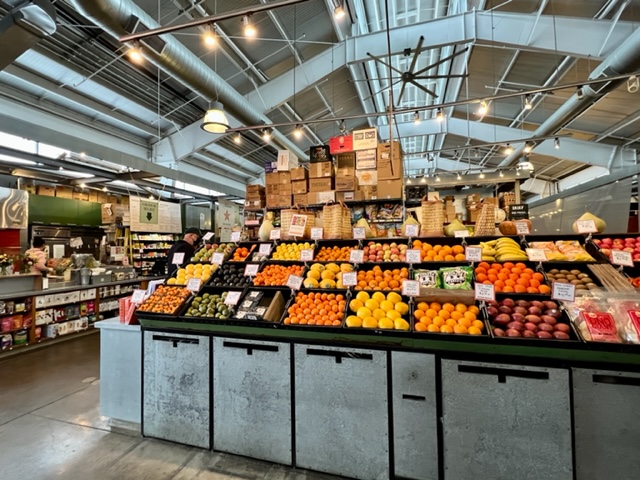
The Carneros Resort is a full-service resort with a spa that offers many treatments and experiences in the serene setting of the Napa countryside. It was voted Best Spa in Napa by Organic Spa. It also has a fabulous country store with lots of wine, beverages, and bites, so guests can stock up for a picnic, purchase snacks for their room, or grab a quick meal before you head out for a day of sightseeing. If you want to know more about this resort see our earlier post.
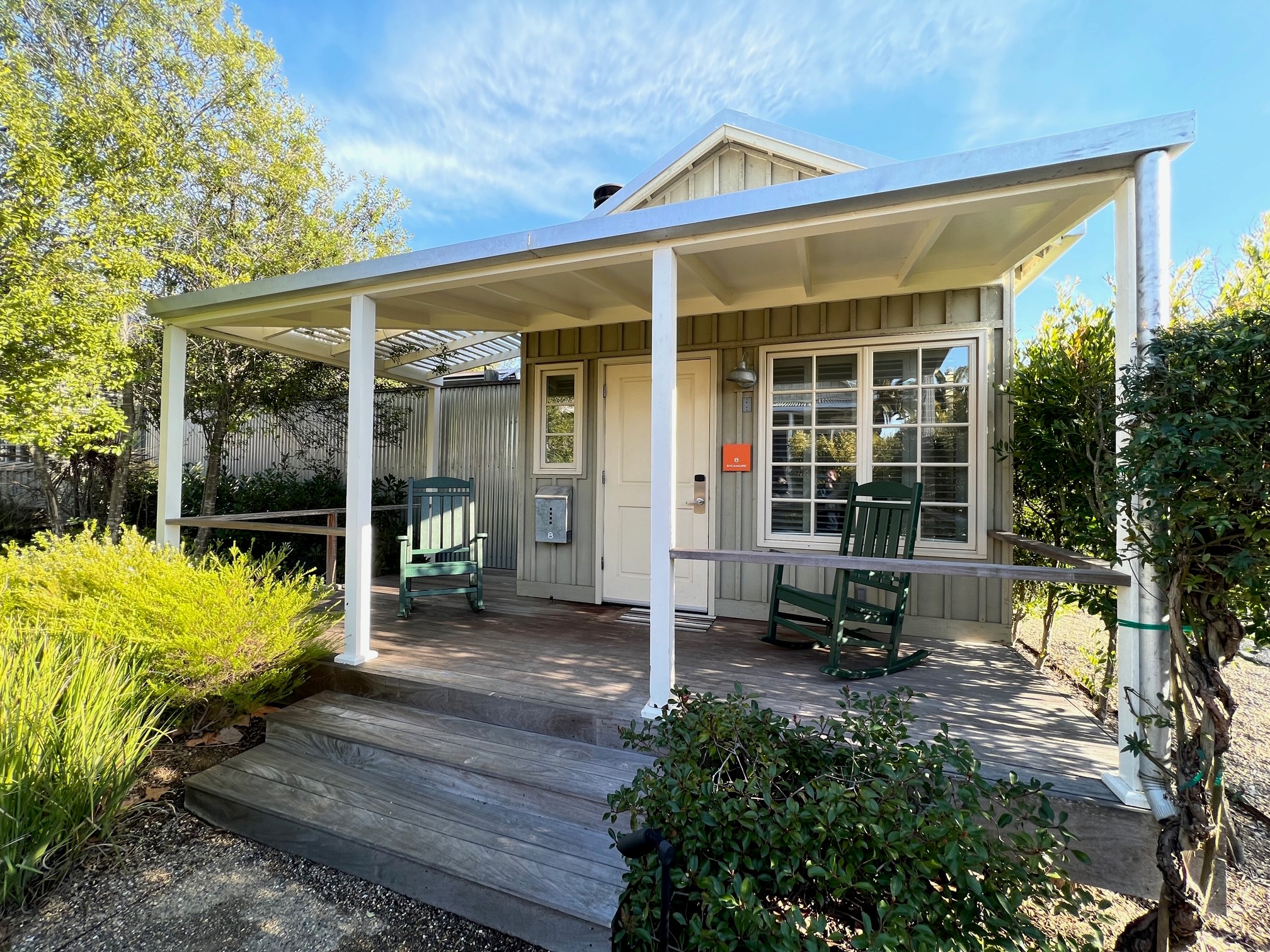
After a little rest in the room it was off to our first planned tasting at Etude winery.

Etude

Who is this winery for? This would be for those who are interested in a small lot, small production winery that makes pinots like no other, with numerous clones and a vast breadth of wine making experience.

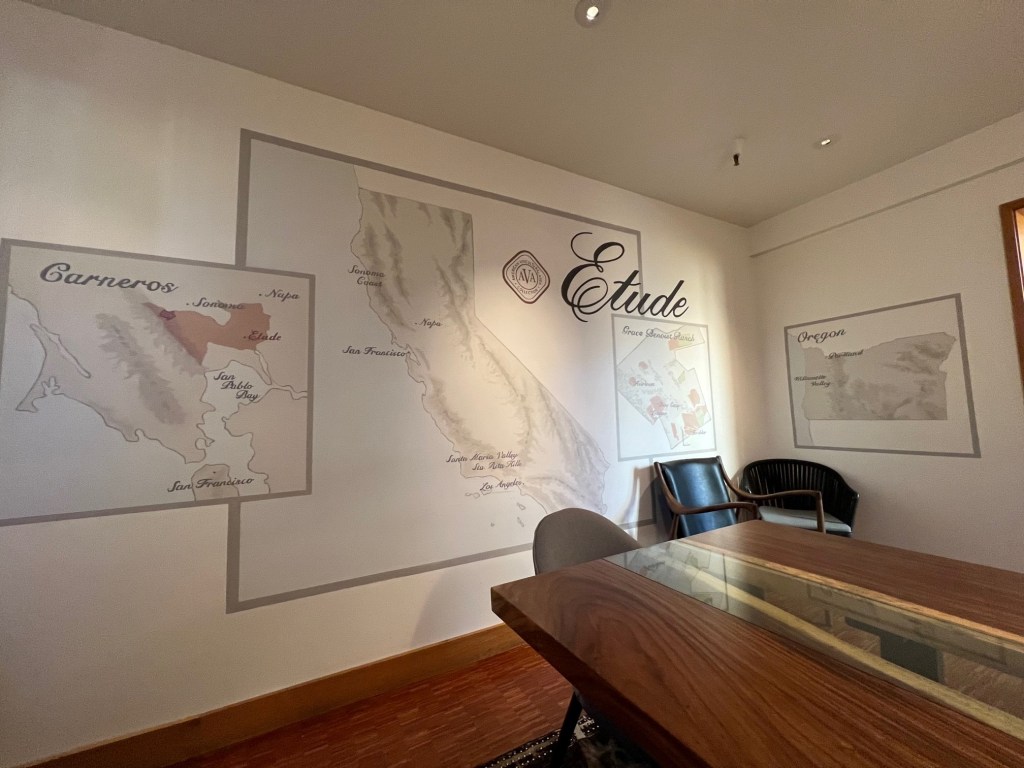
Etude is right down the street from the Carneros resort and was established in 1982 by Tony Soter who set his sights on making world renowned Pinot Noir in the cooler climate found in the Carneros region.

As a winemaker, Tony felt “Pinot Noir is the most appropriate vehicle with which to study wine growing, precisely because of its demanding nature but also because of its delicacy and transparency. Make no mistake it is a humbling pursuit, but when it’s right, Pinot Noir is a glorious and moving thing. It is in the pursuit of that experience that we all work.” In this endeavor Tony was successful. He sold the winery name and land to Berringer Blass in 2001 but remained part of the team for several years after. He still owns a vineyard in Oregon. Though they source grapes from many regions, one of the keys to their pinot noirs is the development of nearby Grace Benoist Ranch in 2000. On the ranch are seven Chardonnay clones, nine Heirloom Pinot Noir clones, and eight additional Pinot clones, all divided into 24 individual vineyard blocks, each with its own soil type, rootstock, grape variety and clonal type. 
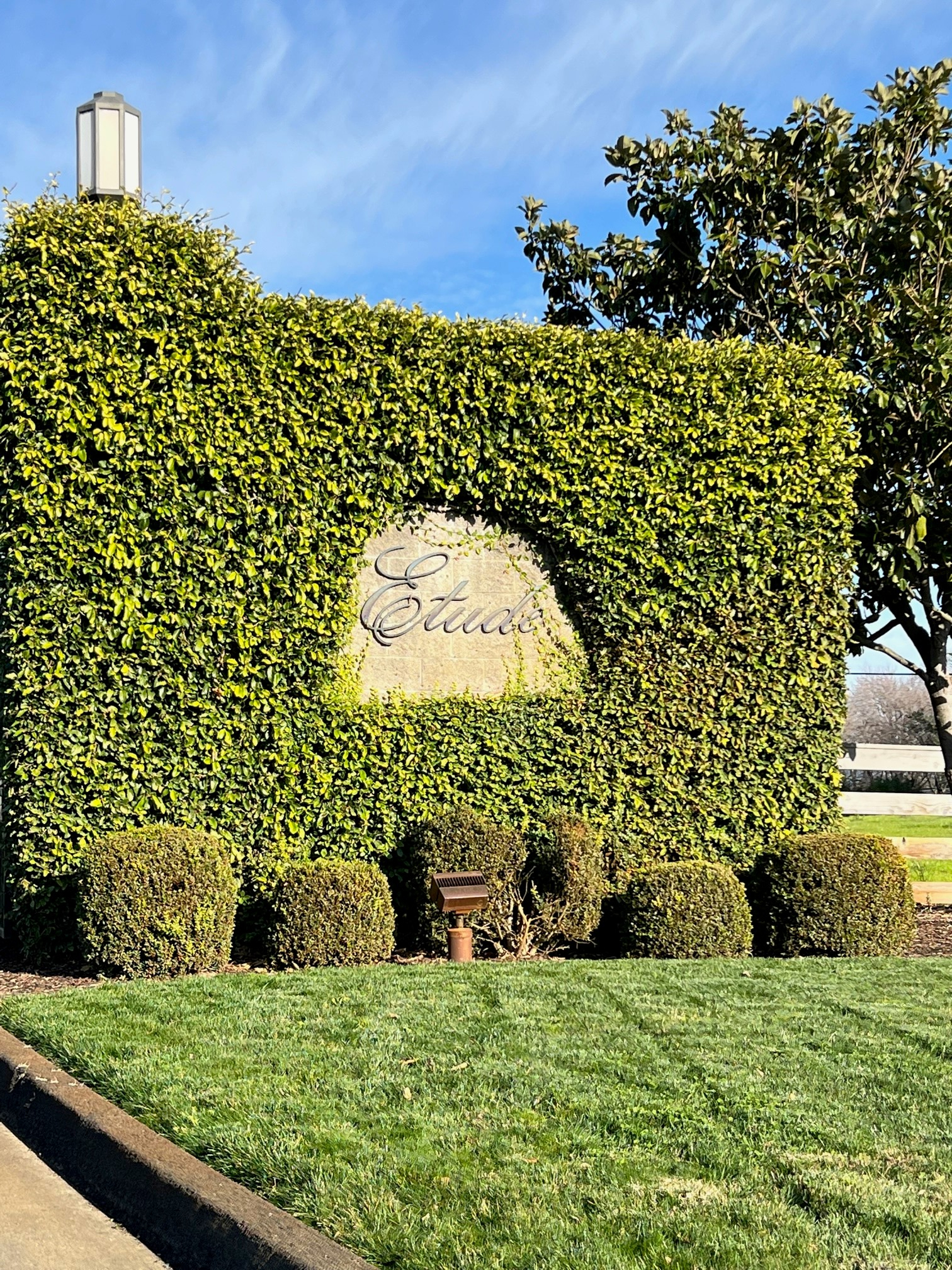
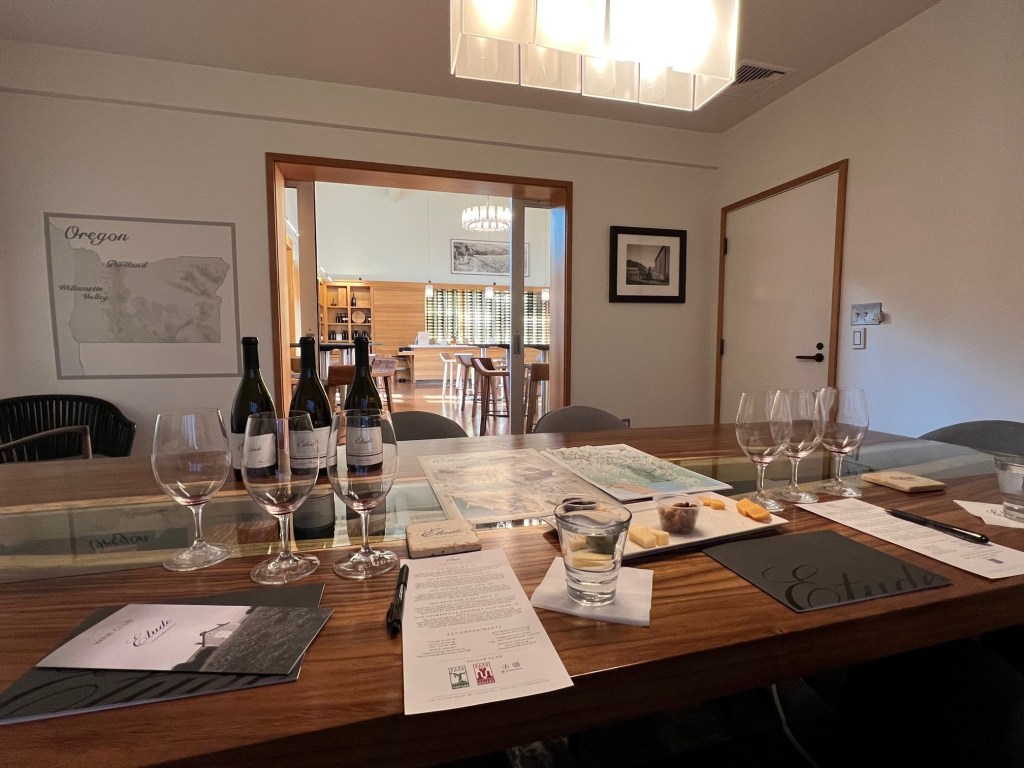
Etude is also focused on sustainability and is committed to a holistic winegrowing approach respecting the native ecosystems and to reduce their environmental impact. This shows through in their approach to wine making, tasting, and land management. Our tasting at Etude was extremely enjoyable and another opportunity to explore pinot noir, a grape we didn’t have as much appreciation for. If the first day is any representation of the days to come, we will grow to appreciate this grape much more. We were lucky to be able to taste in the Heirloom room. We had several pinot noirs from different years, clones, and microclimates on Grace Benoist Ranch and also some cabernets from different years to compare and contrast the flavors and wines over the years. The tasting was also accompanied by a cheese and meat selection that certainly complemented the tasting. The staff was friendly and knowledgeable. That is one thing that we have learned over the years — few people work in the wine industry without significant investment in wine and often loyalty to the winery they work for. It was enough for us to add Etude to our growing list of wine club memberships.

After the tasting we headed back to the resort stopping on the patio outside Farm for some truffle fries, a few glasses of water and a pepperoni flatbread as we watched the sun set over the vineyards. Full, and a bit tired, it was back to the room for a shower and off to bed early after a long day of travel, great food and tasting.

Day 2

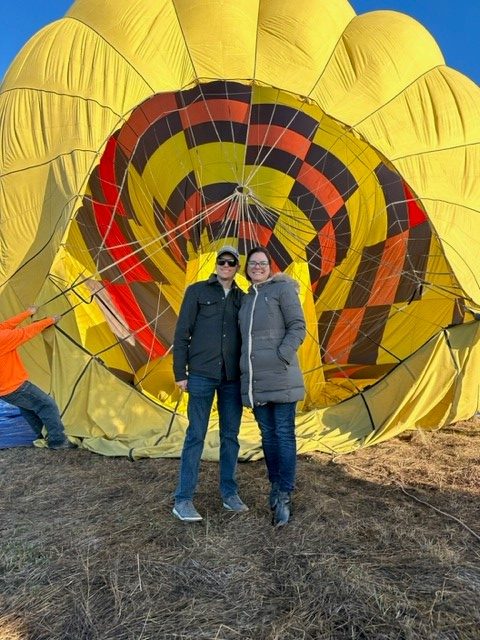
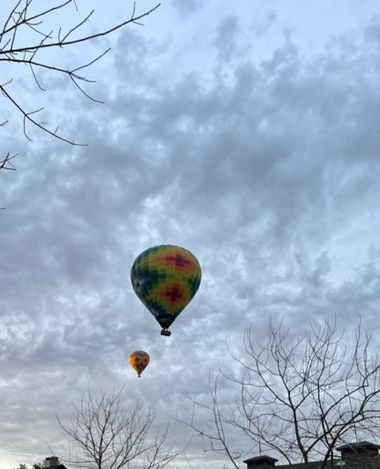
We awoke the next day bright and early for our hot air balloon ride over Napa Valley. We used Balloons Above the Valley and will write about the experience in another post. It was amazing and something on the wife’s bucket list so I am glad this time we didn’t get cancelled. Side note: This is the 4th time we have tried to hot air balloon (back home in PA, Colorado, twice in Napa) and the first time we were successful. It has thus forth been too hot, too cold, too windy, too calm but the 4th time was a charm and what a great experience it was. The Balloons Above the Valley company has a ton of experience, and our pilot Carl (Commander Hard Lander) was not only a great pilot but also so knowledgeable.
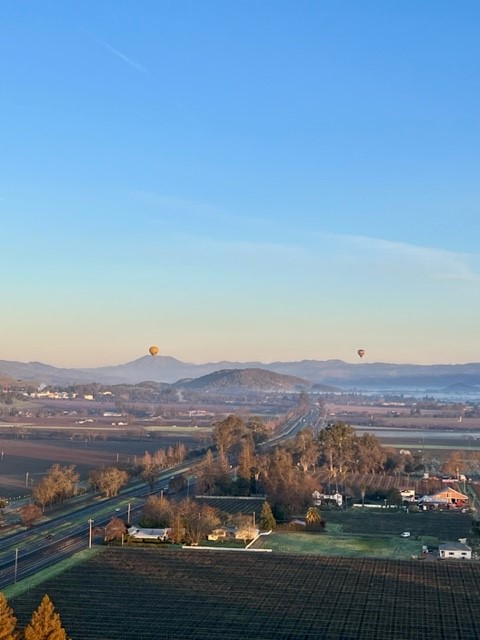
After the hot air balloon flight we headed up to Palmaz winery for an amazing experience and to learn about a different balloon procedure near and dear to the founder of Palmaz.

Palmaz

Who is this winery for? This would be anyone who loves great wine made in a thoughtful way.

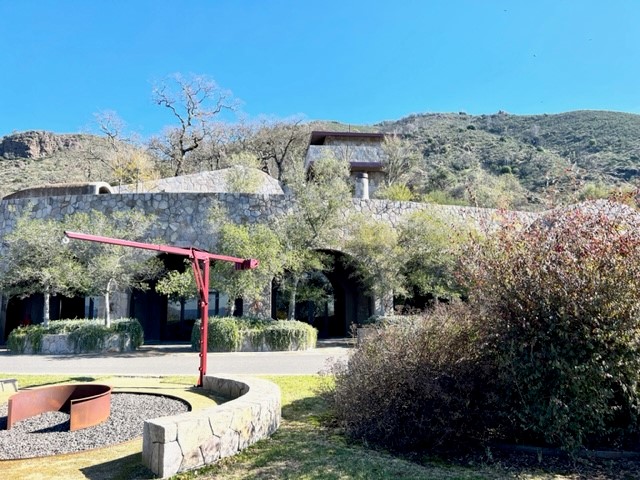
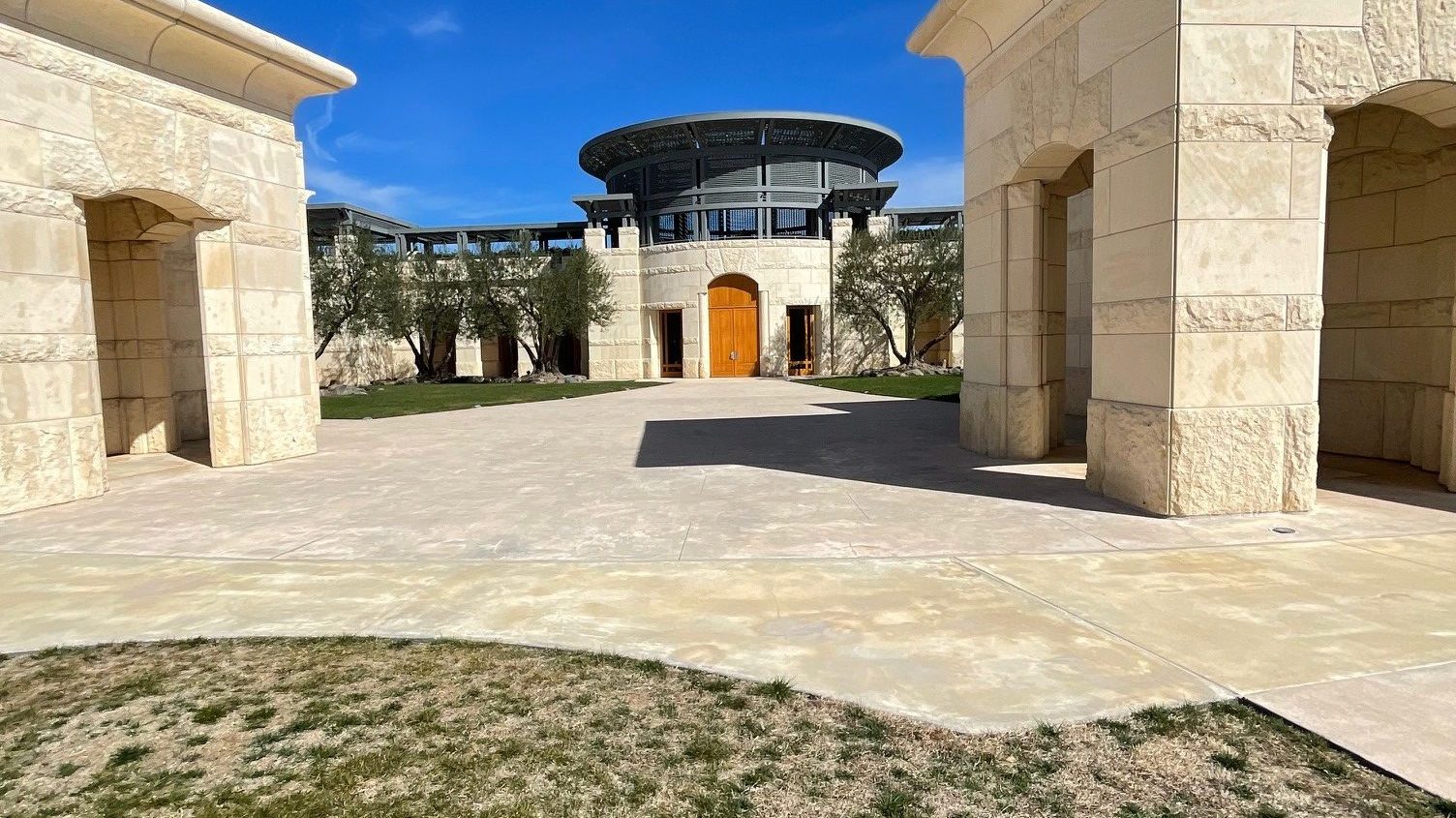
The Palmaz winery is unique and cutting-edge, but that’s no surprise when you learn how it was started. The winery was the vision of Julio Palmaz who was born in Buenos Aires, Argentina. His wife’s father passed away during an attempted quadruple bypass procedure when he was a medical student. Seeing how invasive this procedure was, Julio endeavored to find a “better” way to deal with vessel narrowing and obstruction in the arteries of the heart.  Julio invented the Palmaz Coronary Stent, the first balloon inflatable heart stent and as most people know, this went on to change the care of heart attack and angina patients across the globe.

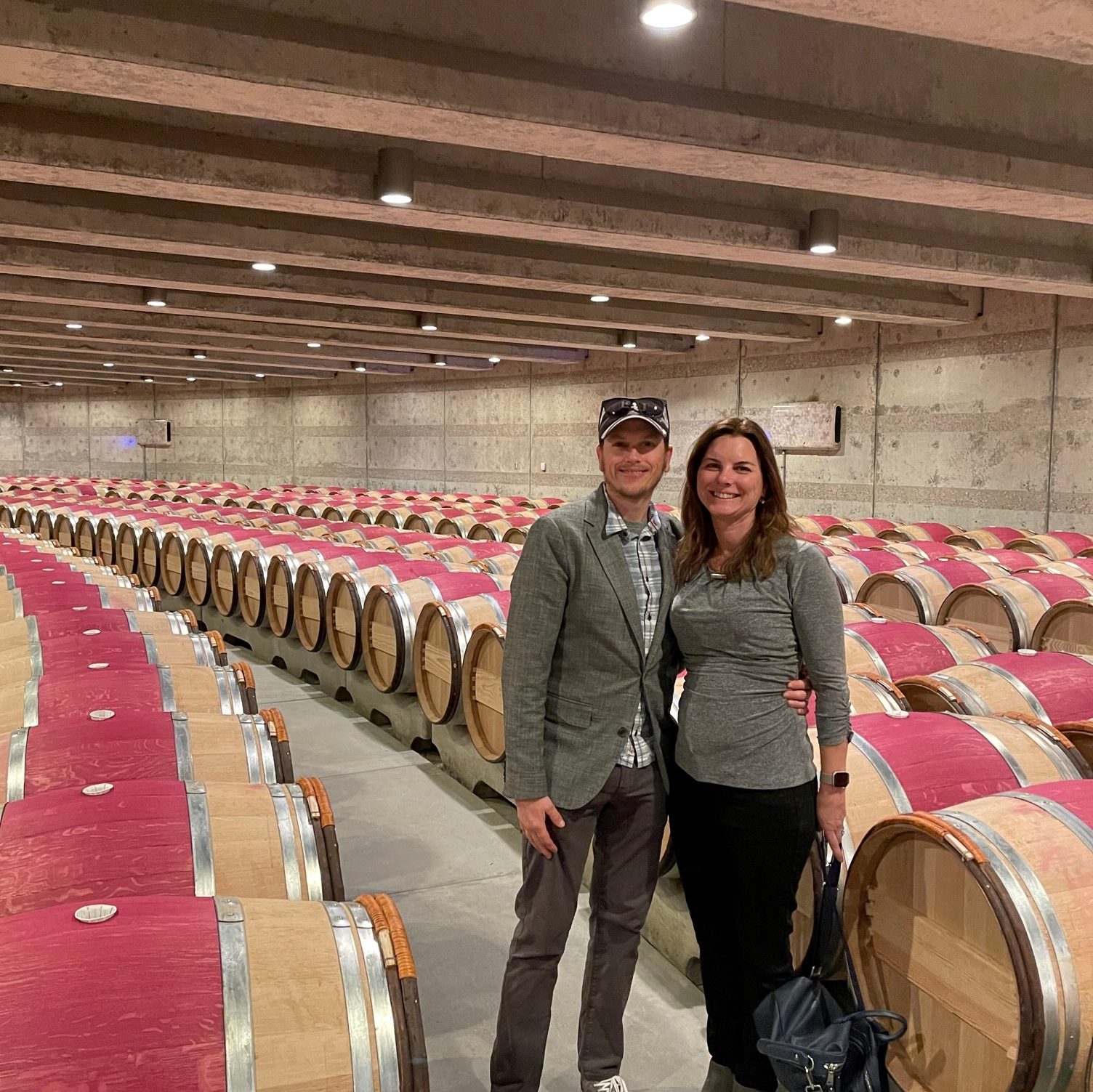
Julio completed his residency at UC Davis and this is where his, along with his wife’s love of wine began as they drove through Napa visiting wineries and dreaming of owning their own one day. As an innovator, Julio decided to embark on a cutting-edge winery but one that respected old world techniques. This resulted in an 18-story cavern in the flank of Mount George, providing it with plenty of gravity power to make the wine without pumps and the temperature control of a wine cave environment.

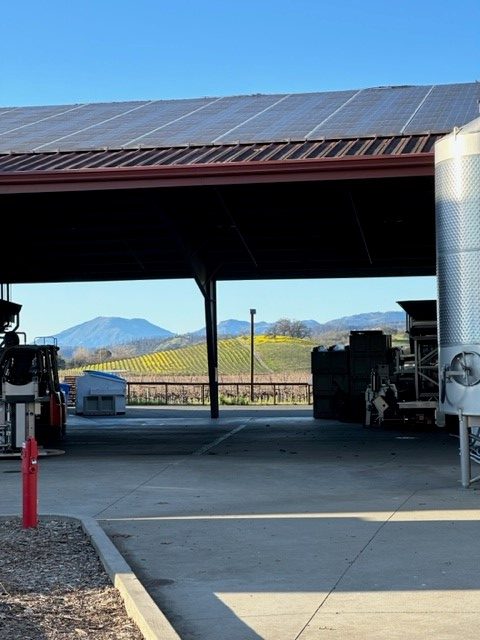
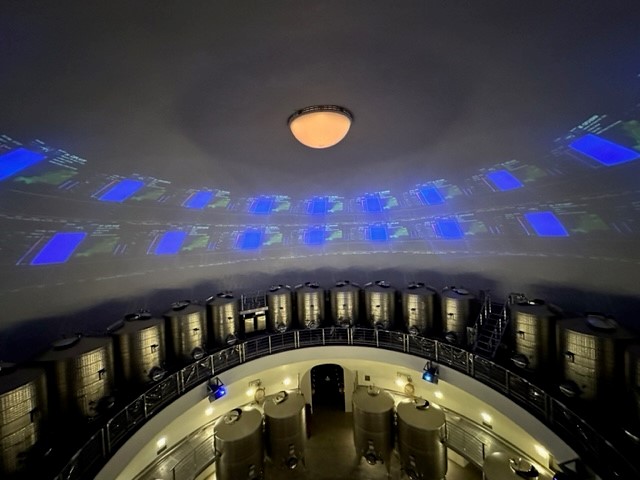
The control center, or heart of the winery, is a fermentation dome area with 24 fermentation tanks on a track and amongst the most sophisticated monitoring systems of any winery I have ever seen allowing such precise control of temperature, fermentation, and pump overs all displayed on the roof of the dome for the wine makers to see. You have to see it to believe it.

Harkening back to their Argentinian roots the Palmaz family, who almost all live on the vineyard property, also own a cattle ranch where they raise entirely grass-fed wagyu beef. As a Brasas Ranch member you will receive extraordinary 100% grass-fed prime wagyu from the historic Genesee Valley Ranch. Florencia Palmaz and a team of master butchers work together to portion their extraordinary beef using inspiration from the great American steakhouses, Latin American asados, European fine dining, and traditional Japanese cuisine.

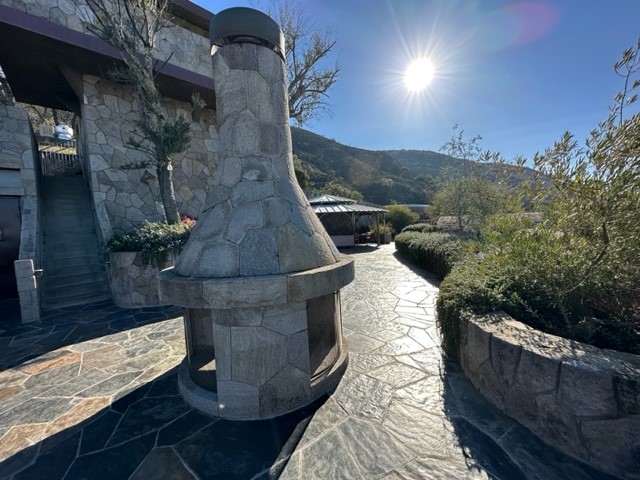
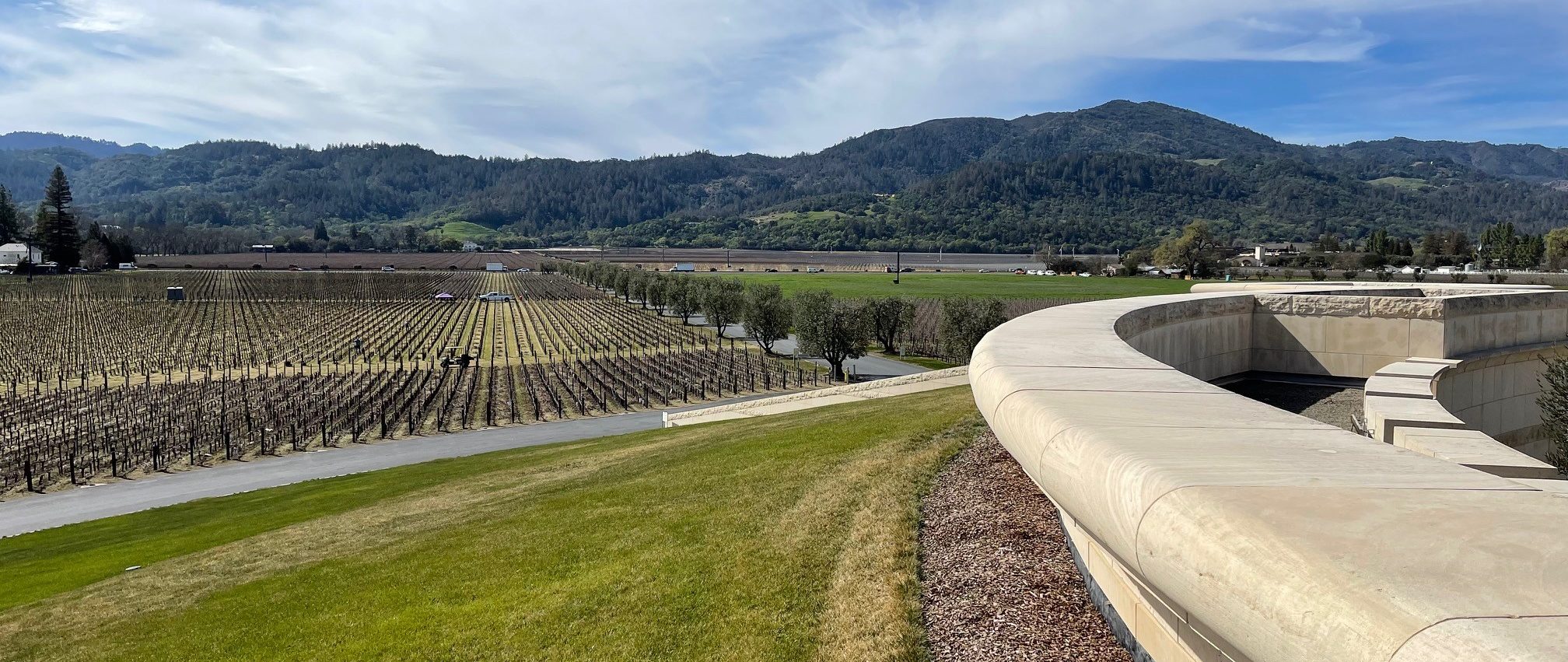
All I can say is this is a must do for anyone in the Napa area. About 10 minutes outside of Napa the views are amazing but the way the winery is built into the mountain and how all the stone removed for the cave was used to create the terraces and balconies and external structure is truly inspiring. The Palmaz family has spent an enormous amount of time and money creating what can only be described as a family affair. Almost every major executive position is led by a member of the family including the software coding for the wine control in the dome.
The tasting experience was so custom as we walked around the many levels of the winery, from the top level with an excellent Riesling to the balcony above the dome where all the crushing occurs, to the wine caves. I was in awe. They also collect all the water used, recycle it, and store it in a 3 city block long tank for use in watering the crops. They are a net zero water winery which is still hard to believe. They are the only one in the world to my knowledge. The most amazing part is that despite all the innovation, the winemaking is still done in a traditional, respectful, and thoughtful fashion.

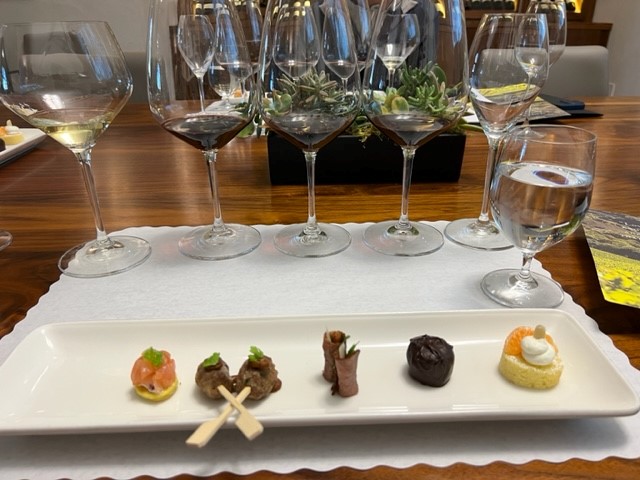
After our tour we went into a private room for some wine tasting paired with some of the most amazing small bites. All tastings are private and ours was led by a very knowledgeable staff member. The vineyard is also unique as the property is on the side of a mountain where some blocks are on the valley floor and others at 1400 feet of elevation. Each block is treated uniquely, and the wine from the mountaintop certainly has a different flavor profile from that on the valley floor. I’ll admit, as good as the wine was, we decided to get the beef package as it was such a unique opportunity. As our tasting wrapped up, we grabbed an Uber back to the hotel to get ready for our next adventure, The French Laundry.
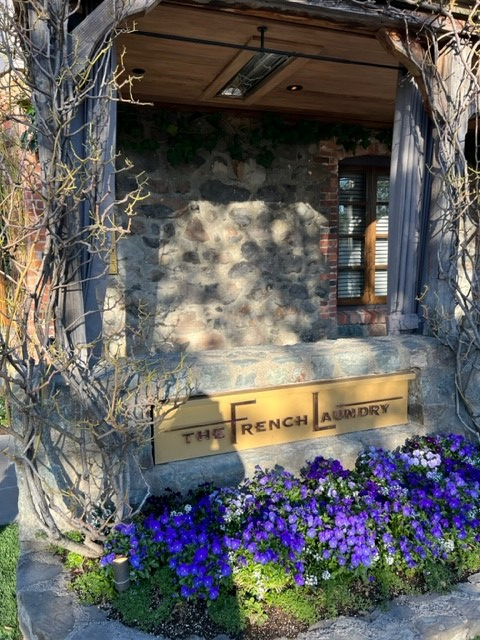
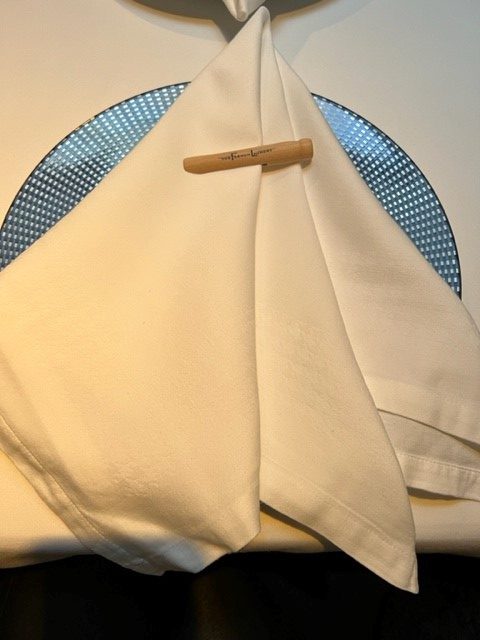
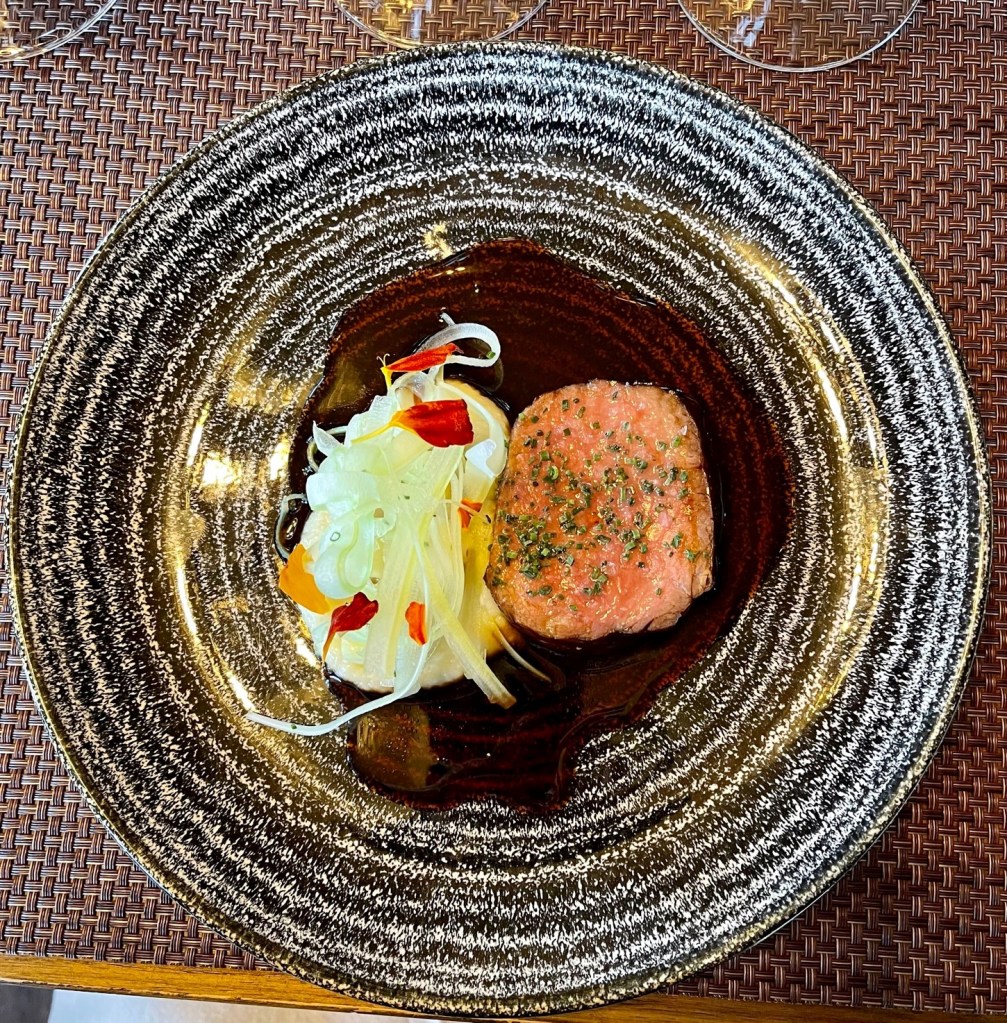
We were lucky enough to get off the wait list for this culinary experience. I will write more about this in our “Non-vineyard things to do in Napa Valley” post, but let’s just say if you love food and can afford to do it, the experience is well worth it. Do, however, come with a big appetite as it’s a 12-course tasting menu and many portions are not that small.

Full from dinner and tired from another long day we hit the hay early to rest up for another day of exploring the Carneros region.

Day 3

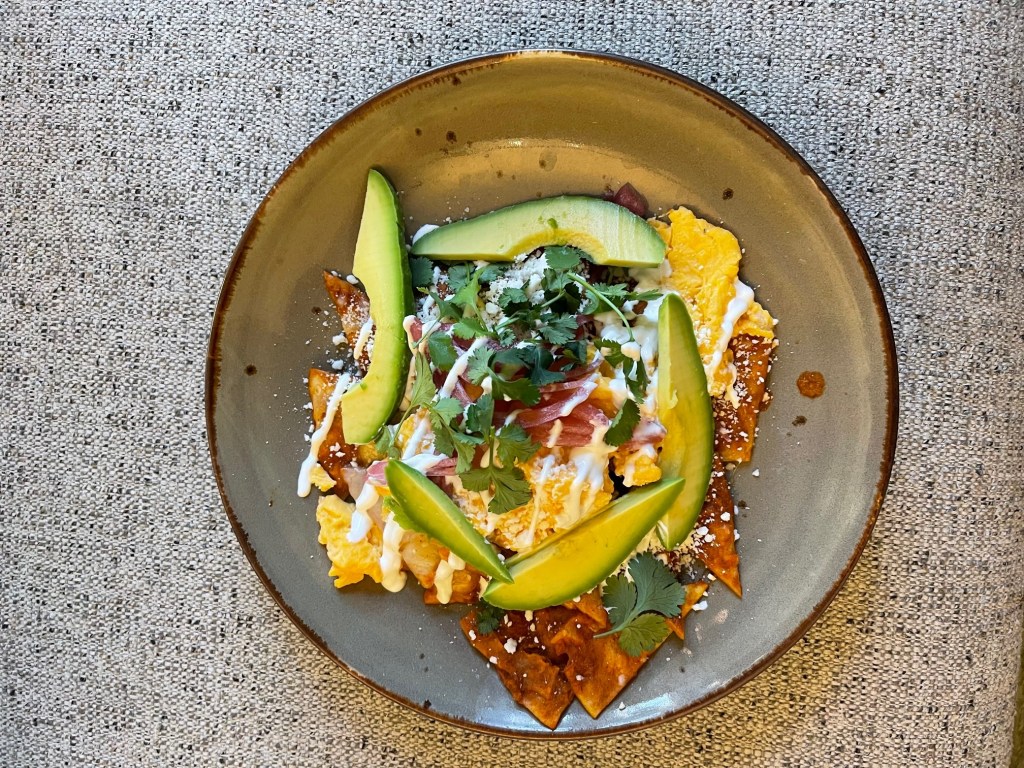
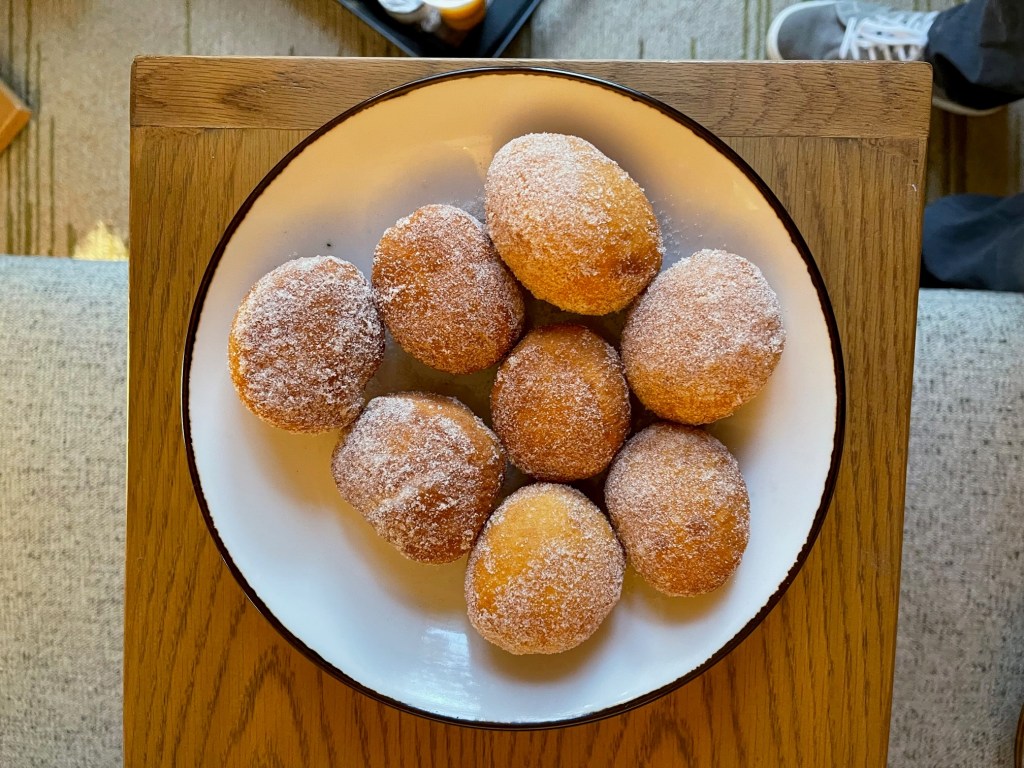
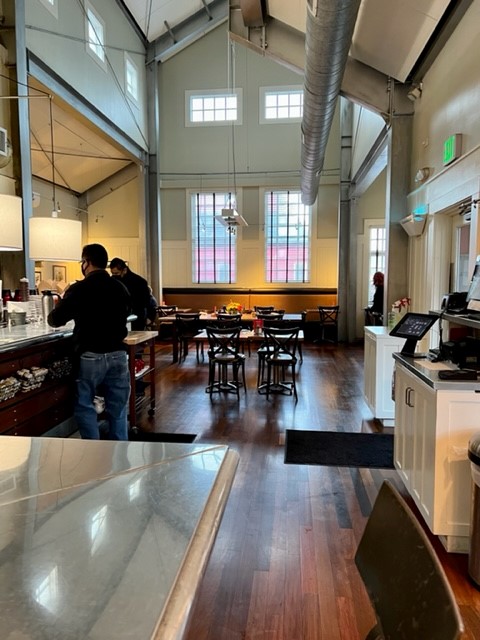
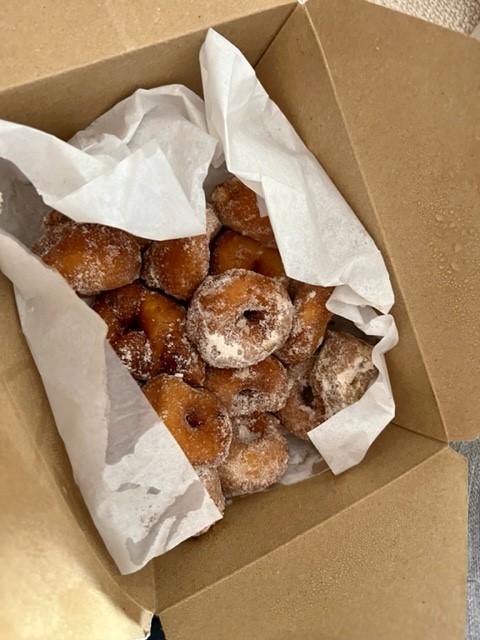
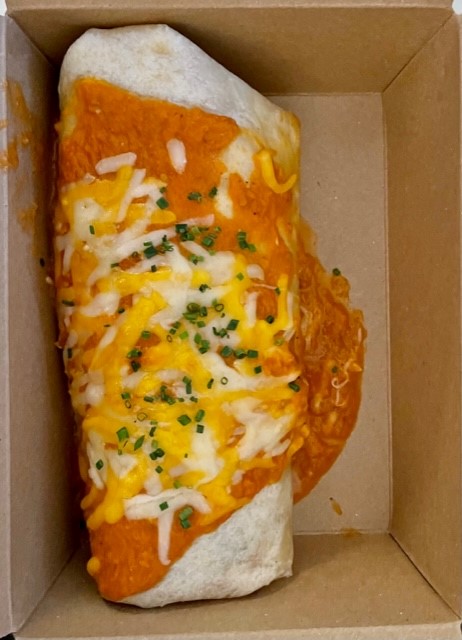
We awoke bright and early to watch the sunrise over the mountains and after a cup of tea in the room headed to the Boon Fly Café for some breakfast. I had a breakfast burrito the size of your head and the wife had some eggs, bacon, and toast — and of course the donuts. This is a great spot for breakfast or lunch if you are in the area even if not staying at Carneros Resort.

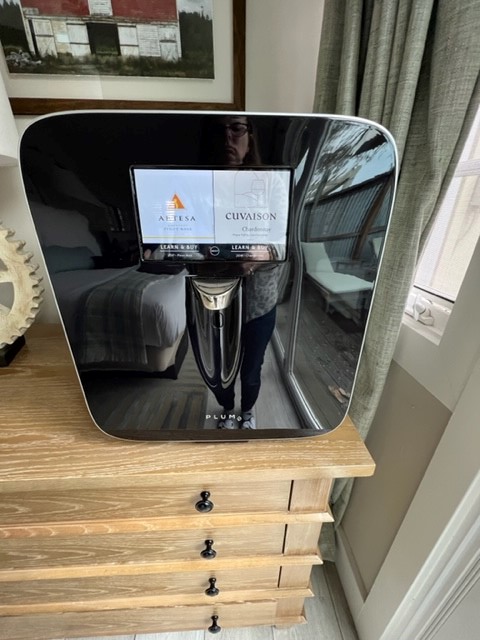
It was then off to our first tasting of the day right down the road at Cuvaison.

Cuvaison

Who is this winery for? This would be for those who love pinot and chardonnay as well as those who value an interactive and pleasant hosting experience.

Cuvaison is one of the pioneering wineries that helped shape the modern era of Napa Valley winemaking. Founded in 1969 it was purchased by the Schmidheiny family of Switzerland in 1979. The story goes that the grandmother took some soil back from what is now a 400 acre plot of land in Carneros to get tested. She was on a bus trip and made them stop to collect soil in her handkerchief. Upon arriving in Switzerland the soil was shown to be excellent for growing grapes and what is now an amazing estate was born. They are now a fourth-generation wine family still operating as an independent, family-owned winery.

The growing region of Carneros is perfect for growing chardonnay and pinot noir and this is what they grow almost exclusively on the property. In 2012, Cuvaison was honored by Wine & Spirits as one of the “Top 100 Wineries on the World” and has had a top 100 wine in the world as well.
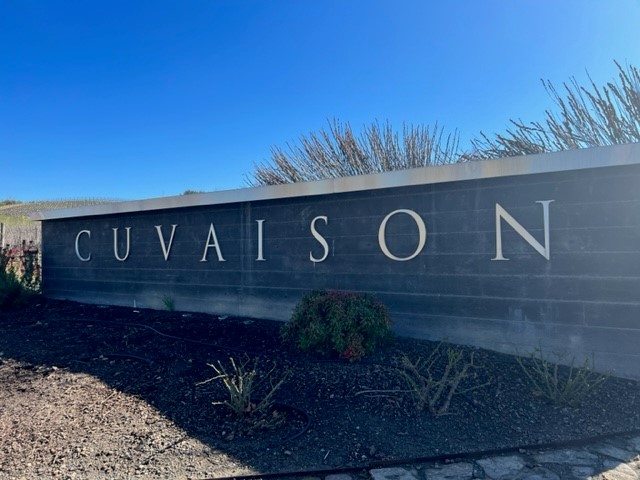
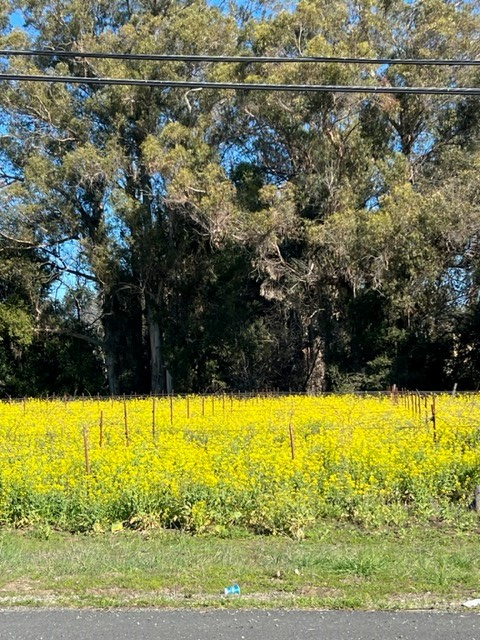
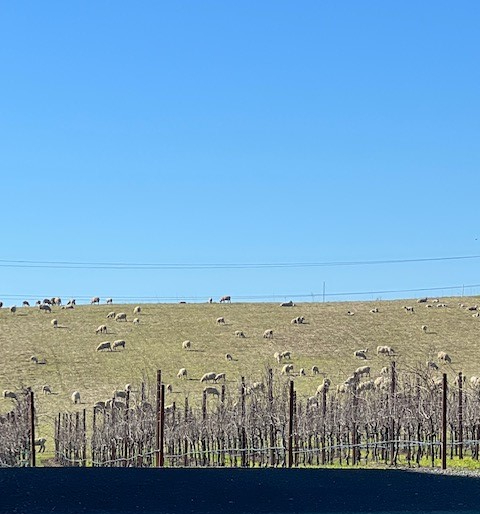
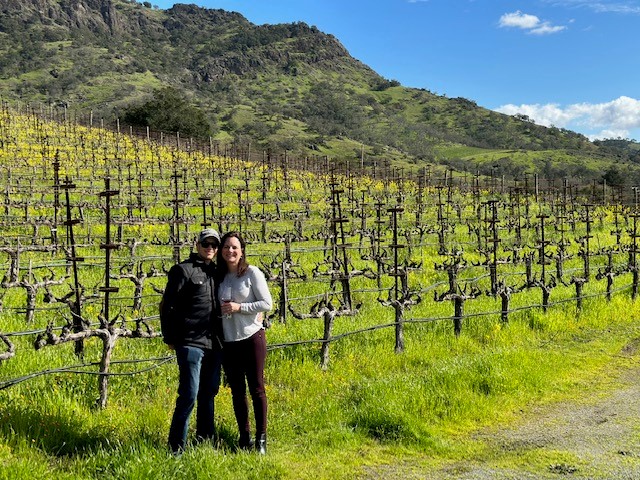
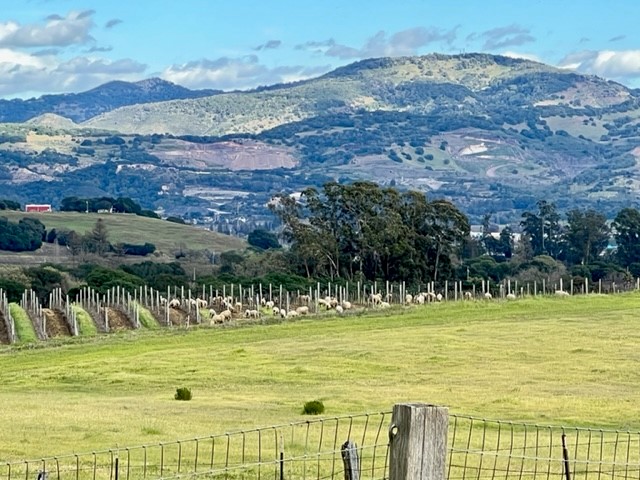
Our tasting experience here was perfect. The mustard was growing, and the sheep were eating. The views are amazing, but the staff set this apart. Let me take a moment to reveal what I think is the greatest asset a winery can have. That is an amazing, dedicated and knowledgeable tasting staff. This will come up again later in the day. Great wine is important to any tasting experience but who is leading you on the journey affects your experience more than the wine itself. Good wine with great people is amazing, but great wine with boring or snobby people isn’t great at all. Cuvaison has great wine and great people making it another must do for the wine drinker.

I know it will be a good tasting when the host starts by finding out about us and asking what we drink, why we are here, assessing our likes and planning the tasting. It also shows they want to educate you but don’t want to talk too basic or even worse over your head. Wine can be approachable for everyone but not all wineries get that, and some don’t want you too. We aren’t big pinot or chardonnay drinkers, but these wines are amazing and done very well. The staff who weren’t our hosts were also friendly and shared stories of their experience with the wines and also wine in general. It added what we needed to add another wine club to our lives. That’s number 2 on this trip and it’s only day 3.

After a wonderful tasting we headed out to Artesa to continue our journey around Carneros.

Artesa

Who is this winery for? This would be for those who are there for the views over the wine and those who appreciate mediocre Spanish style wine.

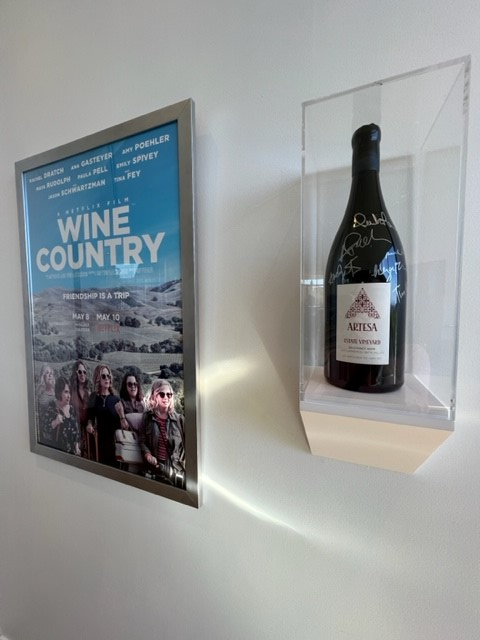
Artesa was founded over 25 years ago by one of Spain’s oldest winemaking families, Raventós Codorníu, with roots dating back to 1551. The initial mission was to make great sparkling wines but as it became more well known for still wines, the name was changed from Codorníu Napa to Artesa in 1998. The Artesa Estate Vineyard is set in the steep foothills that straddle the Los Carneros and Mount Veeder AVAs. The 150-acre vineyard is planted along five distinct ridges, with a variety of slopes and soils. Most of the vineyard is dedicated to pinot noir but they also have a fair bit planted to chardonnay. The Artesa Estate Vineyard is farmed sustainably and is truly beautiful.
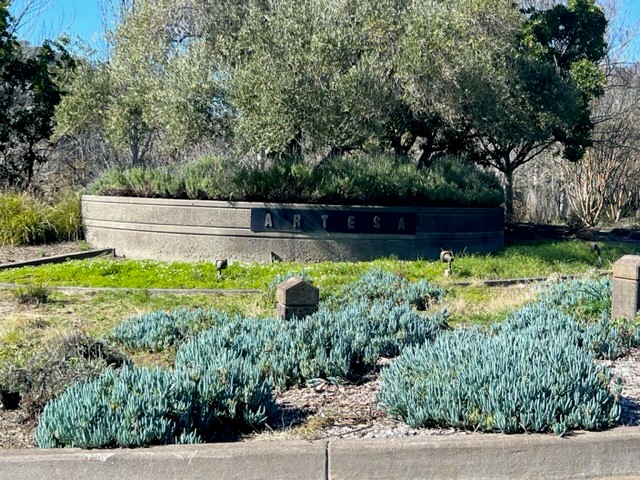
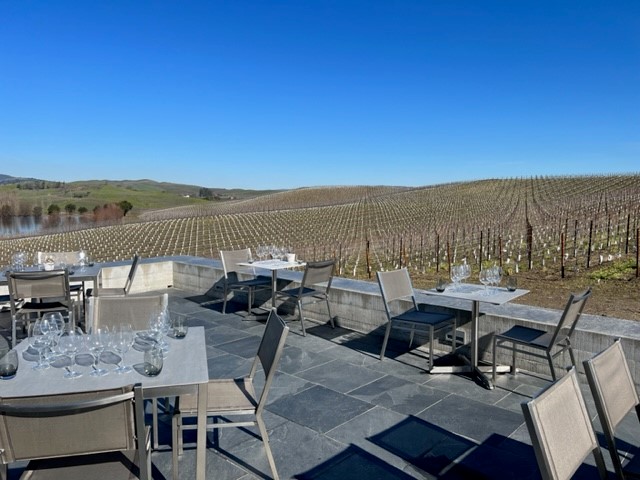
We arrived a little early and were left standing for 10 minutes while the staff was preparing for what we learned was a private event later in the day. After finally being seated on the patio. we began to take in some views as we sipped on some sparkling. We started with one host while our actual host grabbed some lunch. The tasting was the absolute opposite of Cuvaison. Here we were underwhelmed by the wine and the service. It is ok but not up to the standard one would expect for the price or for Napa in general. The service in comparison to all the wineries I have visited was awful. We went long periods of time without wine (and water) and got very little education on the wines besides a short, canned speech about the family. As the tasting plodded along our original host came back and spent a little more time with us. I was hoping this would be a welcome change, as he promised to tailor our tasting a bit and give us some info on the wines. He, however, not only didn’t tailor the taste but skipped a pinot and brought a cab franc instead of the cabernet sauvignon. Not feeling the love and not liking the wine caused us to pay and leave to head home. This is the first winery in the 20 we have visited over the past 2 years that we didn’t at least leave with a bottle. Perhaps we just had a bad experience on a bad day, but I don’t think so. We mentioned it to many folks along the trip and no one acted surprised. I think this winery is riding their roots, the beauty of the area and making inferior wine compared to the surrounding wineries. They clearly prioritize private lucrative parties over the everyday wine drinker. That is their privilege but I cannot in good conscience recommend spending money at this winery when so many better places exist.

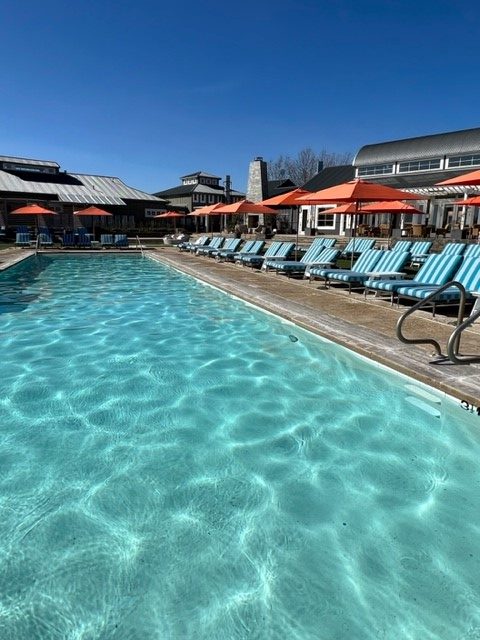
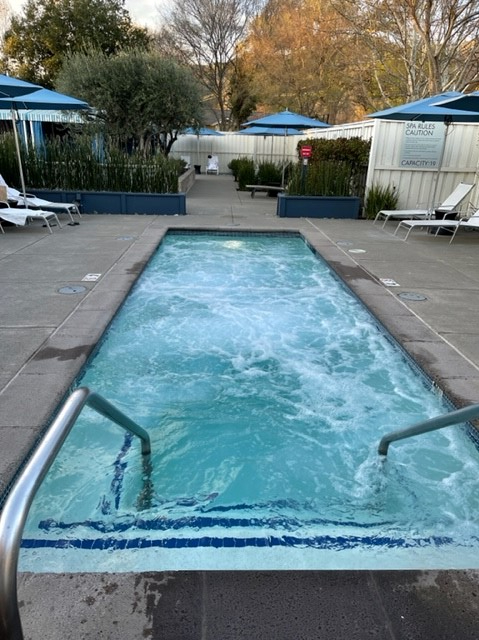
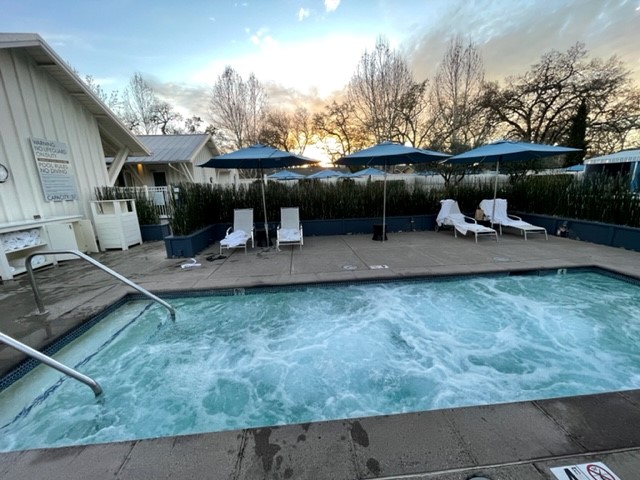
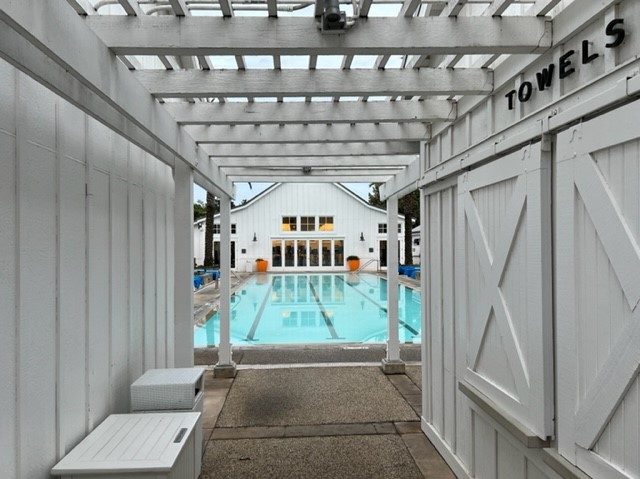
After Artesa we headed back to the resort where we spent some time at the pool enjoying the beautiful views as the sun set. After the sunset we headed to the patio to grab some potatoes tostones and short rib croquettes before heading back to the room for some much needed shut eye.

We awoke to another beautiful sunrise and grabbed our usual at the Boon Fly Café before heading out to our first tasting at one of our favorites, Clos Du Val.

Clos Du Val

Who is this winery for? This winery will be enjoyed by those who appreciate cabernet and want more about the history of wine in the Napa Valley region.

Clos du Val was started in the early 1970’s as a collaboration between John and Henrietta Goelet, along with winemaker Bernard Portet. Bernard was asked to find the Goelets the best place to grow Cabernet Sauvignon in the world. He settled on an area in the heart of the Stag’s Leap district which was a bold choice for the French family at the time as this was prior to the Paris Judgment. Clos du Val has seen three generations of Goelet family ownership and is now held by John and Henrietta’s six grandchildren. Clos du Val currently farms over 225 acres of estate vineyards located in the Stag’s Leap District and Yountville AVAs within the Napa Valley. Clos du Val is also the winery that won the second Paris Judgment in 1986. Portet was made a genius by history and great choices putting the winery and many in the Stag’s Leap area firmly at the center of the wine universe.
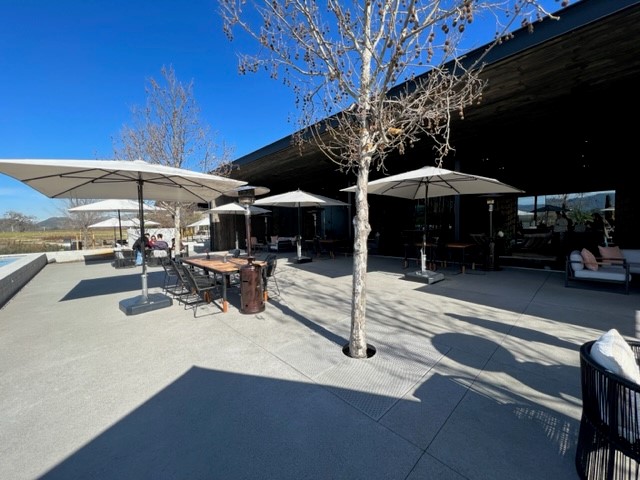
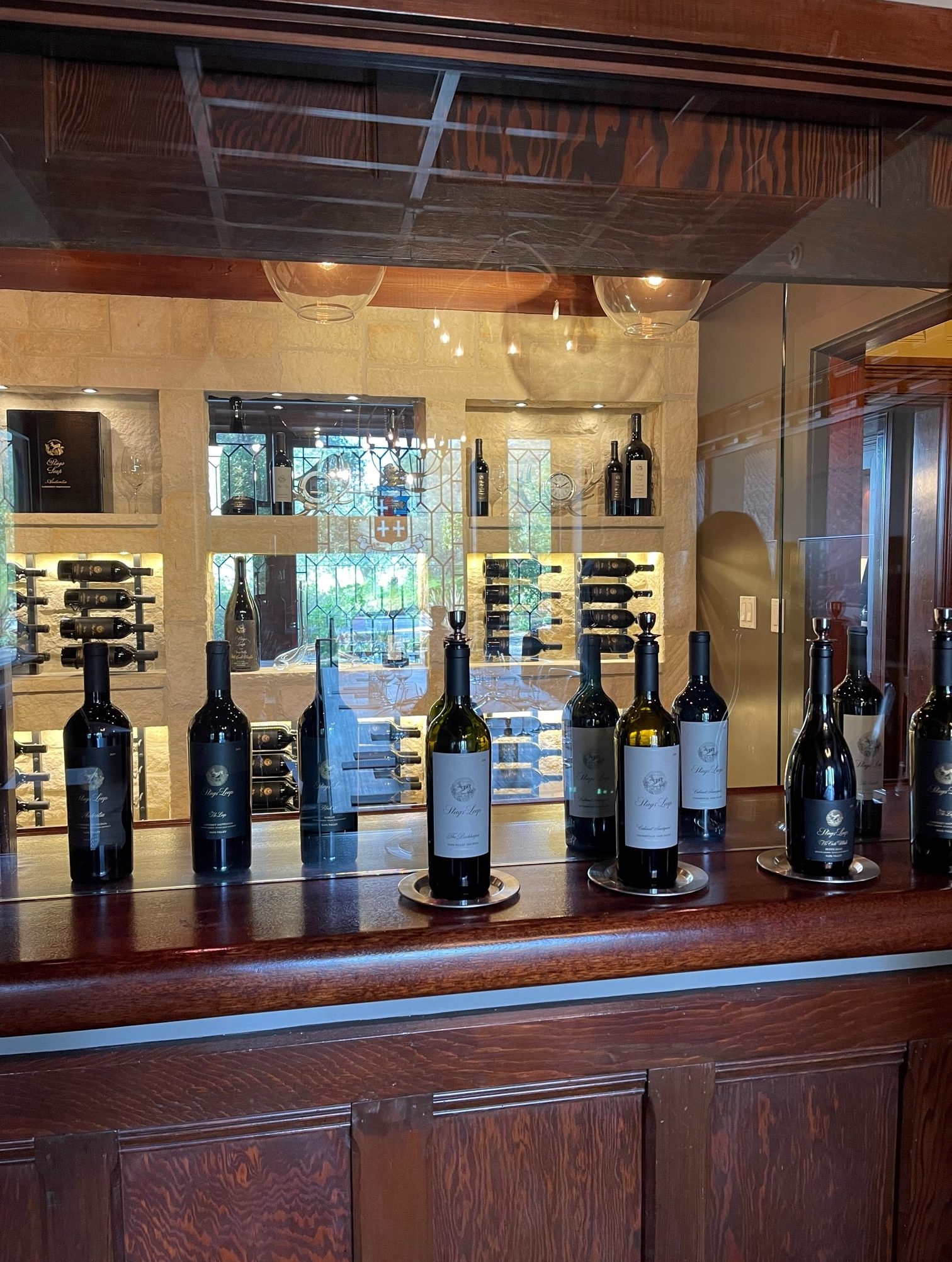
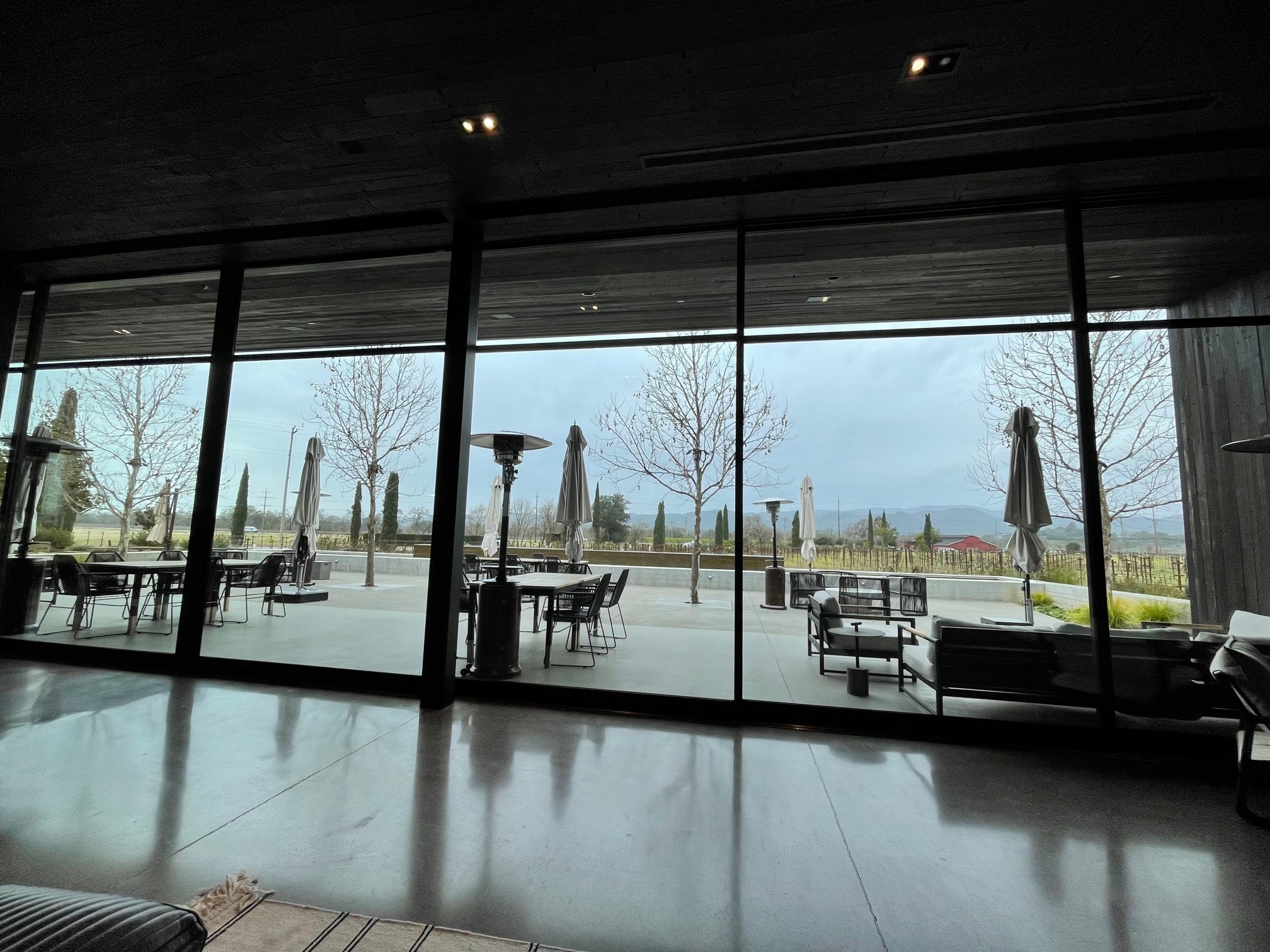
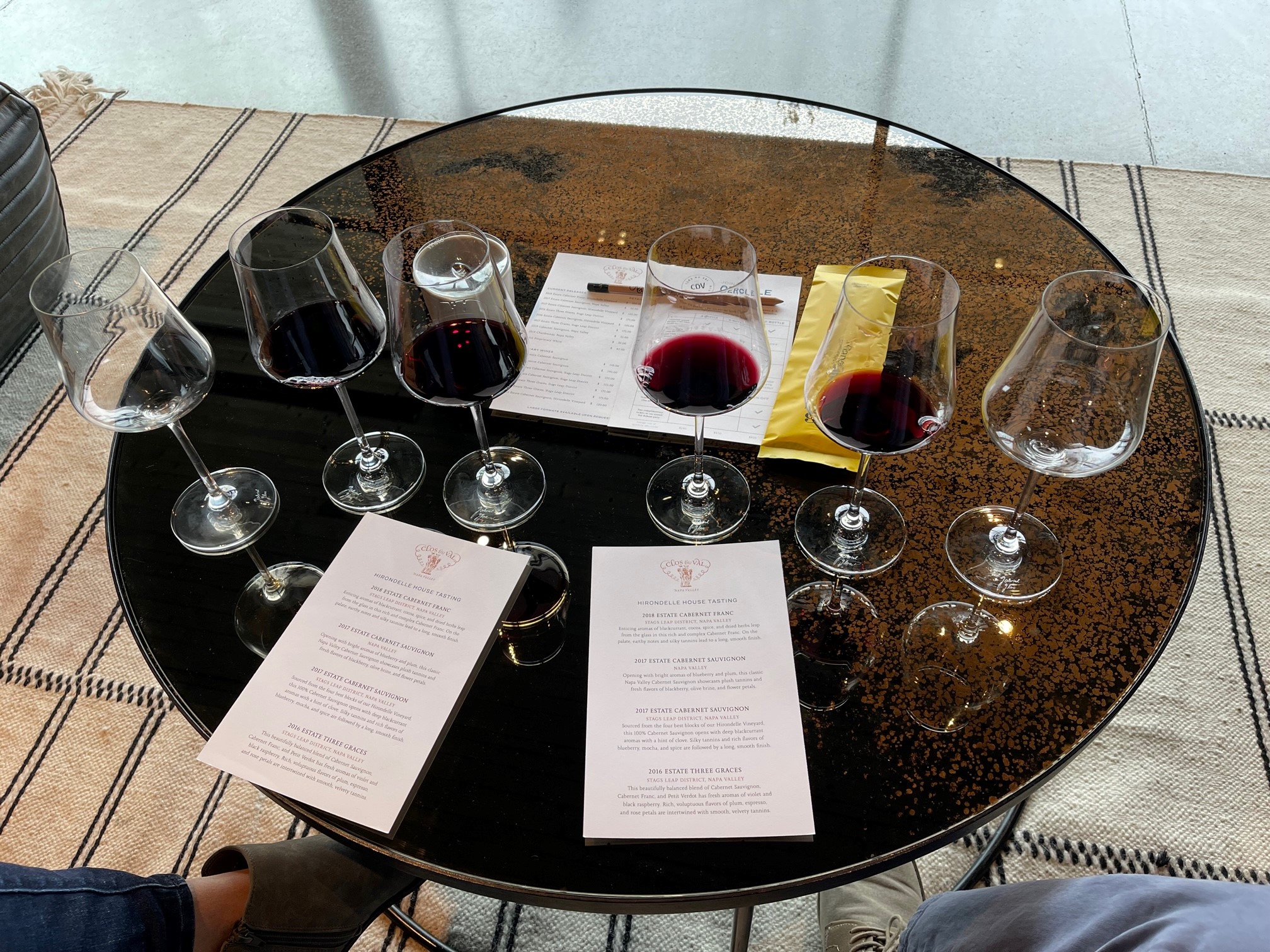
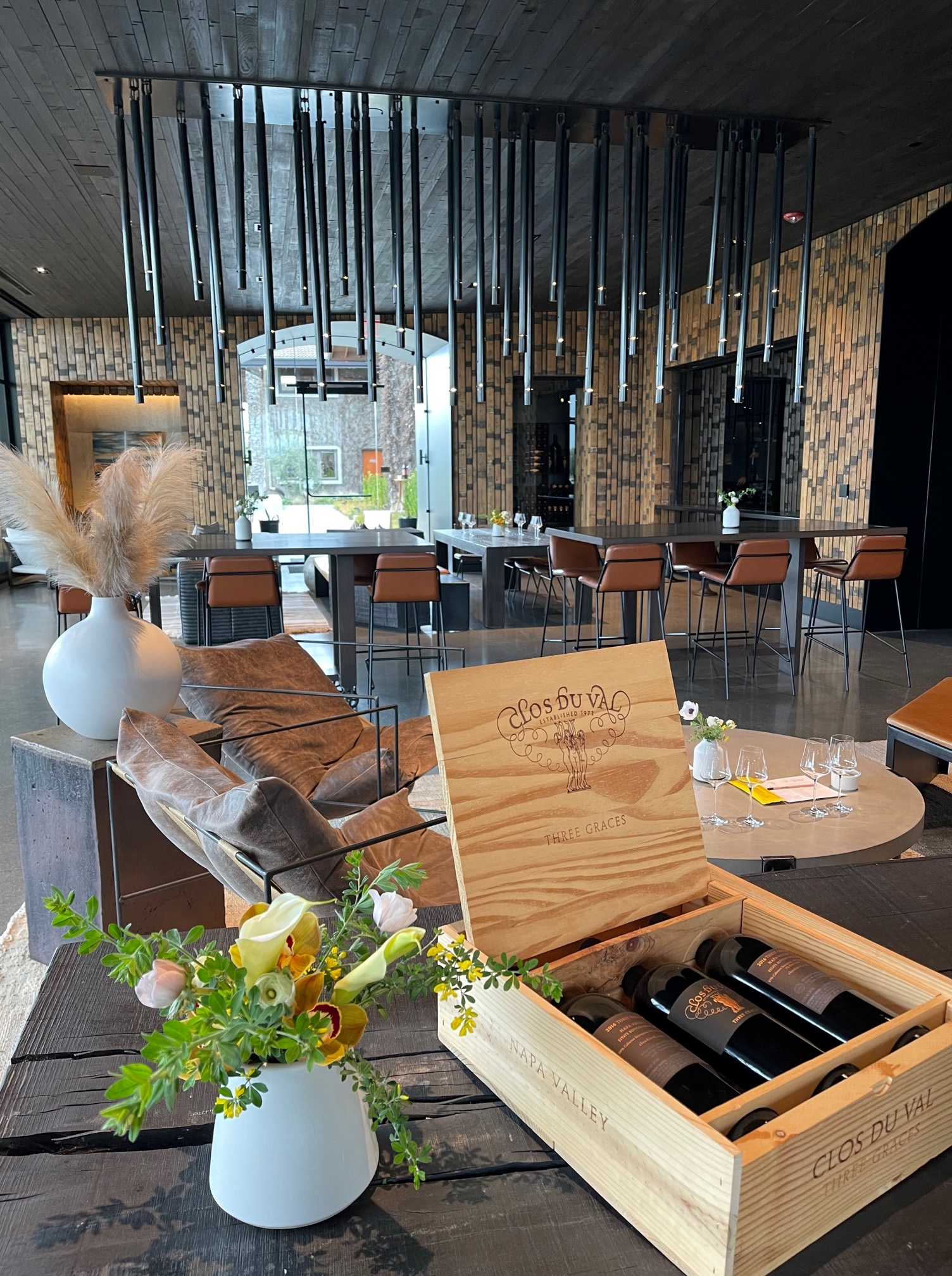
Our return trip to this winery was greeted by a familiar sparkling (the 50th anniversary) which we, as part of the wine club, had drank to ring in the new year. Our host Nikko noted that as club members we likely had drank everything in the new release and so he created a customized tasting allowing us to compare and contrast some library wines as well as older vintages to see how the wines change over a 5 year period. We also had a taste of the 1983 Cabernet Sauvignon which was excellent. Nikko sat and discussed his journey in wine, our likes and dislikes and learned about our interests in wine. This made for a personal and intimate experience that was also very educational for people interested in being part of the wine industry someday. We love Clos Du Val wine and would recommend this for anyone interested in great wine without any pretense or haughtiness. This is a wine experience for the beginner and seasoned wine drinker.

After our wine tasting concluded we drove back to check in at our B&B, Lavender, and grab a quick bite in town. Wanting something quick and not being overly hungry we stopped at the market for a slice of pizza. We love the quaint and approachable feel of Yountville and feel it’s a perfect place to stage a wine visit if one is only staying one place. Home to great food, great lodging and small enough to walk the whole thing in 15 minutes, it’s perfect.

We then hopped in our Uber for the ride up to Shafer Vineyards on a beautiful sunny day.

Shafer

Who is this winery for? This winery will be enjoyed by those who appreciate high end Cabernet and want to experience what few do in life — a private tasting in a historic wine region surrounded by absolute beauty.

Shafer is on land that has been the site of grape growing and winemaking since 1880. John Shafer purchased the site in 1972 and spent the first 3-4 years planting the estate to Cabernet Sauvignon before transitioning in 1978 to full-scale winemaking the year of the winery’s first Cabernet Sauvignon. In 1984, Elias Fernandez joined the winery, initially as assistant winemaker and eventually becoming the head winemaker in 1994. In 2002, Elias was named Food & Wine’s “Winemaker of the Year” and in 2003 was fêted at the White House as a leader in the Latino community. Elias Fernandez is on his 40th harvest at the property and this time and dedication shows through in the wines he makes. Shafer Vineyards is known as one of Napa Valley’s most celebrated historic wineries, year after year producing wines that create delicious, memorable moments wherever they are poured around the world.

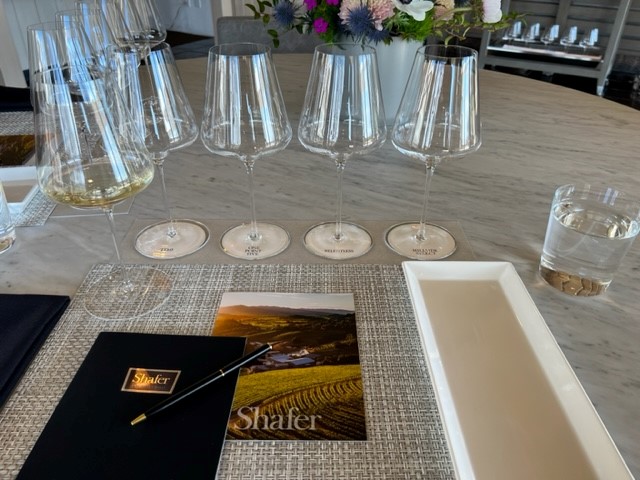
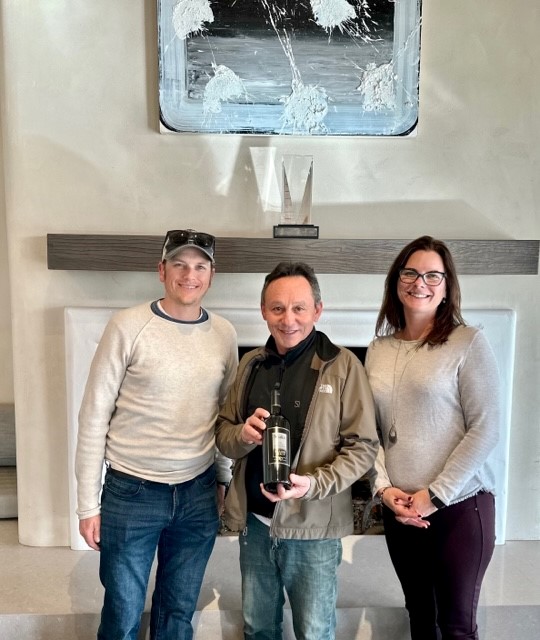
Our visit to Shafer started with some amazing views and a walk around the vineyard while holding a wonderfully balanced Chardonnay. The property is beyond explanation as without any extra effort as the estate pulls you in. Its location above the valley with two different valley views makes you feel like you are in paradise. After taking in the views and some sunshine we headed inside to taste some reds. We started with the T9 named after the tractor John Shafer rebuilt to plant the original fields. It was very good but just a prelude for what was to follow. We sat and munched on some sides and compared the wines while Ilse, our amazing host, explained the history of what we were drinking and shared her own path in life that brought her to wine and finally to the Shafer Vineyard. Ethan, another host from our area, came out and spent time speaking with us about his journey as well. Finally. near the end of the tasting, we got to meet Elias who talked with us for a few minutes about his journey and took a photo with us. We left with a bottle of the T9, Relentless, and a bottle of the Hillside Select.

After finishing our tasting at Shafer we headed down the hill to Stag’s Leap Wine Cellars.

Stag’s Leap Wine Cellars

Who is this winery for? This winery will be enjoyed by those who want to visit the winery that changed the wine scene forever with the Judgment of Paris win in 1976 and experience some amazing wine but don’t mind the commercialization and smooth sales job the hosts employ.

Stag’s Leap Wine Cellars is most notably known for being the winery that won the Cabernet Sauvignon competition in the famous 1976 Judgment of Paris. It was founded in 1970 by Nathan Fay, with the first planting of Cabernet Sauvignon in what later became the Stag’s Leap District. The property now owns two vineyards next to each other (the Fay Vineyard and The Stag’s Leap Vineyard) They have two completely different soil types that impact the taste of the cabernet. The Fay Vineyard has eluvial soil that traps and holds water leading to more smooth notes and the SLV has a volcanic rock-based soil that allows better drainage and stresses the grapes more creating bigger bolder notes in the final wine. The winery now makes a blend of the best barrels from the SLV and Fay vineyards to create Cask 23 their premium vintage along the lines of Opus One, Hirondelle Vineyard from Clos Du Val and Hillside Select from Shafer.

Our tasting at Stag’s Leap Wine Cellar was interesting from the aspect of history and the wine was very good. It was, however, the most commercial and rushed tasting so far this trip. The wine host was nice and imparted some knowledge about the wine and the history of the vineyard, but he had several other tables, and the tasting was cookie cutter, unlike many other high-end wineries we have visited. This may be what it’s like many places during harvest time, but this is why we go out in February. This winery is worth a visit but be prepared to be herded through like cattle and treated as though you are lucky to be there. Sure, they won the first Paris decision, but Clos Du Val won the second, and the customer experience at the two spots that are located a mere mile away from each other, couldn’t have been different. We bought a bottle of the Fay and 60 minutes after it started were on our way out the door.

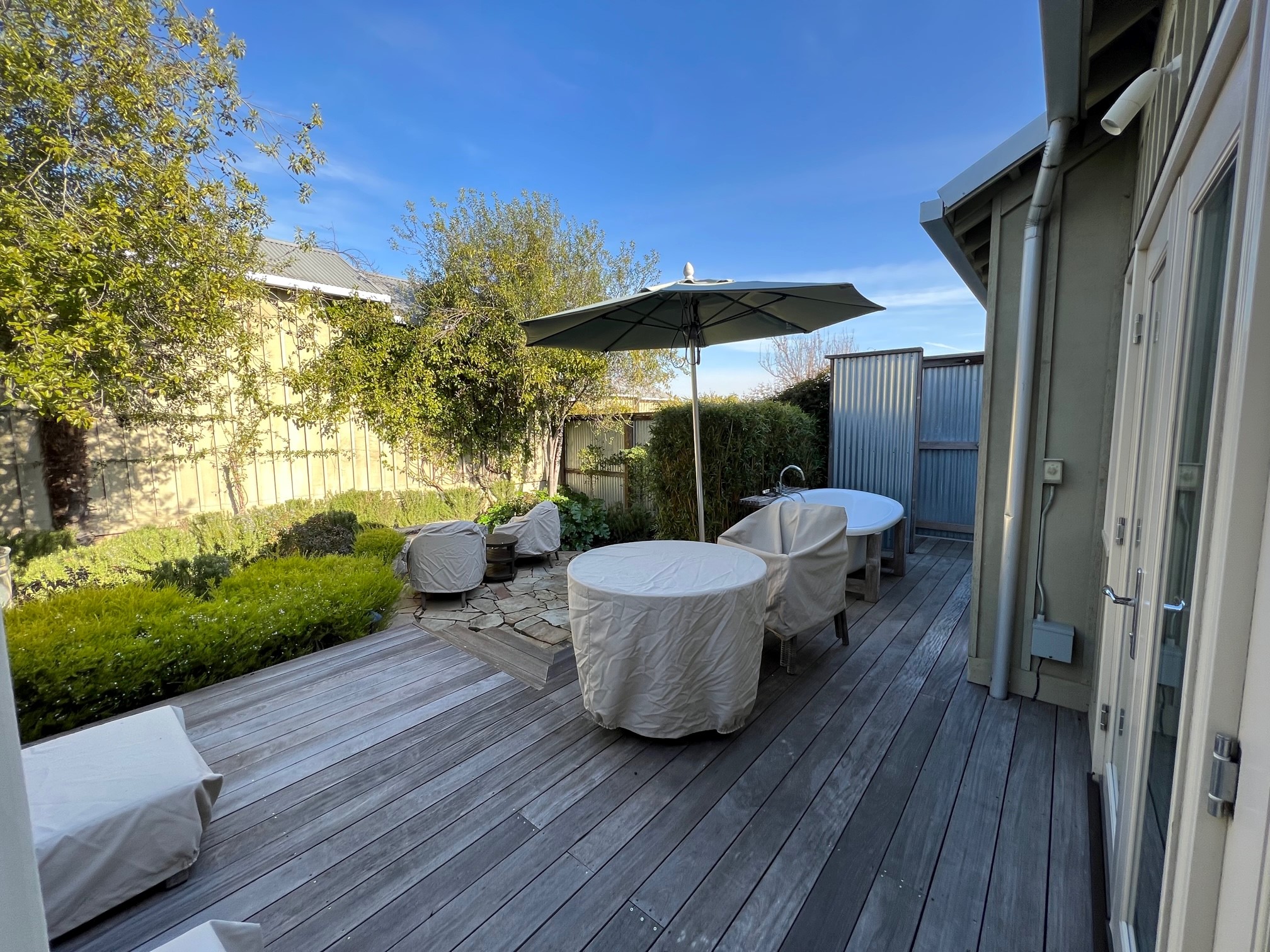
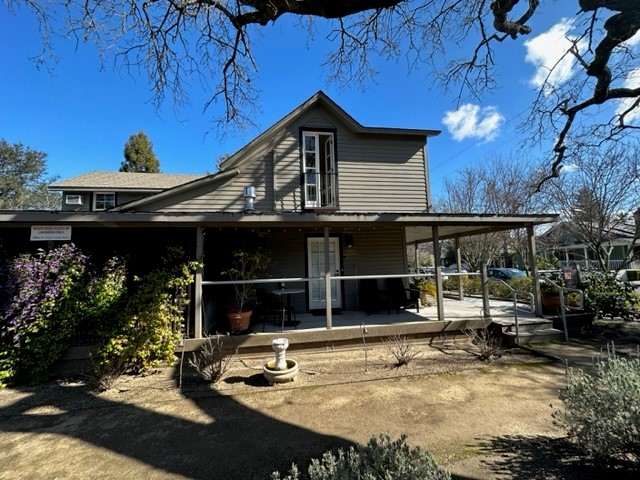
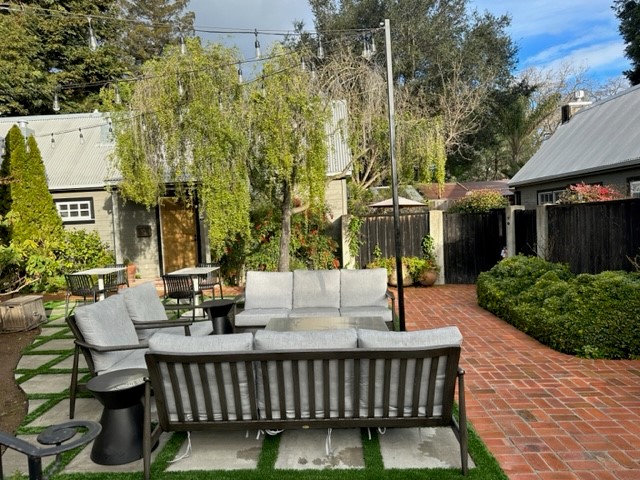
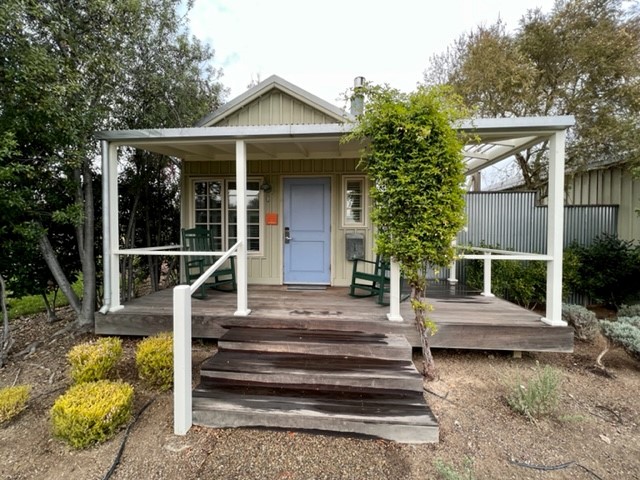
We then checked into Lavender for a good night’s rest before our last day in Napa. Lavender has a wine + cheese hour each afternoon that was a perfect way to unwind at the end of the day. They also have freshly baked cookies out all day and a full breakfast for two, every morning. At 300-400 dollars a night in midweek off season and up to 900 dollars on weekend nights in harvest, it’s a great deal for Napa.

Chappellet

Who is this winery for? This winery will be enjoyed by those who want to visit a winery known for spectacular wines that sits far above it all and that is built with the natural landscape and sustainability in mind.

Chappellet Winery was founded by Molly and Donn Chappellet in 1967. Donn Chappellet felt Pritchard Hill was the perfect place to make a red wine rivaling those coming from France at the time. Chappellett established the second new winery in Pritchard Hill after the repeal of Prohibition and became the 18th registered member of the Napa Valley Vintners.

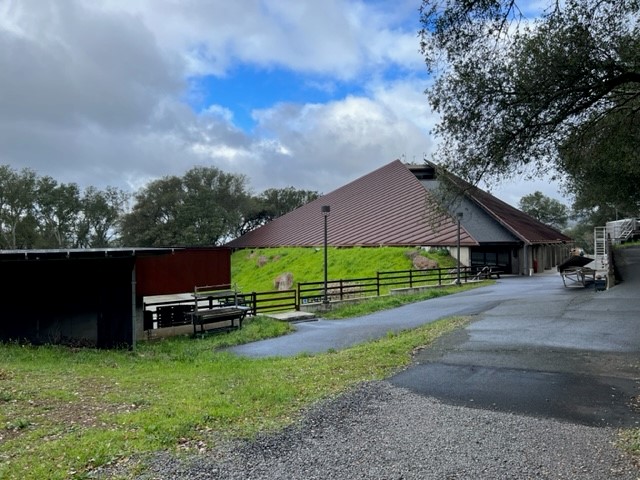
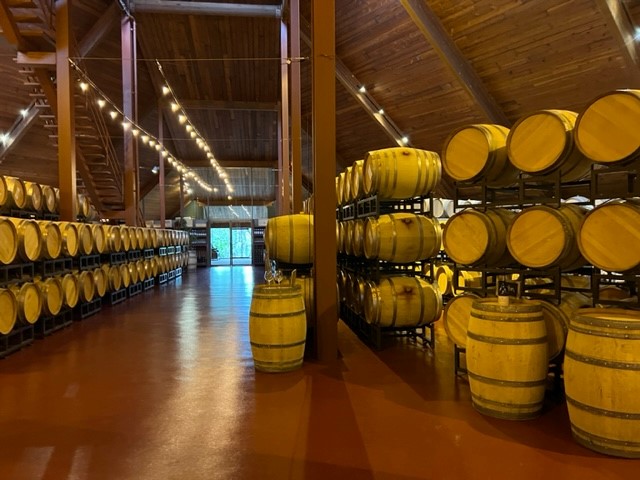
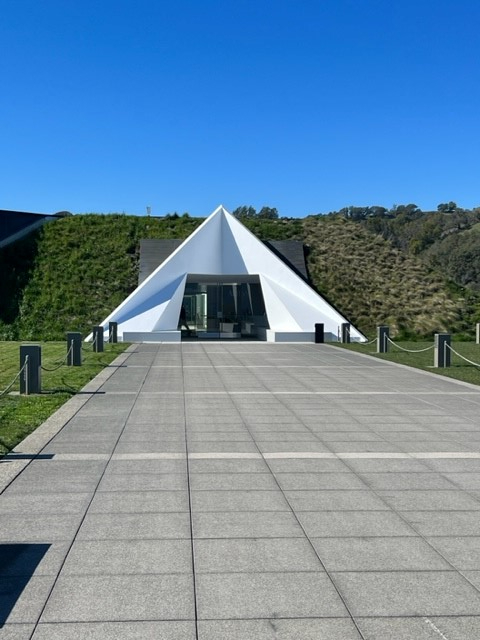
Built in 1968, the Chappellet winery takes on the form of an ancient pyramid. It was designed by artist Ed Moses and is meant to blend with the surroundings on Pritchard Hill complete with allowing the metal roof to rust to further mimic the color of the surrounding rock and soil. In 2012 they create a new state-of-the-art barrel chai to further allow for superior aging and wine production resulting in several 100-point wines since its creation.

As Chappellet’s winemaker for over three decades, Phillip Corallo-Titus (starting in 1981 as an assistant and returning in 1990 as the full-time winemaker) has guided the winery and the creation of amazing award-winning wines with the Pritchard Hill release being the pinnacle each year. Phillip studied agronomy, viticulture and enology at the University of California Davis as well as the great wines of the Bordeaux and Burgundy regions. Combining the long tenures of Philip and Pirio, the vineyard manager for over 40 years, Chappellet has the stability to be amongst the finest producers of wine in the area.

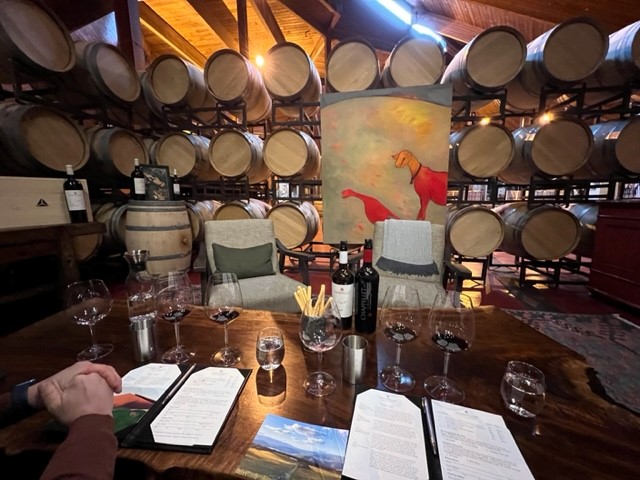
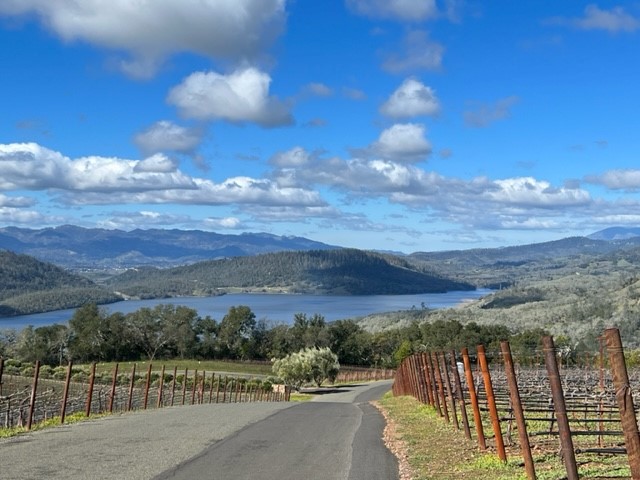
Our visit to Chappellet started with a long drive past the lake and up into the hills on a winding road. The view as you exit the car is that of the natural surroundings with just a hint that a winery lays in the hills. It is masterfully done and makes you feel as though you are entering a hidden estate. The building where the tastings is done is the original barrel storage area that is still used and where most of the fermentation still occurs today. There are many alcoves with rugs and couches where private tastings are done throughout the building. Our tasting started with an interesting chardonnay, as many tastings do, before a trip out to walk around the vineyards. The host was knowledgeable and interactive explaining why they still grow chenin blanc (it’s Molly Capellett’s favorite and she vetoed Donn tearing it all out in favor of the more lucrative Cabernet Sauvignon) and what makes Pritchard Hill so fabulous for growing grapes (the soil of course, as well as the higher altitudes and steep slope allowing slower ripening, a longer growing season and a later harvest, which creates a dime sized concentrated grape as opposed to the more normal quarter sized grape). After the tour around the vineyard (which is becoming rare on tastings these days) we sat down inside to dig into some more wines. Here, Honig and Shafer were the only times we got to explore the actual vineyards and it really enhances the experience. We had several cabernets including the Pritchard Hill as well as a very tasty Pinot Noir. All in all, a beautiful winery with beautiful views and wines that were very approachable by both the measure of price and taste.

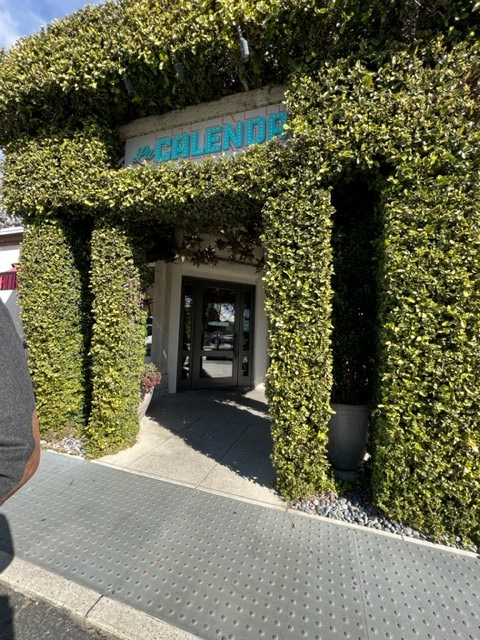
We then headed back down the hill and into Yountville enjoying the views along the way. We headed into town for a bite to eat at La Calendra which has some of the best tacos I have ever had. Filled back up on some amazing food we headed out to Nickel and Nickel for our next tasting.

Nickel and Nickel

Who is this winery for?  Nickel and Nickel is for those who love Cabernet and have extremely sensitive palates that are up for the challenge of distinguishing the very subtle note of cinnamon versus nutmeg caused by subtle differences in sunshine and water drainage of one block versus another. Also, for one who wants an excellent wine in the Oakville area but doesn’t want to spend the extra money for Far Niente or Opus One.

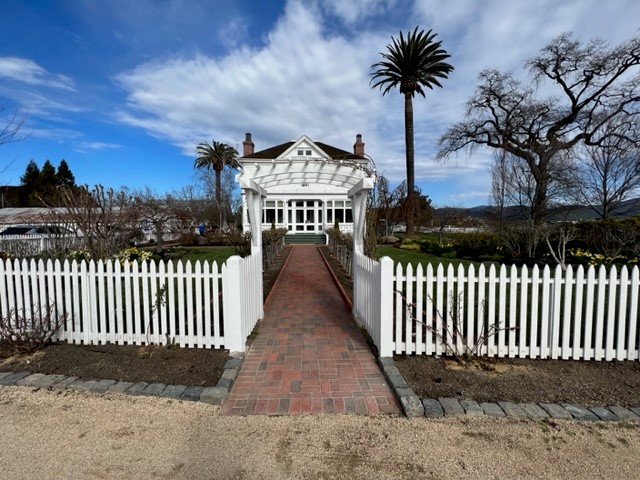
Nickel & Nickel winery is located in Oakville, Napa Valley and produces 100 percent varietal, single-vineyard wines. All told they had 17 cabernets on the menu. It was established by the partners of Far Niente in 1997 to focus on making unique single vineyard wines. Besides the Cabernet Sauvignon they also make Chardonnay, Merlot, and Syrah. They source their fruit from many different areas of the Valley. It has several old buildings that have been painstakingly remodeled which they use for tasting as well as production. They also have several horses who they have rescued over the years.

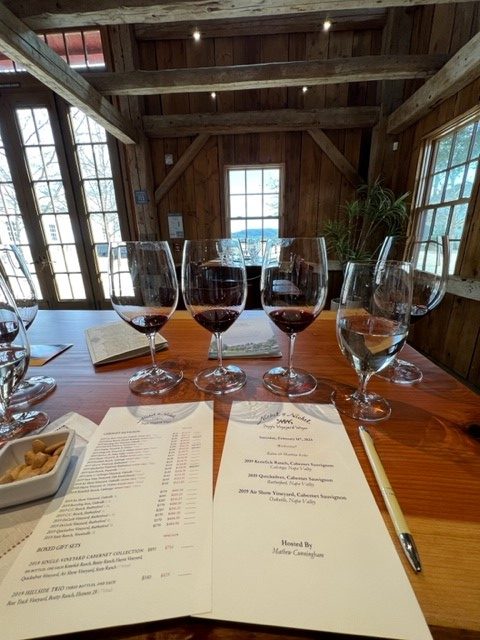
Our tasting was in the barn out back and consisted of several cabernets and ended with the Dolce produced by another partner winery. All the wines were very good and the host was knowledgeable. The tasting was, however, short and included no tour or other inspection of the vineyard or winery. It was a bit impersonal and mostly not memorable. The pours were small and though that was just perfect for us with another tasting still to do, it’s something to make note of for those looking for a longer, fuller experience. The wines, though subtly different with some different notes and complexities, were not different enough in my opinion to warrant 17 different wines. They were, however, quite good and the price point was appropriate for the quality especially compared to the cost of Far Niente and Opus One in the area.

We left with a few bottles of Air Show and Quicksilver and headed back to the hotel to grab an Uber to our last tasting of the vacation at Honig. On our way we stopped at the Welcome to Napa sign for a quick pic.

Honig

Who is this winery for?  Honig vineyard is for those who love well-balanced, affordably priced wines in a classic setting without pretention. This is one of our favorites as there is a little something for almost everyone here.

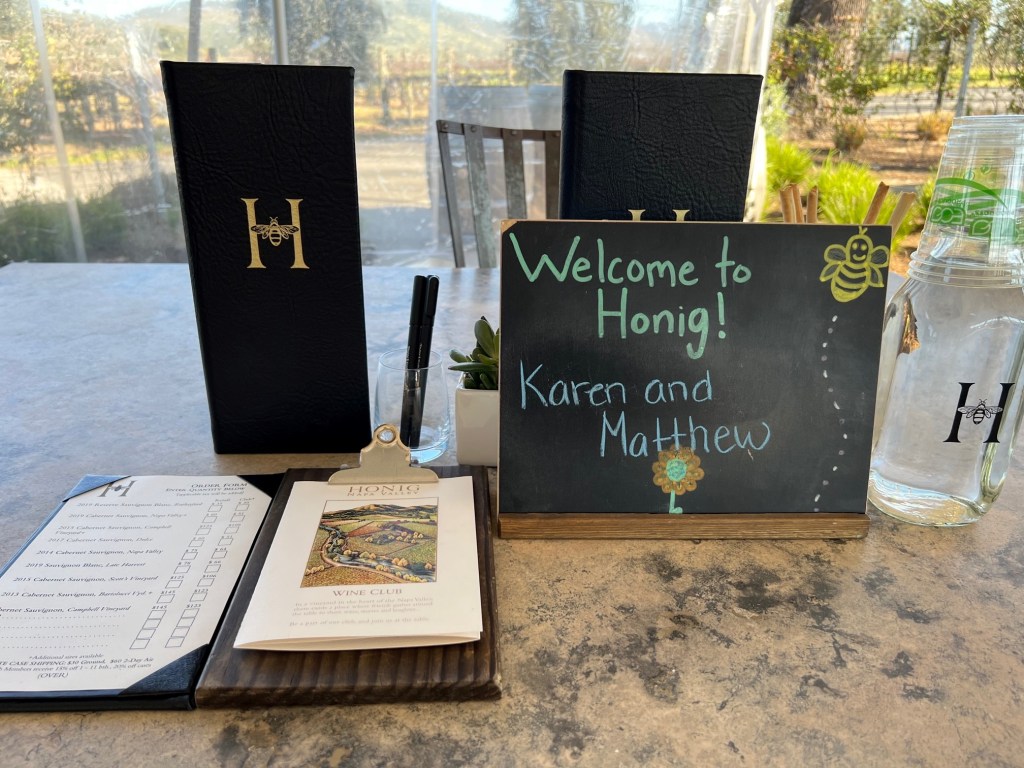
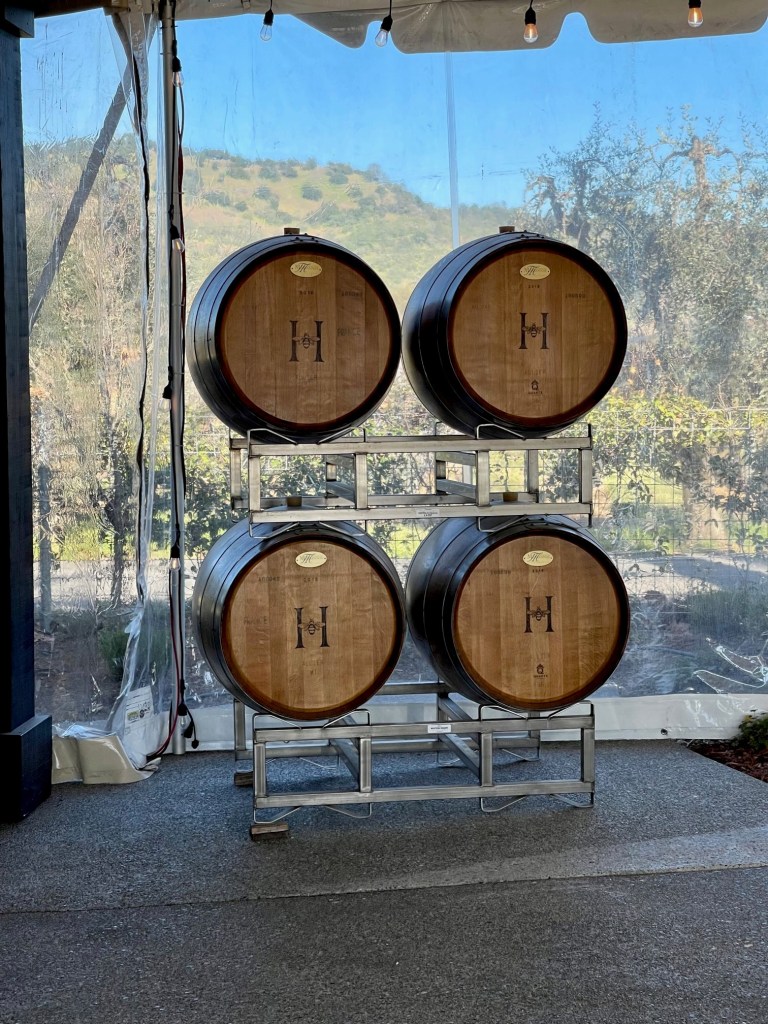
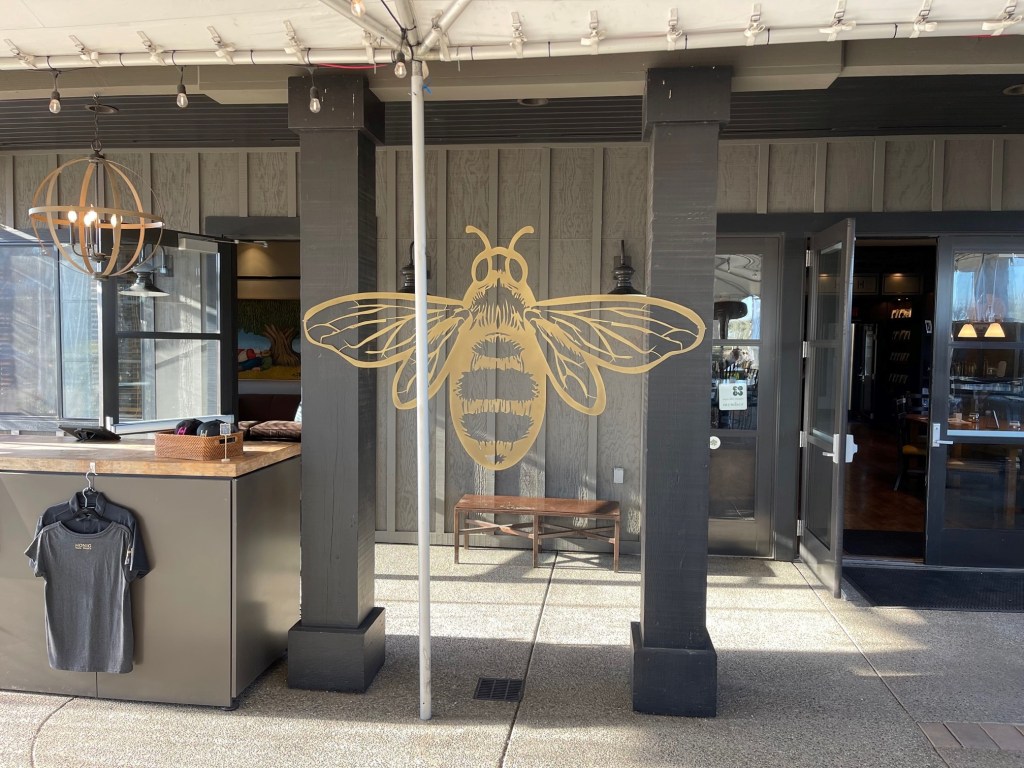
Honig is one of our favorite wines and we were excited to return. Honig is the German word for honey and between having bees on the vineyard and in the middle of the H in the logo, the theme of sustainability and reverence for the founder Louis is evident.

Louis Honig purchased the Rutherford Vineyard (where we tasted) in 1964 as a retirement plan, but the winery didn’t start producing wine there until 1980 after his unfortunate death, so he was never able to see his dream realized. Up until then they sold exceptional fruit to other wineries. After those wineries turned out many award-winning wines, they decided to produce some wine of their own. As one would expect, their wine was also award winning in the first vintages. In 1984, his grandson, Michael, took over management of the vineyard and winery, and along with several family members and a small staff turned it into a successful and socially responsible business.

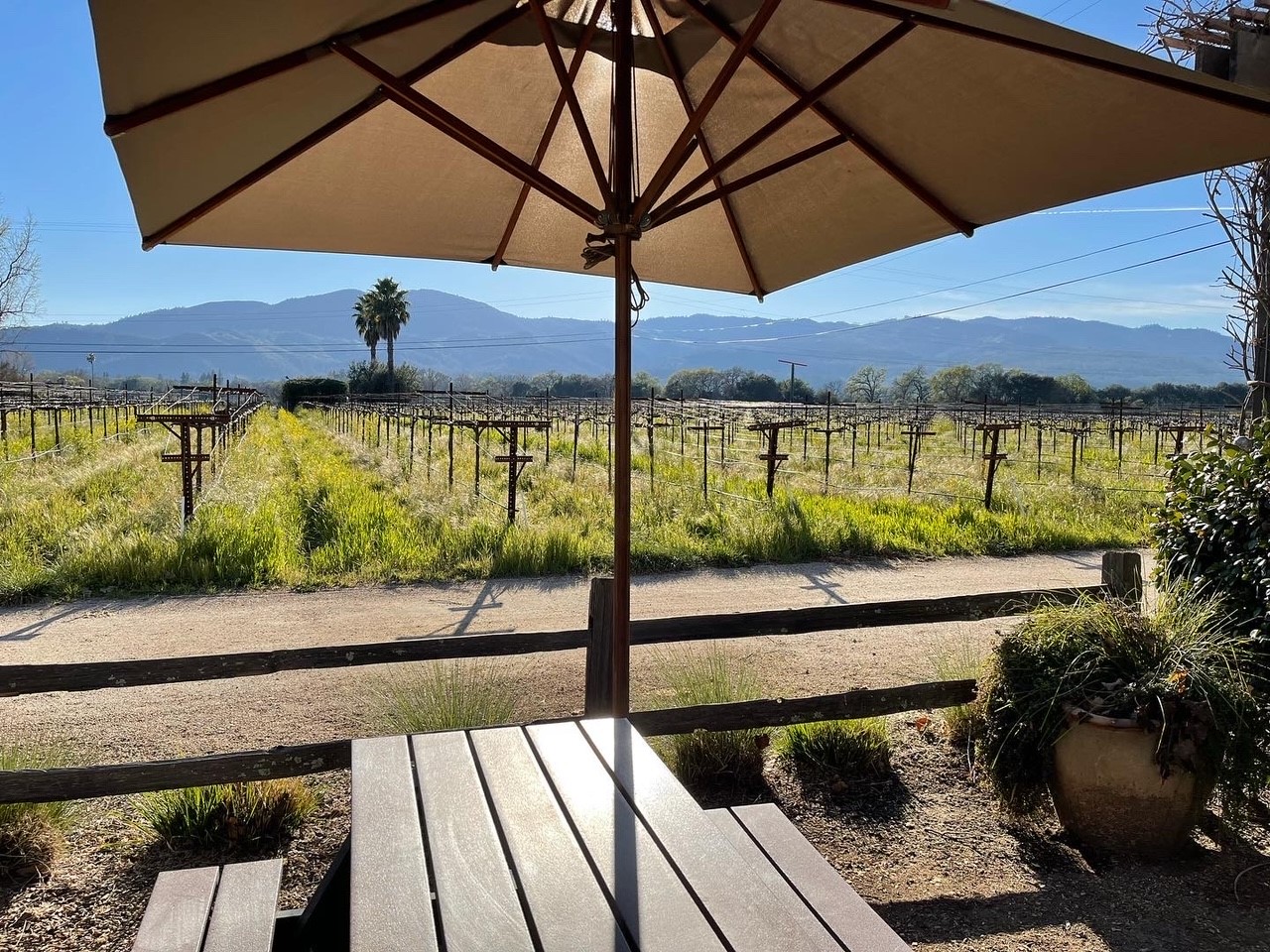
Our visit started with some discussion of the current vintages we had received in the wine club and from there our host designed a tasting to highlight wines we may have storing at home so we could decide if we wanted to open them soon as well. We also tasted older and more rare vintages so we could get a feel for the breadth and scope of different vineyards in different years. After tasting a few wines, we took a walk out into the vineyard where we spoke about our host’s experience in the wine industry, the new happenings at the winery and finally ended on a porch overlooking the vineyards as the sun was dipping lower. What a wonderful way to end our tasting and our vacation standing watching the sunset and enjoying a wine that we really enjoy.

That last moment epitomized why we love wine and why we have fallen in love with the Napa Valley. Those special moments spent in nature with ones we love enjoying a shared experience. Napa may be full of farmers with Rolexes but at the end of the day it’s about the grapes, the land, and this unique valley.

Where did we personally like the most from this stay you may ask? I’ll answer this a few ways:Our Favorite Vineyard (vista, story, etc.)- CuvaisonOur Favorite Wine (simply the taste)- ShaferBest Bang for the Buck (best wine taking cost into consideration)- Honig

Conclusion

Where would we maybe not visit again?

  1. Artesa- as we wrote above we were underwhelmed by the wine and dissapointed with the service
  2. Stag’s Leap Wine Cellars- Been there, done that. It was nice to see the winery that started the revolution in Napa but it felt commercial and impersonal so no need to visit again. Also though the wine was great it wasnt great enough to make us want to return for a tasting.

Where would we go again we visit?

  1. Shafer
  2. Cuvaison
  3. Honig
  4. Clos du Val

Will we go to Napa again? Absolutely! In fact we are already starting to think about when we can get back and it might be this year.

Please read our other posts on how to plan a trip to Napa and the other wineries and places we have stayed and let us know what you think by leaving a comment, liking the post or following the blog.

Sailing the Abacos, Bahamas: A wonderful week in paradise

We love to sail and have taken bareboat cruising trips to the BVI’s (part 1 and part 2) and The Florida Keys. It all began with a great learn to sail course with Offshore Sailing School in Saint Petersburg, Florida (blog link). Our most recent adventure was to the Abacos in the Bahamas. We chartered through Navigare using Cathy who we met at the Annapolis Sailboat Show. in October 2021. She spends many weeks chartering in the Abacos and was extremely helpful in giving us personal knowledge about the area and locals we could rely on for transportation, provisioning etc.

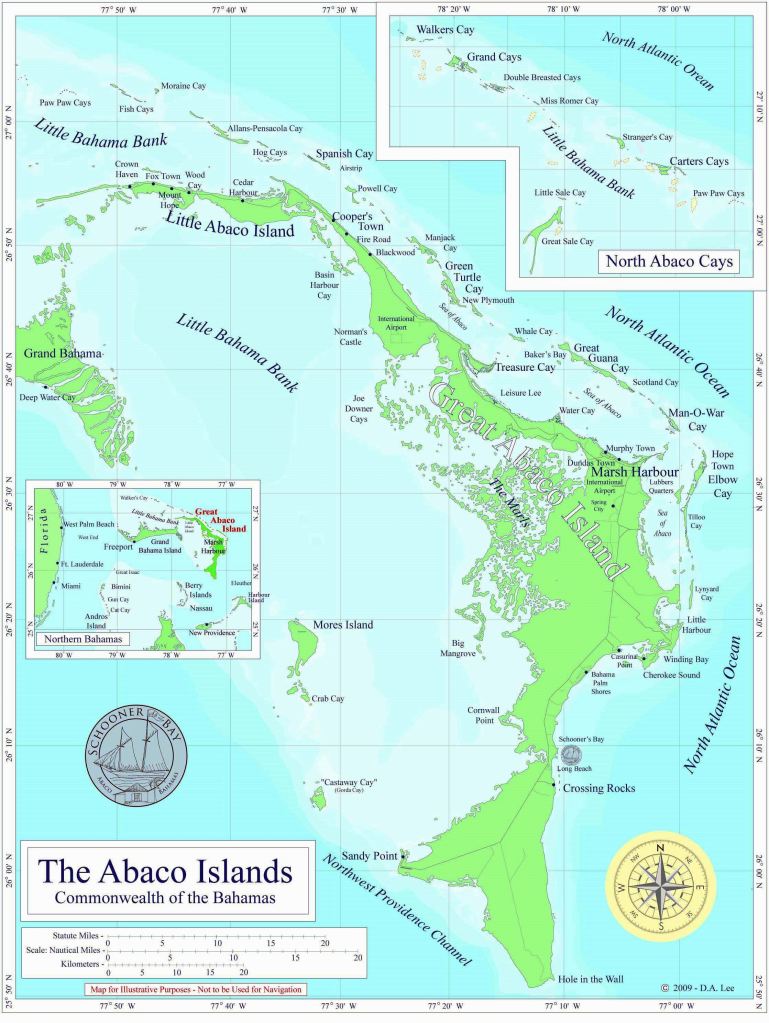
The Abacos are a subset of islands and cays within the northern Bahamas. The two main islands are Great Abaco and Little Abaco. There are a large number of smaller inhabited and uninhabited islands and cays throughout the chain. Marsh Harbour, on the Great Island, is the commercial center of the Abacos and home to the main airport. Treasure Cay also has an airport. The islands are surrounded but the world’s third largest barrier reef. Most of the waters are fairly shallow and you must keep a close eye on depths when sailing. In 2019, Hurricane Dorian made landfall on Elbow Cay in the Abacos with 185 mph winds. Many people died and almost everything within the Abacos was destroyed. Even now, in 2022, we could still see the devastation from the hurricane but the one thing we learned was how resilient the residents are and how they are coming back better than ever. Most importantly, they can’t wait for all of us to return!

Day 1- Travel Chaos

No Wanderingkellers trip would be complete without a little unplanned adventure and this trip did not disappoint. We were set to fly American Airlines through Charlotte, NC to Marsh Harbour where we would stay, as usual, on the boat for the first night. This first night aboard allows you to spend the night in the marina getting all the systems figured out and finding any quirks or issues with the boat that need handled before we could depart. Unfortunately, American cancelled our flight to Charlotte at 8 pm the night before. It was literally all hands on deck as everyone in the family chipped in looking for flights, calling American and Delta, and finding a car to rent in case driving to Charlotte was the only way to make it. After a few hours and getting halfway to the rental car place with the plan to drive to Charlotte, we found a flight to Nassau and we booked an island hopper on Western Airlines to Marsh Harbour. Unfortunately, due to delays and customs, we missed the 3 p.m. last flight out of Nassau and had to grab one at 7:30 a.m. the next day.

We always try to look on the bright side and see this type of inconvenience as an opportunity for adventure. We booked a room while we waited to leave Philadelphia airport at the Margaritaville Hotel (post about the hotel to follow) in Nassau and made the most of it. As we were traveling with another family who did make it to the boat as originally planned, they were kind enough to get the boat settled, provisioned, and let the staff know we would be there by 9 the next morning, so we could be briefed on the boat and head out to the high seas for the real adventure. At the end of the day we didn’t miss out on much, and we were able to get some money refunded by American. At the airport we met Otis from Diamond Limo Service and he offered to give us a discounted round trip transfer from and back to the airport.

Day 2 – Arrival in Marsh Harbour (finally!) and Boarding the Boat

We woke up early and Otis was waiting as promised at 5:30 a.m. sharp for us to head to the airport. We arrived before 6 and checked our bags, having to pay $16.20 extra as we were a bit overweight altogether for our baggage (it was a tiny plane where every pound made a difference!).  The Nassau airport is nice and air-conditioned and has a a few stores as well as a Dunkin Donuts. We were amazed at the number of people who took a dozen donuts for the flight as I imagine donuts are hard to get on some of the outer islands. The plane was older but well maintained and the flight was smooth from start to finish.

We arrived, grabbed our bags, and headed out to meet Kathran (a local taxi driver recommended to us by Cathy at Navigare. Kathran’s business card is below) who was waiting to take us to the boat. The Navigare folks were efficient and very thorough getting us aboard, briefed, and ready to go in less than 3 hours. The boat (a 46 foot 2022 Lagoon catamaran) was almost brand new, but as with all boats they have their quirks which we will review at the end.

We shoved off and headed from the Navigare base in Marsh Harbour to scout out some snorkeling at Fowl Cay. It is an easy sail or motor over to Fowl Cay from Marsh Harbor with plenty of depth the whole way. Though you can motor out into the ocean and moor or anchor closer to the reef, our charter company recommended for all reefs that we planned to visit that we anchor on the Sea of Abaco inside passage and motor on the dinghy out to the reefs. As opposed to the BVIs where many of the reefs were protected, most of the reefs in the Abacos are a half mile or sometimes more off the ocean side of the Cays. The dinghy rides can be bumpy but it’s well worth protecting the reef and knowing your boat will be there when you return due to better and more consistent holding in the Sea of Abaco.

Unfortunately, on this day the weather did not cooperate and we ended up having lunch on the boat in the rain instead of snorkeling. Watching the storm come through from the boat was an awesome experience in itself. The snorkeling at Fowl Cay Preserve is great and we were determined to make a stop on the way back down to Marsh Harbour later in the trip. We made the best of it and Captain Keller braved a little rain to motor us out of the storm into blue skies and sunshine by Great Guana Cay.

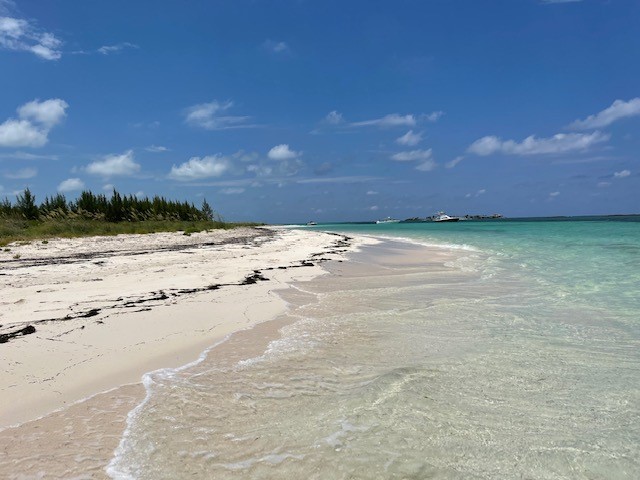
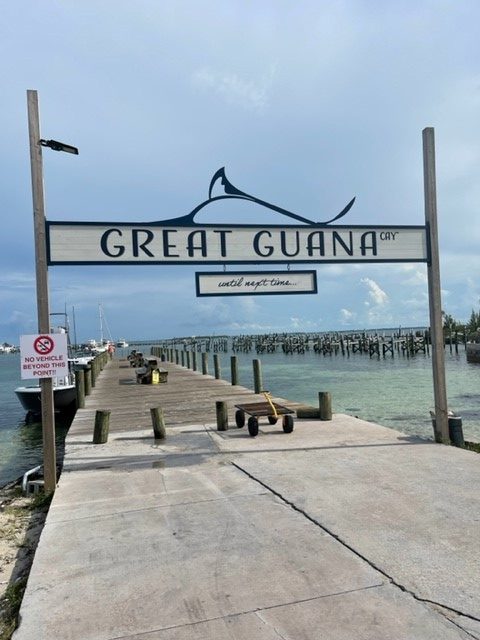
We arrived at Great Guana Cay around 3 p.m. and anchored in Bakers Bay. We headed on shore and took the dinghy up to Grabbers (a beachside tiki bar) where we caught a golf cart from a local out to Nippers. These “golf cart rides” are typically done by locals for tips and it was a fun adventure. Nippers is a great beach bar that lies along the ocean and is a great place to grab a cocktail, listen to some music, and a take a swim. The kids had a ball snorkeling and swimming in the waves by the ocean and taking a dip in the pools. The adults enjoyed a swim and a few beverages before “ubering” back to the dinghy that was right where we left it thanks to a nice little boy who promised to take care of it while we were inside. We gave him a nice tip and it was back to the boat for some dinner, family games, and a good night’s sleep after a long day of travel.

Day 3 – No Name Cay and the Whale Cay Passage

We awoke to a beautiful sunrise, had some breakfast, and pulled anchor to head out to No Name Cay. This is one of the trickier sailing parts of the trip as you must travel through Whale Cay Passage. One must check the weather and wind as passing through the two bars (especially the one between Whale Cay and Channel Rock below No Name Cay) can be treacherous with raging swells and strong winds. The charter company advised that 15 knot winds were ok but anything over 2.0 knots, especially with easterly or southeasterly winds, should be avoided.

We were in luck as the winds were around 12 knots and the swells were not too significant so we were able to make a safe trip through the passage without issue. I personally recommend not relying on autopilot for the passage between the tight northern bar between Channel Rock and Whale Cay as the autopilot is a bit slow to respond and a big wind gust or swell could spell disaster. If you aren’t confident in your abilities, either wait for better weather or stay in the Southern Abacos where there is still plenty to do.

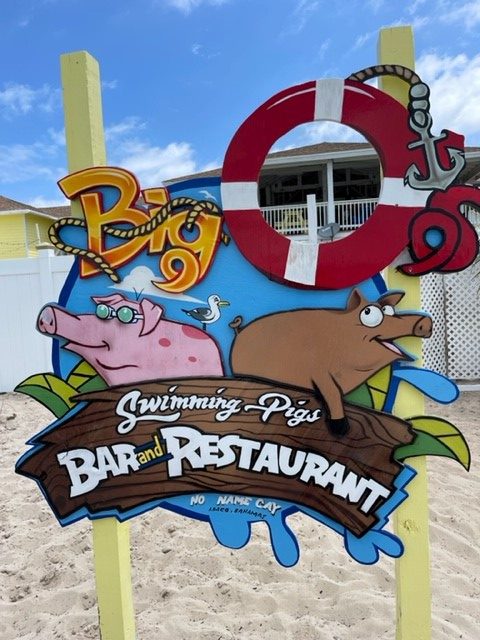
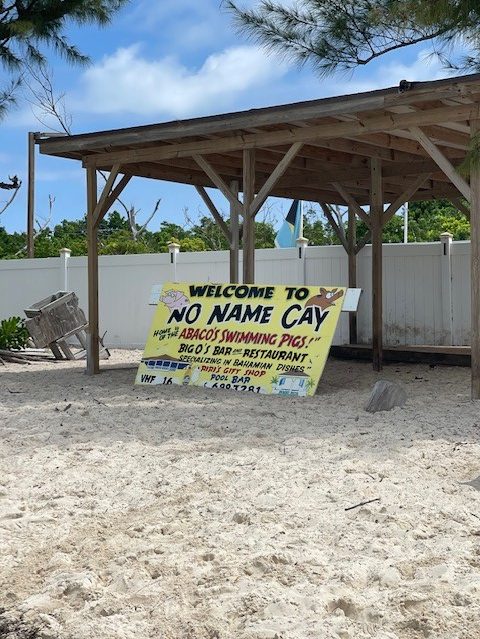
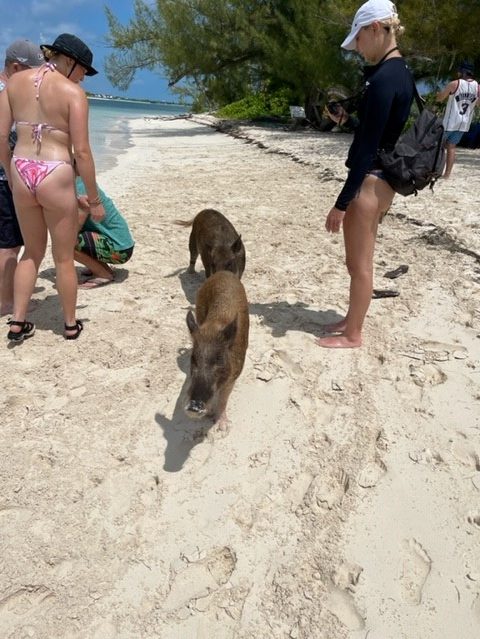
We arrived at No Name Cay where we anchored in about 10 feet of water for the first big adventure of the day, Big O’s.  Big O’s is known for the wild swimming pigs and some great Bahamian food and island beverages. Bring something for the pigs to eat but be careful to not hand feed them as sometimes the larger ones can be a little aggressive. They are fairly docile but still wild animals.

After feeding the pigs, tossing the football, and playing a little volleyball, we headed up to the restaurant for some food and drink. It was hot that day so everyone started with a water and then moved on to other beverages to keep hydrated (you can never be too hydrated on a boat, so drink plenty of water). We had conch bites, conch fritters, quesadilla, fresh fish, and nachos which were all delicious. After one last visit with the pigs we headed across the water on the dinghy to Gilliam Point at the southernmost point of Green Turtle Cay for some shelling. This beach is directly across from No Name Cay and is one of the best sand dollar collecting areas in the Caribbean. The beach is pristine, the water beautiful and temperate. We walked the beach with sand squishing between our toes, found a few huge sand dollars and had a nice swim before heading back to the boat to head off to nearby Manjack (also known as Nunjack Cay) Cay for our anchorage.

We anchored about 300 feet off Rat Cay in 10 feet of water and boarded the dinghy for a ride along Nunjack Harbor (behind Rat Cay and between Manjack and Crab Cays) where we saw sea turtles, conch, and a 3-foot shark. The water is shallow and best explored in the 3 hours before to 3 hours after high tide to avoid shallows as MLLW can be 1.5 feet in several areas. As we were at mid-tide we made a loop going through the harbor first then out into the ocean (where we encountered swells and got really wet) before heading back between Fiddle Cay and Crab Cay to explore some more beaches. There we stopped on a beach along Crab Cay and found many sea creatures including the largest hermit crab we have ever seen. After some exploration and when the bigs began to get bad we headed back to the boat around the western end of Crab Cay for some dinner aboard.

Day 4- Stingrays, sharks, reefs and Green Turtle Cay

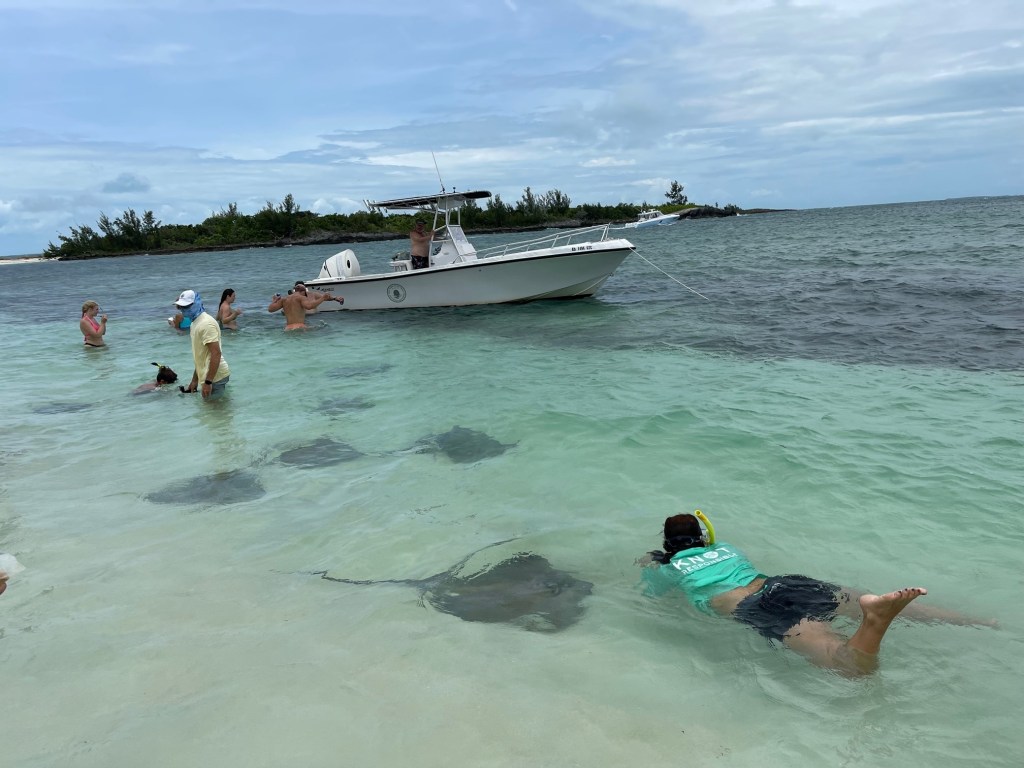
As we arrived in Manjack too late on day 3 to snorkel at the reefs off the upper end of Manjack Cay, we hauled anchor early and headed to the bay in the northern end of Manjack Cay to anchor and explore. There are two main things to do here: (1) see the plentiful stingrays and occasional friendly sharks along the shallows of the beach, and (2) snorkel at the fabulous reefs off the north east end of the Cay.  Not ones to be deterred, we did both. The ride out to the reefs on the dinghy is fairly bumpy and about 20 minutes. It took some exploring but just look for white caps breaking in the distance and aim for those as it represents the reef. We took the trip in groups of 4 as the waves were too high to allow 8 people to comfortably and safely traverse the waters. I will say these were among the most beautiful coral reefs I have come across as the trip out and lack of mooring balls likely deters all but the most dedicated individuals from exploring them, though this is just a hunch. The reefs were heavily populated with fish, sea fans and healthy coral. After heading back to the boat we all headed ashore to see the stingrays.

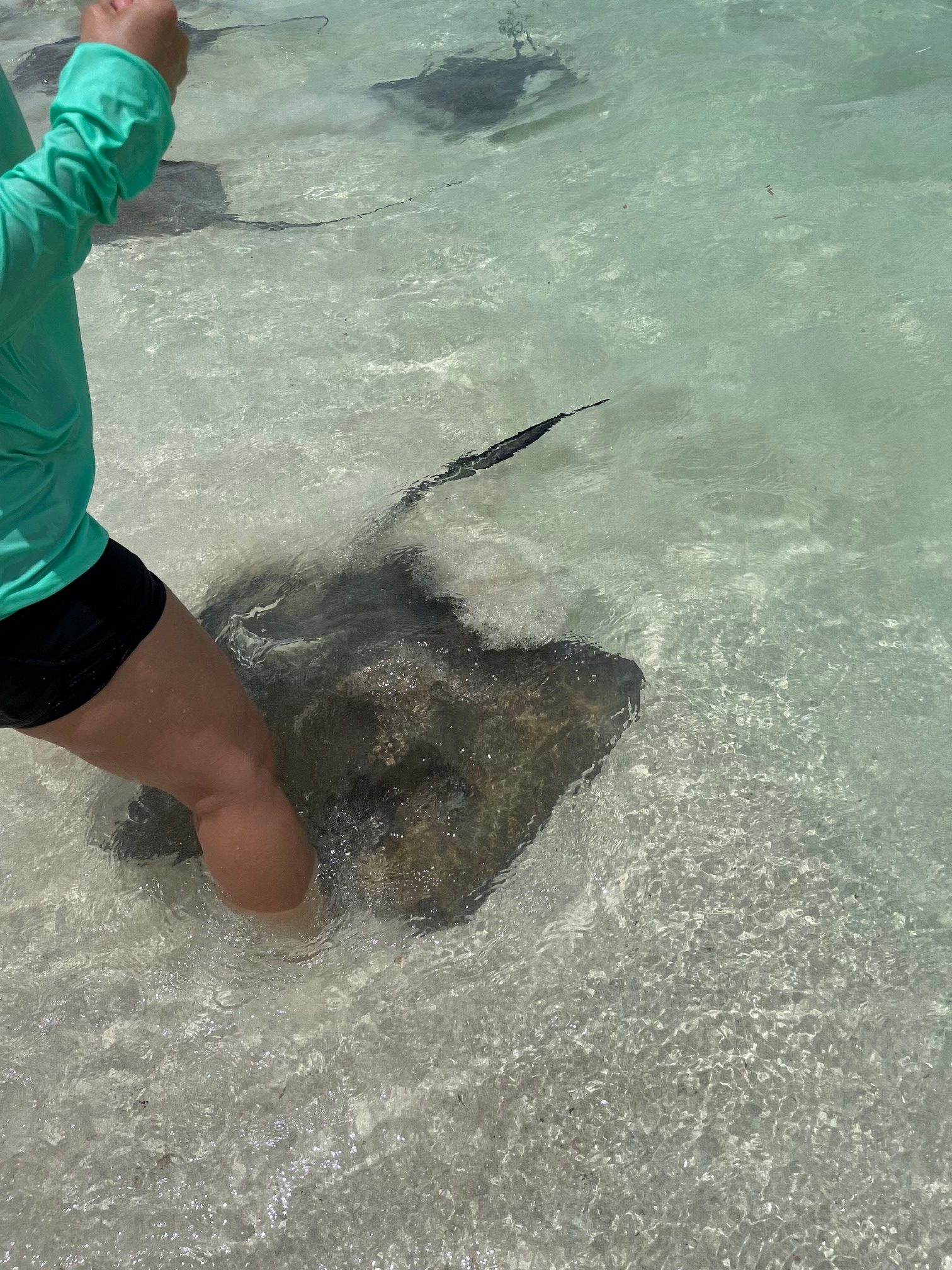
Many places are billed as having wildlife, but this place delivered! There were 15 stingrays that were friendly and wanted a free handout. Take some left-over fish or bait with you to feed them. The best way to do so is to lay your hand flat palm down with the fish sticking out between your fingers. They will swim overtop and literally suck the fish out between your fingers and swim away. They are very friendly, just don’t step on them and you will have a great experience. We tell folks to do the stingray shuffle where you shuffle through the water without picking up your feet.

There were also a few 5-foot sharks who swam around in slightly deeper water looking for cast offs from the stingrays. We enjoyed watching them swim around but did not try to feed them as sharks are notoriously less friendly.

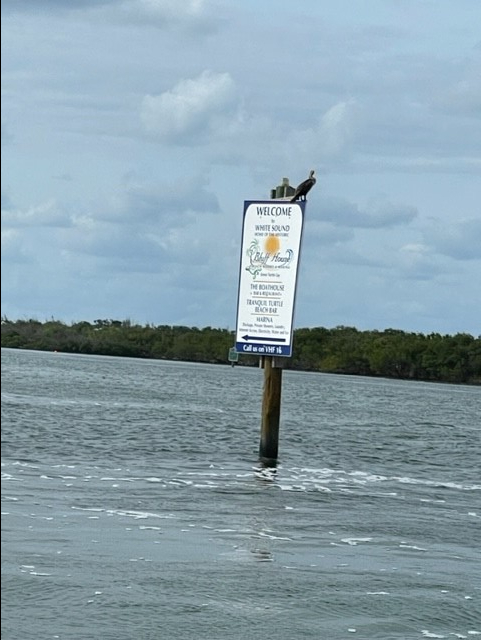
After getting our fill of wildlife for the day we headed out to Green Turtle Cay. The wind was blowing 20-25 knots and was favorable for a sail so we quickly hoisted sails and headed out. The sailing was great and the boat handled the wind with full sails without any complaint. As we approached Green Turtle Cay the sun appeared, and the wind slowed making for an easier entrance to what is a relatively narrow channel. We entered and grabbed a mooring ball in White Sound from Phil Roberts (his phone number is on the balls) as the Green Turtle Cay balls won’t handle a boat larger than 45 feet. The cost was 20 dollars a night.

As we needed some groceries, we dropped off the kiddos at the Green Turtle Club to play some games and a few grown-ups hightailed it over on the dinghy to Black Sound for the grocery store. We pulled into Donny’s Marina as we didn’t know quite where the store was. Donny himself was nice enough to ride us over to the store in his side by side and wait while we shopped. He is third generation on the island, and you won’t meet a nicer guy. He regaled us with stories of life on the island and the devastation from Hurricane Dorian. Next time we are in Green Turtle Cay we will surely anchor in Black Sound at one of its mooring balls or dock in the marina for the night. We found everything we needed at Turtley’s Convenient and we were then on our way back with groceries and ice. We thanked Donny and took the trip back to the boat to unload and meet back up with the rest of the group.

Our dinner reservation was late so we decided to grab an appetizer at the Bluff House before dinner at the Green Turtle Club. The view from the Bluff House was stunning as the sun went down and the food and service at the Green Turtle Club was great as well. Upon arriving back at the boat we hit the hay almost immediately as we were wiped after such a full day.

Day 5- Whale Cay Passage Return Trip

We awoke to a beautiful morning and came off the mooring ball to start the long journey back down south. The winds were 15 knots or so and I have to say that’s about the limit for a catamaran to comfortably pass between the rocks on the upper bar. We rode into 3-4 foot swells most of the way until we turned south into a following sea. Keep up your speed to maintain steerage and if the weather doesn’t seem right don’t attempt the passage.

We stopped at Treasure Cay to realize that it was still being rebuilt from the hurricane and was completely unrecognizable with no clubhouse, no docks and crumbling marina walls everywhere. It really was eye-opening to see the devastation firsthand. We anchored in the middle of the harbor, had some lunch and rode around on the SUPs before heading back out to Fowl Cay to make good on the snorkeling there. The trip to Fowl Cay was slow as we tried to sail but the wind direction wasn’t cooperating, so after some beating upwind we relented and dropped the sails in favor of the iron spinnaker (motor power) to anchor on the north side of Fowl Cay. Our charter company recommended we stick to the Sea of Abaco and only dinghy to the snorkeling grounds and that’s what we did. This area has mooring balls to tie your dinghy up to which is nice and very reef friendly. The reefs are about .75 miles off the coast but well worth the trip as there were many fish both big and small and beautiful coral and sea plants to enjoy.

We anchored in Man O’War Cay off North Scopley’s Rock right by a beautiful beach and made some steaks and pasta for dinner. Afterward the kids tried to fish but alas we didn’t catch anything. The water was calm and the winds light making for a gorgeous night.

Day 6- Hopetown and White Sound Elbow Cay

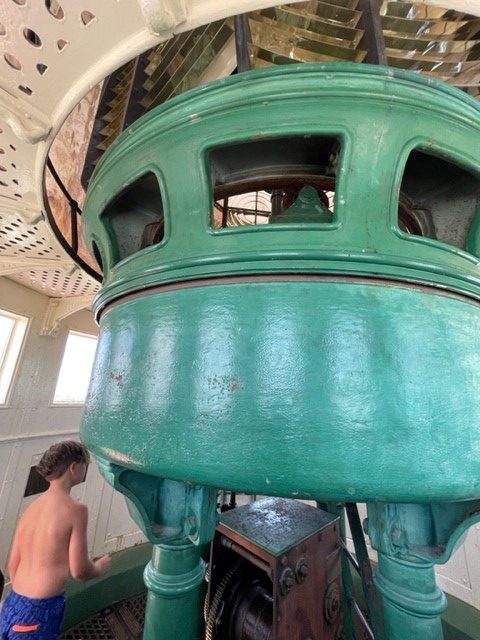
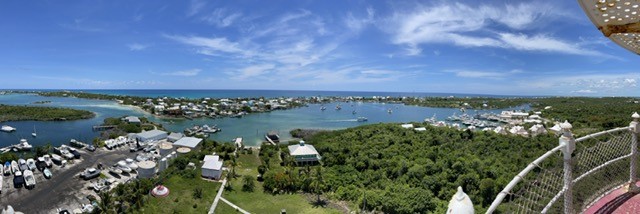
As there is plenty of deep water off Man O’War Cay and we had friends on board we took some time to do some slow but educational sailing lessons. The wind cooperated just enough to let some of the younger crew take the wheel, trim some sail, perform a tack or two and get us just a little closer to our first destination of Hopetown on Elbow Cay. Hopetown is home to the only operational kerosene fueled lighthouse.

There was some damage to surrounding buildings, but the lighthouse stood strong, even through Dorian. We anchored outside the harbor in the shadow of the lighthouse and took the short dinghy ride into harbor where we explored the lighthouse prior to motoring over to the upper public dock to explore the town. We had lunch at Captain Jacks, had some rolled ice cream, and took the stroll down to the beach where we swam out to the reef (150 feet offshore) and saw an enormous spotted eagle ray, an 8 foot tarpon and a lot of other fish. The ray was amazing and, per the usual, I did not have my GoPro with me.

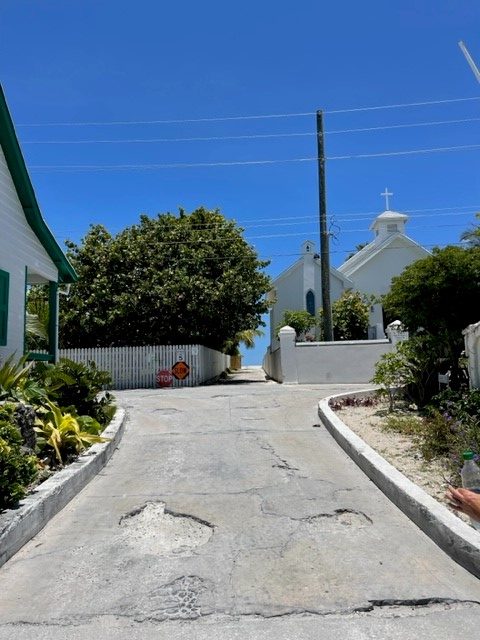
Hopetown was hit hard by the storms, but so many new and refurbished buildings have popped up. The town is so quaint and cute with many people moving down and building there. It was by far the cutest area we have come across so far. After a great afternoon of exploration, we took the short trip down to our overnight anchorage in Aunt Pat’s Bay. After dropping anchor, we turned on some tunes, ate some snacks, showered, and talked about how great the vacation had been so far. As the sun was setting, we hopped in the dinghy to ride into White Sound for what would be our best dinner yet at the Abacos Inn. We ate tuna, lobster, conch, and filet and the boys watched the NBA draft all while watching the most amazing sunset. Tired from another long day, we rode back and turned in almost immediately.

Day 7- Tahiti Beach and the Journey Back Home

We awoke to another beautiful morning and took a very short ride down closer to Tahiti Beach for our last day on the boat. After setting the anchor, a few of us went out on the dinghy to Tiloo Cut to fish a bit while the rest got some breakfast and read on deck. We managed to catch a few fish and let them all go as we didn’t need any more food and catching them was enough for us. The cut between Elbow and Tiloo cay is a tight and deep channel with reefs. We ended up trawling with little weight on the line as the bottom had significant rocks and coral to snag your line on. Evidently, the shoreline outside the channel in the Atlantic is an even better area to catch fish but we didn’t want to bob for a hour in the dinghy so we stuck to the cut. During mid-tide the current can be strong, but the colder water on the incoming tide seems to be the best time for catching fish here.

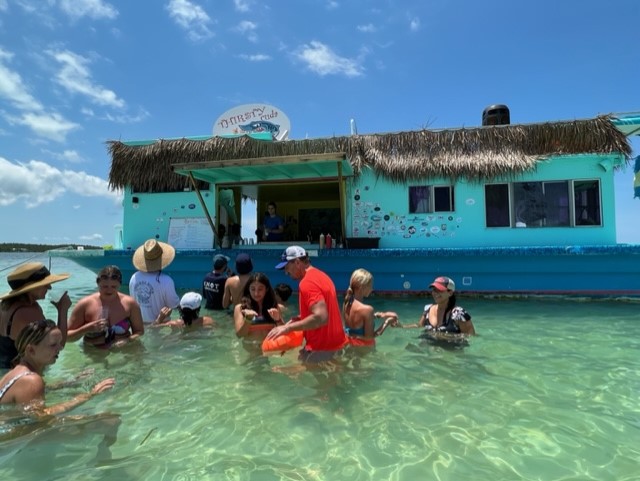
After a few hours of successful fishing, we returned to the boat and everyone headed ashore to Tahiti Beach. There is a big sand bar here where you can anchor your dinghy in the shallows and a floating tiki bar called the Thirsty Cuda that arrives at noon to serve up drinks and some small bites. Some of the kids snorkeled the nearby reef finding ray, sharks, fish, and a lot of sand dollars. All in all, it was a great afternoon on the sand and shallows chatting with fellow boaters and soaking in the last day on the vacation. This is definitely a must do in the Abacos.

We headed back to the boat and for ease of boat return we headed out to Matt Lowe’s Cay for the night. Once there and anchored we had a feast of what was left on the boat with hamburgers, hot dogs, pasta carbonara, a meat and cheese tray, as well as bean and corn salad. We were the only ones there for the night and took advantage of the stars and the privacy to dance on the top deck and talk the night away before heading down to pack up before hitting the rack for the night.

Day 8 – Disembarkation

We awoke at 7, prepped the boat, stripped the beds, carried the bags up on deck, collected the trash, ate some breakfast, pulled the anchor and fired up the engines to head back to the marina. We radioed in before hitting the channel to find out our spot in line. We had one boat fueling ahead of us so we circled til they let us know it was our turn. Holding position in the harbor is tedious and boring so my advice is don’t come in to the harbor until they are ready for you. After a perfect approach and docking at the fuel dock we filled up and all but the captain disembarked with all the gear. Navigare parks the boat after fueling which was fine with us as it’s vacation after all. All was well with the boat, so after one last check of all the cabinets and a sign off on the boat we headed out to spend one last night at the Abaco Beach Resort.

The hotel was only a short walk from the marina and the rooms were nice and cool. We ate one last breakfast/lunch together before our friends departed for home. The Wanderingkellers headed back to the hotel for a quick nap before spending some time at the pool bar discussing our vacation with fellow boaters just finishing their sails as well. We had a great time swapping favorite memories and relaxing in the pool before we went to the hotel restaurant for dinner. It is a beautiful room with wonderful views of the marina. We ate seafood fritto, chicken curry meatballs, blackened grouper, sea bass, ice cream and key lime pie before heading back to the room for some quick family games before turning in for a well-deserved rest before our travels back to Philadelphia.

Day 9 – Our Travel Day Home

Thankfully our return trip was not as eventful as the trip down. We had arranged for Kathran to pick us up at the hotel and transport us back to the airport in Marsh Harbour. We arrived home exhausted and dreaming of those Bahamian sunsets and blue waters.

Places not to miss in the Abacos:

Alhough we loved everywhere we went, there were a few places that stood out above the others:

  1. Tahiti Beach and the Thirsty Cuda
  2. Manjack Cay on the northern end for stingrays, sharks and great offshore snorkeling
  3. Hopetown lighthouse and beach

Would we do this again?

In a heartbeat. We saw so much but there are many places left to explore.

Would we use Navigare again?

If their Abacos base is an example of how they run their other bases, absolutely. The boat was beautiful and brand new. The staff was friendly, very knowledgeable, and the base was in a very accessible location. They have bases all over the world.

Parting words:

For anyone looking for a warm, inviting, and varied environment the Abacos are a great place to bareboat charter and a short flight from the United States.

Itinerary for Arches, Canyonlands and Moab, Utah

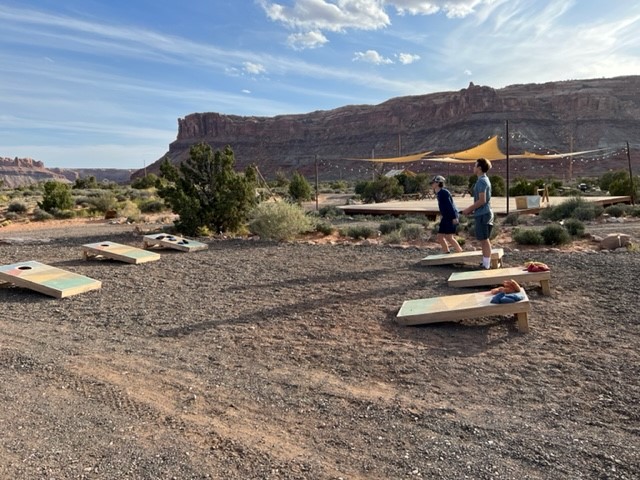
After an amazing time in Sedona, the Grand Canyon, and Monument Valley, we left 4 Corners and headed north towards Moab, an approximately 2 hour and 45 minute drive. We stopped along the way for some snacks and a bathroom break. You can read about the first leg of our adventure here. On the way into Moab, we stopped at the Moab Brewery for some dinner and then headed to Under Canvas Moab which is located about 10 minutes outside of town and very close to the entrance of both Arches and Canyonlands. We had stayed at Under Canvas in the past at their Yellowstone location and found this one to be just as beautiful. They do not have Wi-Fi at Under Canvas as part of their philosophy of disconnecting from the stresses of every day and instead exploring and enjoying nature. They do have cornhole, horseshoes, and an activities center where we water-painted postcards on our first night. The activities center also has board and card games that you can take to your room or play in the main lobby, as well as snacks and firepits for making complimentary s’mores. They also have multiple hammocks and egg chairs to relax and enjoy the view, one which words cannot describe. There are also multiple grills complete with spices and cooking utensils so you can grill your own dinner in the great outdoors.

The whole place is built on top of a slightly rounded mound that overlooks the valley on one side and a large butte on the other so everyone has a nearly 360-degree view from their porch. There are no bad views here.

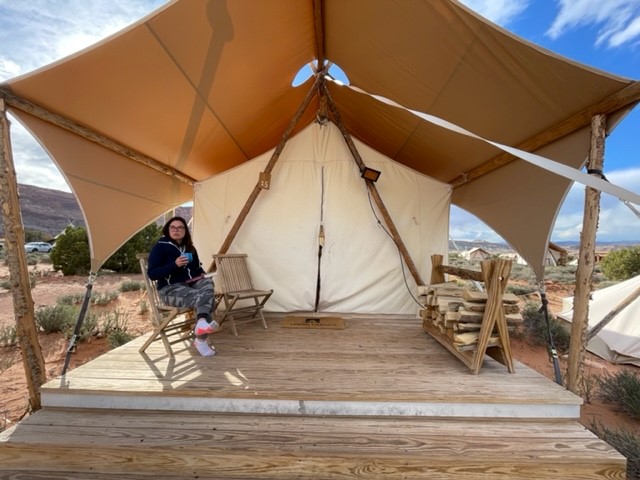
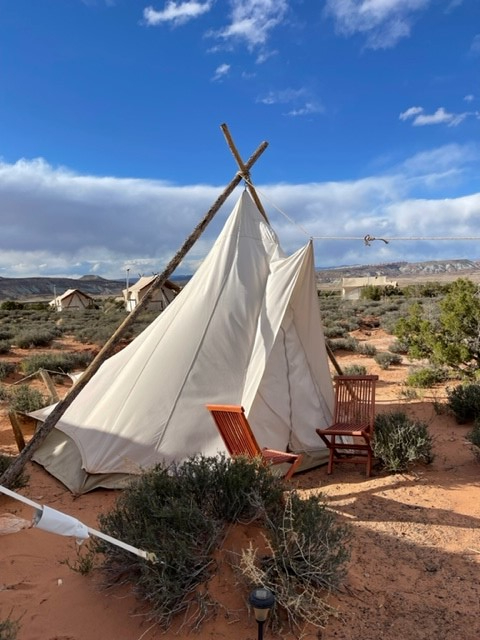
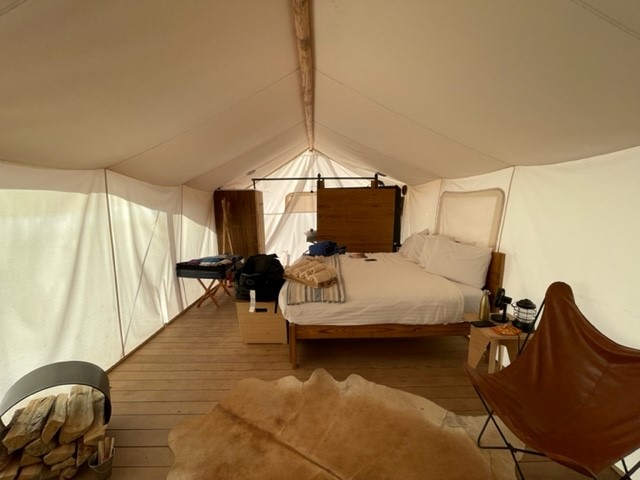
After painting our postcard, we headed back to the tent to play a board game and watch the new Death on The Nile movie (we had downloaded it on our iPad before our arrival) before turning in. The safari tent we stayed in had a wood stove for heat, flush toilet, shower, sink and king-size bed, plus a sitting area inside and a front porch. The boys stayed in a teepee beside us. They each had a comfy single bed with a low-temperature sleeping bag for cold nights.  When they say “glamping” they aren’t exaggerating as all the comforts of home are at your fingertips.

It was early to bed again for us to rest up for another exciting day of exploring.

Day 5

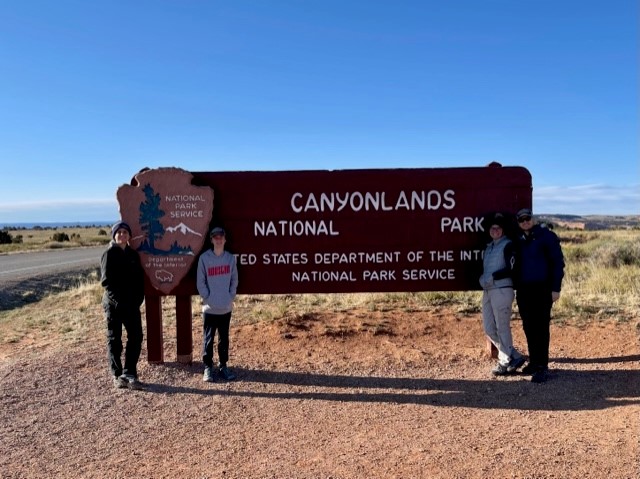
We got out of bed a little later as we were a bit tired. We grabbed a quick bite at the main area in Under Canvas and headed down the road to Canyonlands National Park to explore one of the most rugged National Parks the US has to offer.

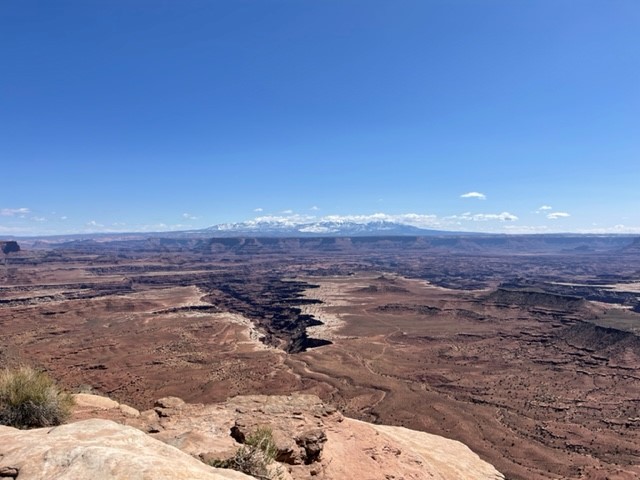
Once again, we used the Gypsy Guide to help us find out where to stop and what hikes to do. This park is enormous, and many areas are not accessible without leaving the park and taking a long 100-mile car ride to get to the other part of the park. For this reason, most people explore the portion of the park called Island in the Sky. It got that name because it is an area surrounded but canyons on all sides except at the “neck” which is a 40-foot-wide strip of land that is used to enter this part of the park. Ranchers used this land many years ago to allow for cattle grazing as it only required a 40 foot long fence to keep the cattle where they could find them. On our early morning drive in, we saw some of the remaining cows along the road.

We did three hikes in Canyonlands:

  • Whale Rock- A great hike for kids as its relatively easy and the view from up top is amazing. This rock also looks like a whale so it makes it all the more fun.
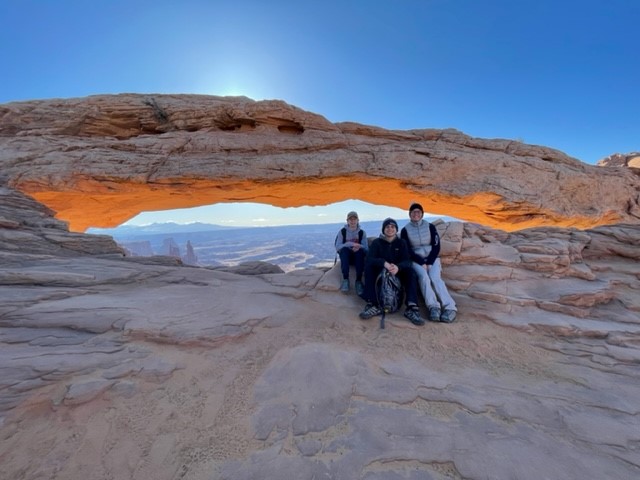
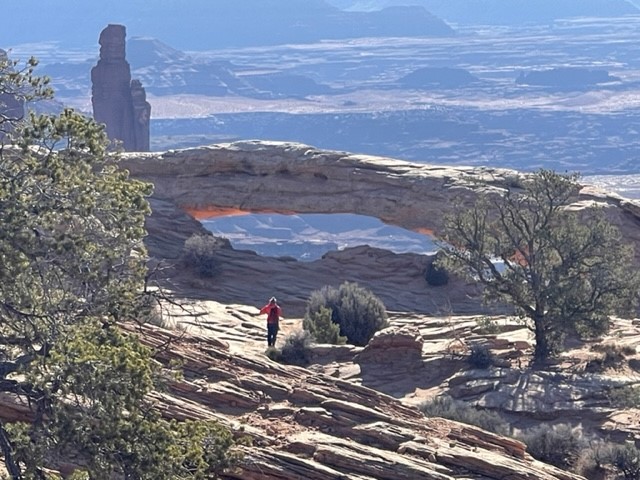
  • Mesa Arch- this is the one not to miss and also the one to do first thing in the morning as we got there shortly after sunrise making for some amazing views. We also noted that the lot was full and many people were trying to find a spot on our way out several hours later.
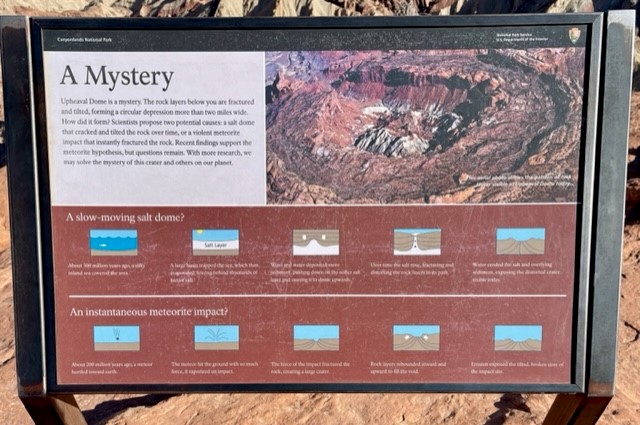
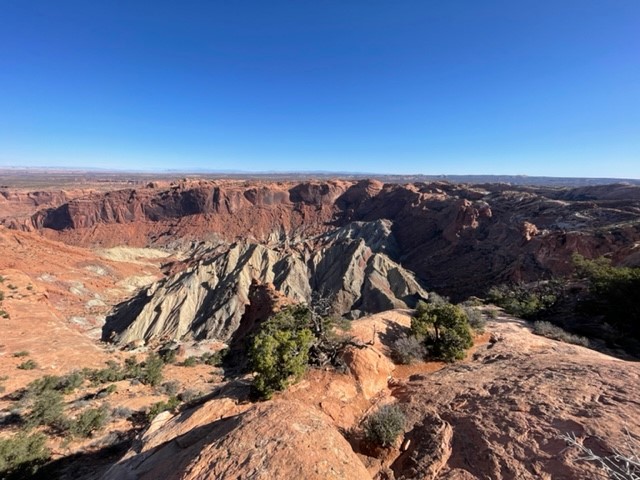
  • Upheaval Dome- This is the one to skip if you can’t do all three. It is a neat feature but not as fulfilling as the prior 2.

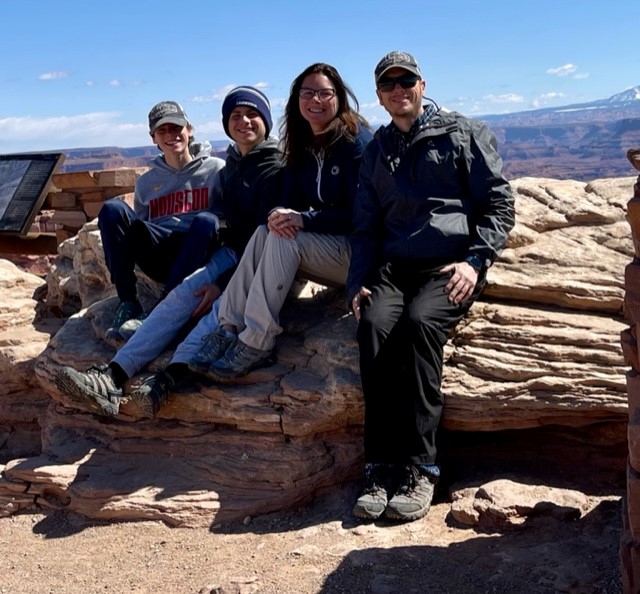
Each hike had its own beautiful vista or interesting rock formation at the end and I recommend all three to anyone able-bodied enough to make the treks. A reminder that will be repeated several times in the post is to stay on the paths as the native ecosystem is very fragile and steps in the wrong area can be devastating.

We also stopped at several vistas along the way

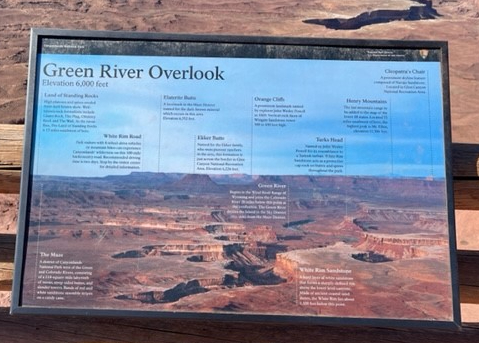
  1. Green River
  2. Buck Canyon
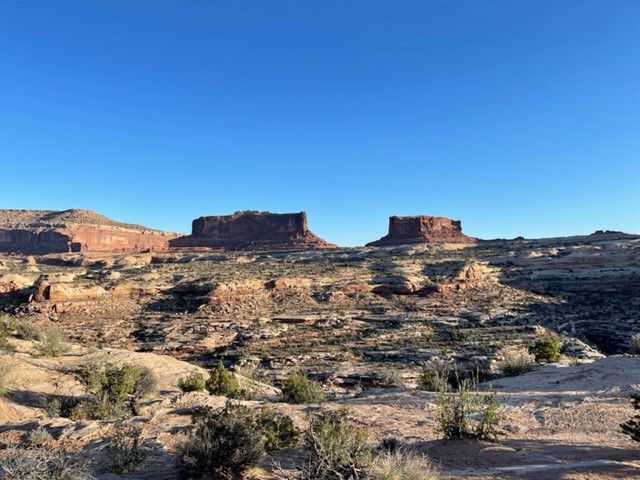
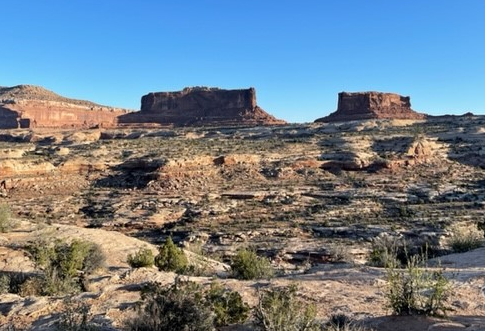
  3. Monitor and Merrimac
  4. White Rim
  5. Grande View Point

All the vistas had great views but Green River and White Rim were our favorites. Green River and the Orange Cliff overlook are supposed to be the best areas for sunsets and Canyonlands is supposed to be one of the best places to see the stars as it has almost no light pollution. Unfortunately, due to fatigue and planning we never got back for some stargazing but that’s firmly on the itinerary for the next visit.

All in all, Canyonlands is a park with marvelous views and many great hikes but is a most inhospitable place in comparison to parks like Yosemite, Arches, Yellowstone and Grand Teton. We had a great time and would return to do some of the more significant hikes. Additionally Canyonlands does not do timed entry so one can show up to the park as long as you have a pass 24 hours a day without advanced registration.

One word about the special ecosystem at Canyonlands, Moab and Arches. The sand is stabilized by Cryptobiotic soil and it is very important to not disturb this mix of bacteria and fungi that allow plant growth and generally prevent it from being a barren dust bowl. It takes 100 years for the symbiotic mix to grow one square inch and 1 step to kill it so it’s so important to watch where you step and stay on the path. A trip off-trail is devastating to this unique ecosystem, so don’t “bust the crust” and tiptoe around the crypto so future generations can enjoy this park in the best possible condition. You would be surprised that despite how many reminders were posted, folks were stepping all over this soil off-trail.

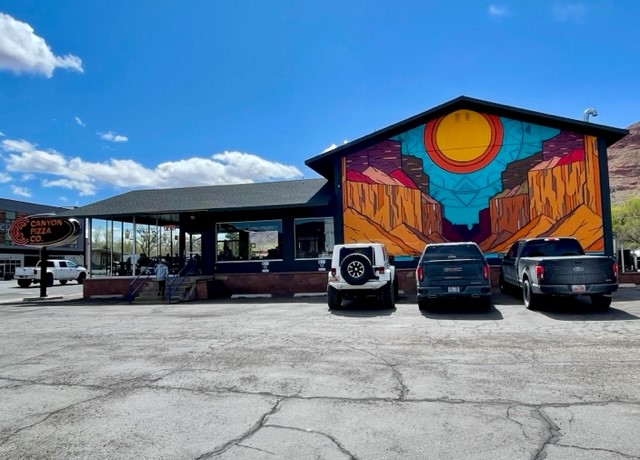
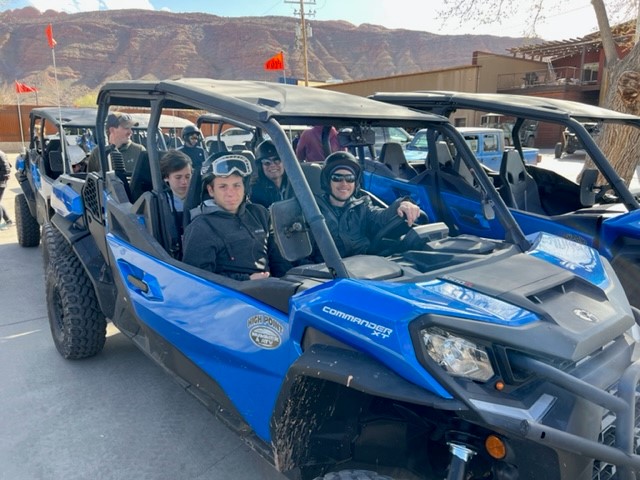
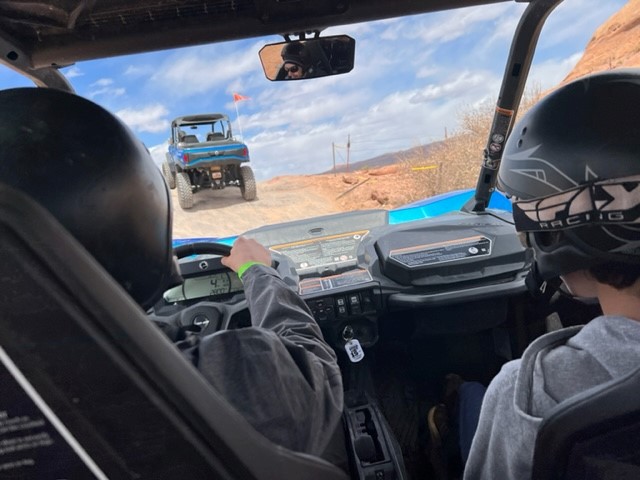
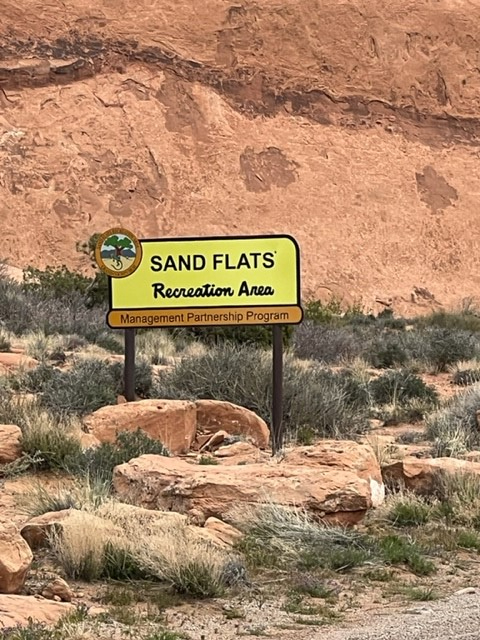
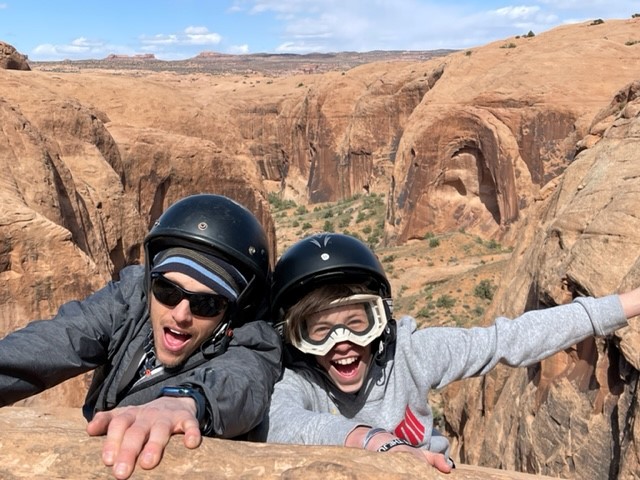
We worked up quite an appetite and decided to hit Canyon Pizza for some food prior to our UTV adventure with HighPoint Hummer and ATV. This trip put us behind the wheel of our own Can-Am 100hp Commander side by side to take on some rock features in Salt Flats State Recreation Park. Driving the UTV was a bit like a go-cart, albeit one with 4-wheel drive, and 14 inches of clearance, driven on some crazy terrain.

  I would say it takes 90% courage and 10% know-how, but 100% fun. It’s a safe vehicle if driven in the right place at the right speed and it really sticks to the terrain. We had Tim as our lead car/guide and he showed us the right route to take and gave us the confidence to slam the gas down and conquer the uphills. The recreation park is a true destination for Jeeps, ATVs, UTVs, mountain bikes, and canyoneers. The trails were marked with yellow diamonds so you could find the best line even without a lead driver as good as Tim. This adventure was amazing and got me juiced to try this again when we return. Definitely a must-do for those who like some adventure.

After the UTV adventure was done, we headed back to Under Canvas to play cornhole, and horseshoes, make some arts and crafts, and eat some dinner. We watched most of King Richard and hit the hay early as we had another full day ahead of us.

Day 6

We awoke early again to head out for a day of exploration and adventure. Arches currently works on a reserved ticket system April through September for entry from 6am-5pm. The park is open 24 hours a day and you may enter anytime between 5pm and 6am without a ticket. One side note: if you have a ticket to enter Arches you must enter in the hour window after the time on the ticket (i.e., if your entry time is 6am you must enter between 6 and 7 am). You can enter and leave right away to come back later. If, however, you just try to enter later than your one-hour window, you will not be allowed in. This is not written anywhere on the ticket, but is on the website. This fact would become important as our day unfolded.

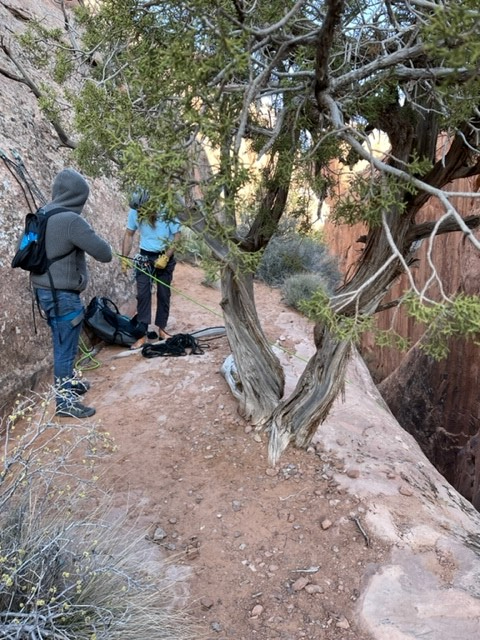
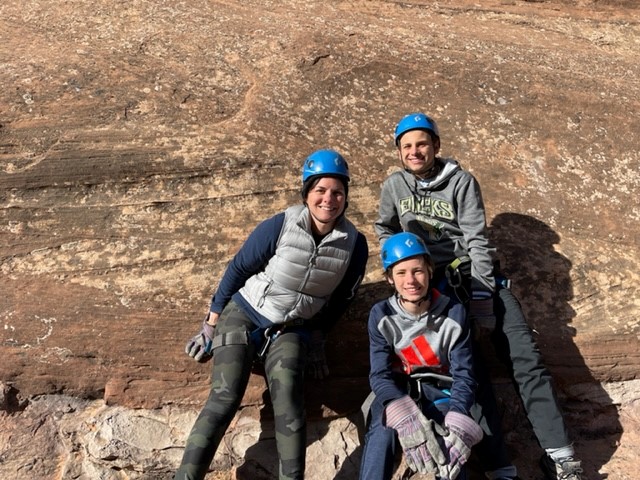
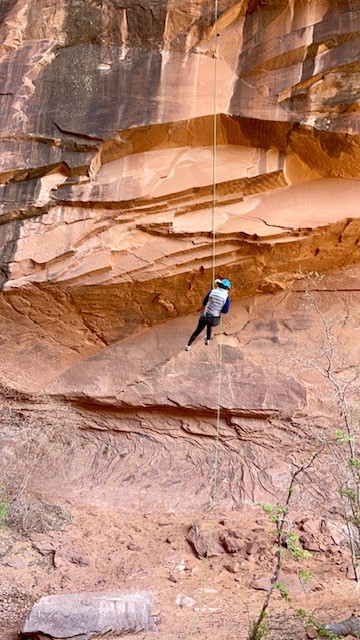
We went on a canyoneering expedition with Red River Adventures that explored an area past the salt flats called Ephreda’s Grotto. We did a 90 and 120-foot repel before hiking the marvelous Grand Staff Trail on the way back out. This trail was gorgeous, passing across a stream many times as we wound through dense vegetation and climbed over rocks.

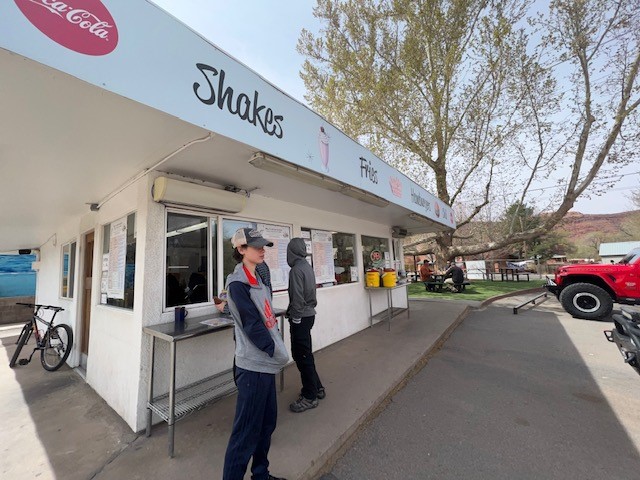
After a quick bite at Milts Stop & Eat (amazing burgers!) we tried to enter Arches on our 6am pass. Alas, as I alluded to before, we were denied entry. Upon further looking all we needed to do was enter the park on the way into town and leave immediately so we could reenter later. Live and learn for us, but hopefully, this will avoid you having similar issues in the future.

We headed back to the campsite to relax for a few hours and have some soup prior to entering Arches at 5pm, when tickets are no longer needed, to hike a bit and explore before heading to the Windows for sunset.

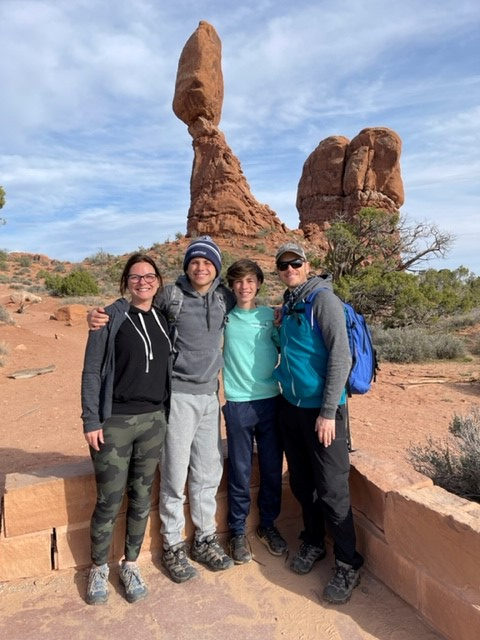
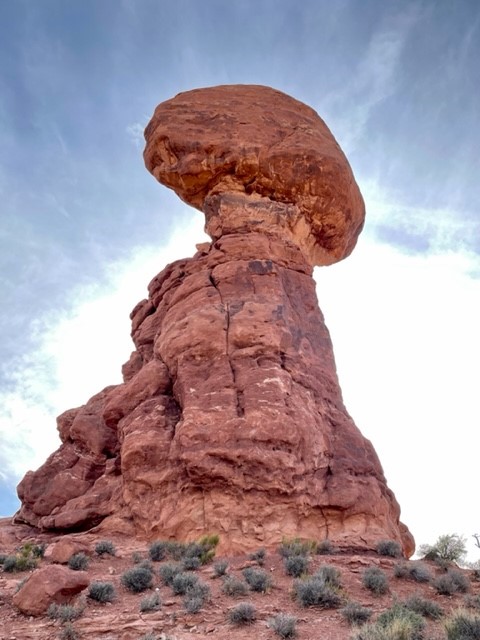
We stopped at the Park Avenue and Courthouse viewpoints for some great photos before doing the short hike around Balanced Rock. This rock is a hoodoo formation which means it is a more erosion-resistant type of rock that sits atop rock that has been eroded so it appears as though a larger boulder is sitting atop a column of smaller thickness. It was an easy but interesting hike to get things started.

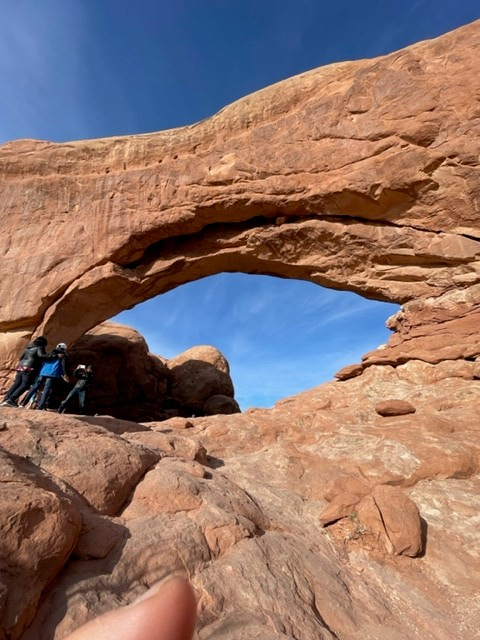
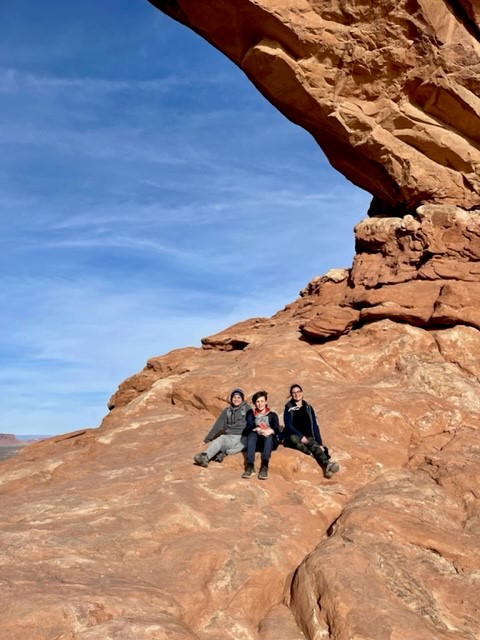
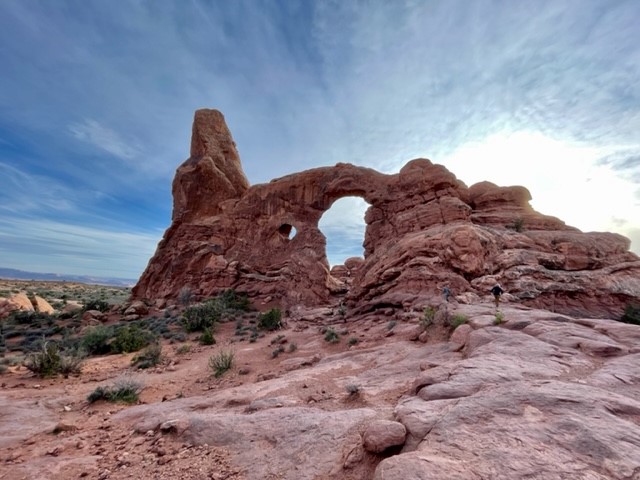
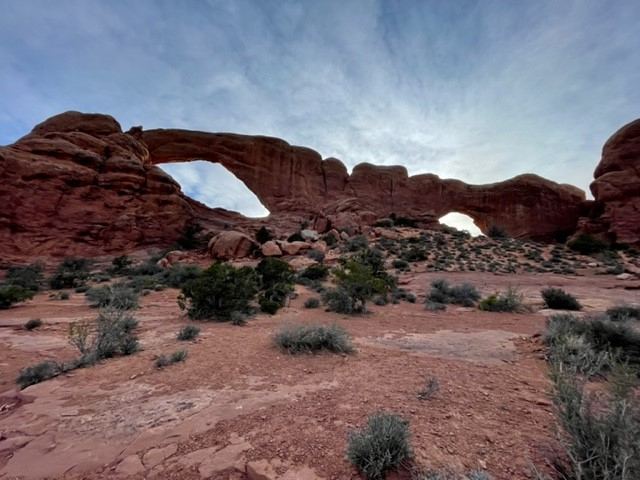
After Balanced Rock we headed down towards The Windows where we hiked the primitive trail around North and South Window and explored Turret Arch. These are three amazing arches that you can get up close and personal with, without having to do too much work. The primitive trail requires much more intensive scrambling over rocks than the more established trail that leads to the “front” of these structures but is well worth the effort for those capable.

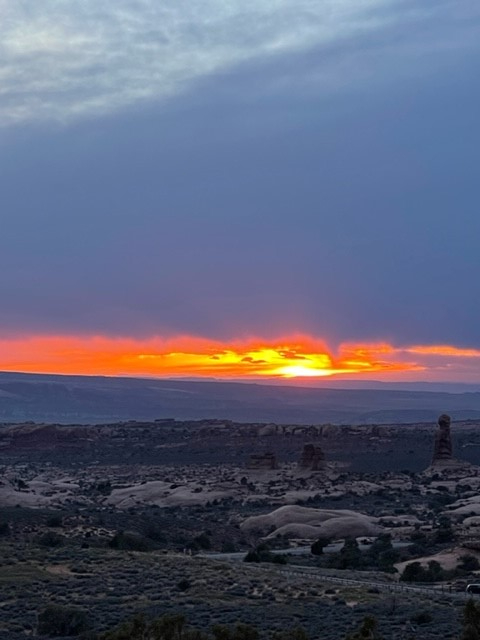
After sunset we took the short hike from the same parking area to Double Arch to catch some beautiful views before dark settled into the park. The night was hazy and a bit cloudy so unfortunately the sunset wasn’t as beautiful as we would have wanted and many fewer stars were visible than on a clear night.

We arrived home and quickly got ready for bed as tomorrow was a very early 5:30 wakeup call to make sure we got in the park for sunrise and got to our preferred hikes early so we had less people around when we arrived at our destinations.

Day 7

We awoke and got dressed quickly, again grabbing some tea and fruit on our way out to the park to compliment our snack supply for the day. We didn’t have headlamps, nor the energy to get in early enough to make it down a lengthy hike prior to sunrise so we stationed ourselves at the La Sal mountain viewpoint about 10 minutes from the entrance to the park to watch the sun come up. The La Sal mountains got their name as Spanish explorers couldn’t believe it was snow on the mountains and believed it to be salt there, thus “la sal” which is the salt in Spanish.

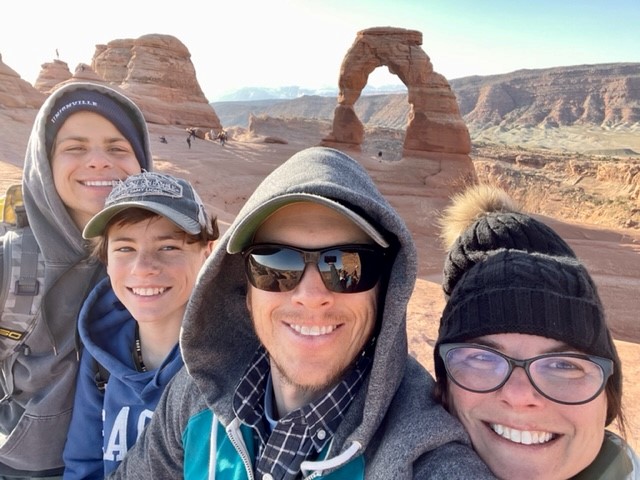
The sunrise was beautiful watching the valley light up and the shadows change as the sun rose over the gorgeous La Sal mountains. After the sun was fully up, we headed straight out to the parking lot to hike to Delicate Arch.

There are two ways to see the arch. One is to do a 45-60 minute hike from the main Delicate Arch parking lot or to drive to one of the two distant viewpoints that require a much shorter and easier stroll. If you are capable of doing the relatively strenuous uphill hike, it is well worth it, especially if you make it there early before the crowds are too large. Some times of the year sunrise is beautiful in this area but it really would require a headlamp as there are a few areas near the top that are narrow and require more than early dawn light to navigate safely. You could however start the hike just before sunrise as the first mile or so is well demarcated and has no real tripping hazards. Follow the signs closely as there are a few areas where one might make a wrong turn and have to back track. A few hints: take the left path as you climb the large rockface halfway through. Then when you come to a split in the path near the end take the path on the right.

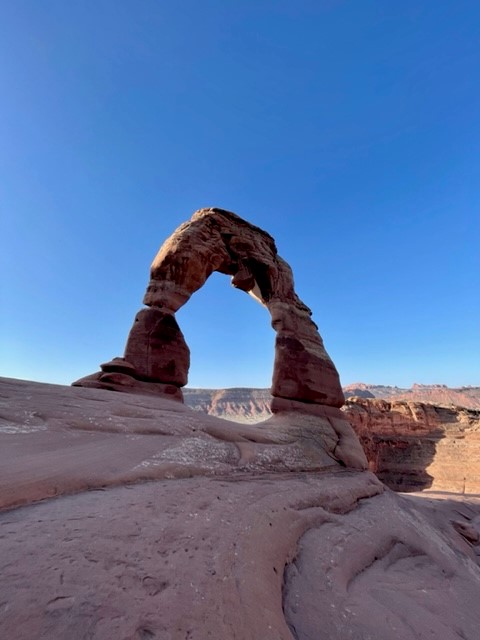
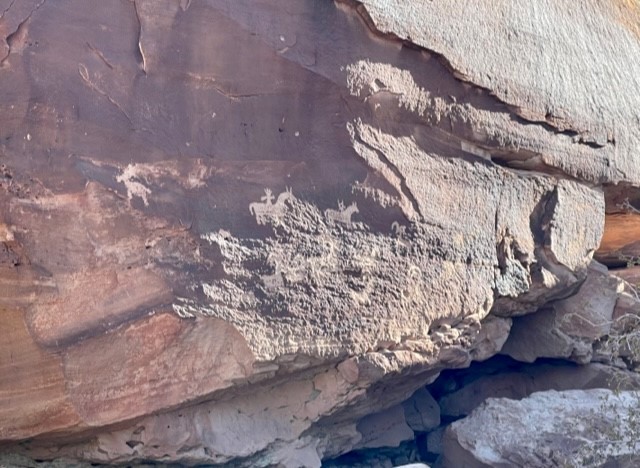
Delicate Arch is an iconic arch depicted on the Utah license plate and is really a symbol of the state of Utah. In my opinion, it is a must-do if you can while in Arches and well worth the hike. We were lucky to be nearly alone at the top as we got there early. It was quite windy and cold which I think scared a few people away. As we were descending though, numerous groups of people were coming up, so we got our experience just at the right time. If it feels safe, try and get a pic standing under the arch as it’s quite flat and not nearly as scary as it looks. Also, don’t forget on the way back to stop off to see the Wolfe Ranch and petroglyphs.

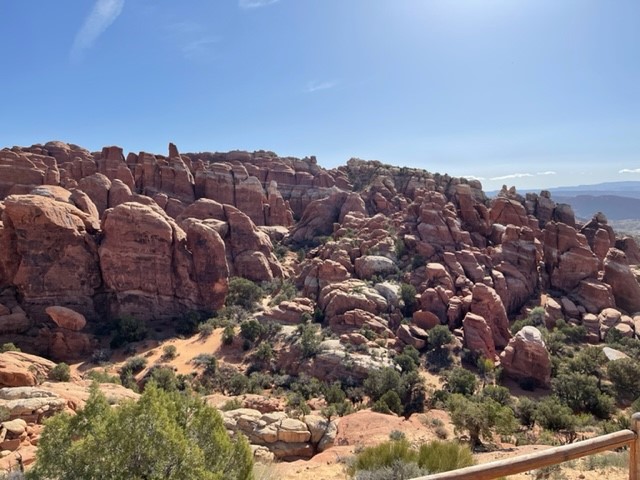
Fiery Furnace

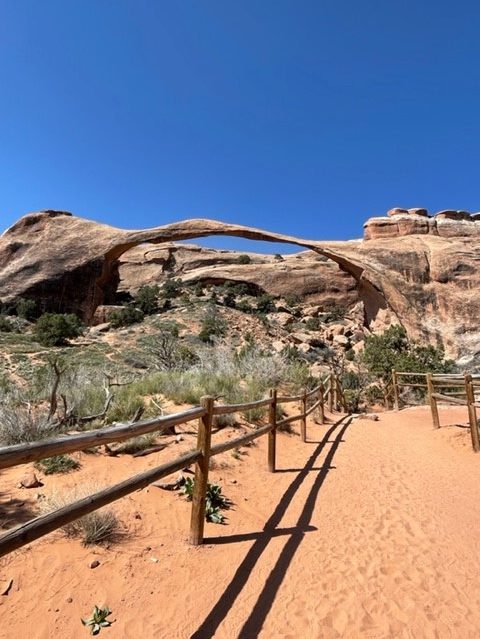
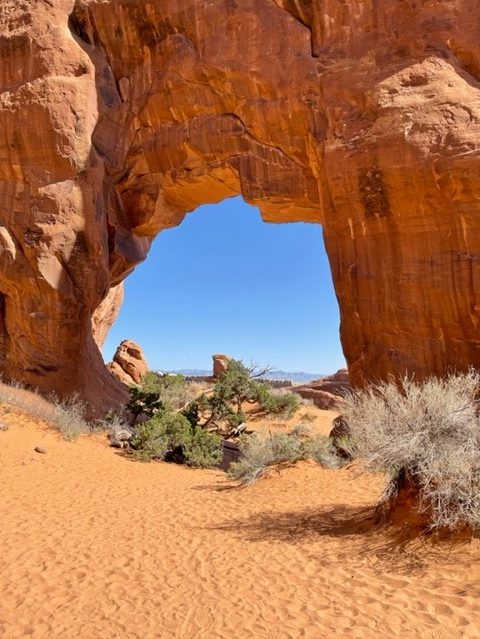
After Delicate Arch, we stopped at multiple viewpoints including the Fiery Furnace before stopping in the lot to hike out to Landscape Arch along the Devil’s Garden loop. We only went as far as the Landscape Arch stopping off at the side trails for Pine Tree Arch and Tunnel Arch before turning back.

The whole Devil’s Garden loop is about 7.5 miles and sadly we didn’t have enough time to hike the whole thing.

After a long day of hiking we headed into Moab for a great lunch at Antica Forma which was spectacular. We had a few pizzas and some appetizers which left us full and satisfied. We stopped at the grocery and purchased some hot dogs to cook at Under Canvas for dinner and to relax on our last day before we headed out to Salt Lake City.

After relaxing for an hour or so ,we showered and went out to play some cornhole and horseshoes again. That night they had live music at the site and we sat around the large firepit and talked to others. We shared stories of everyone’s travels and gave each other tips on what to do and not to do. There were folks from all over the country and many were starting or ending road trips. As the sunset, the temperature dropped and we turned in around 9:30 to grab a good night’s sleep and pack our bags for the return trip home.

Day 8

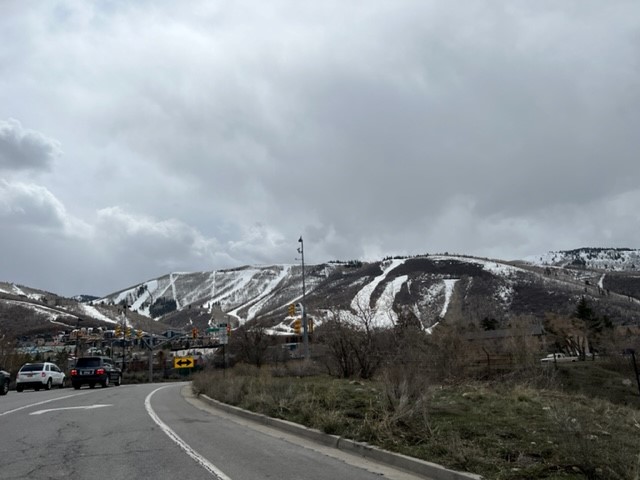
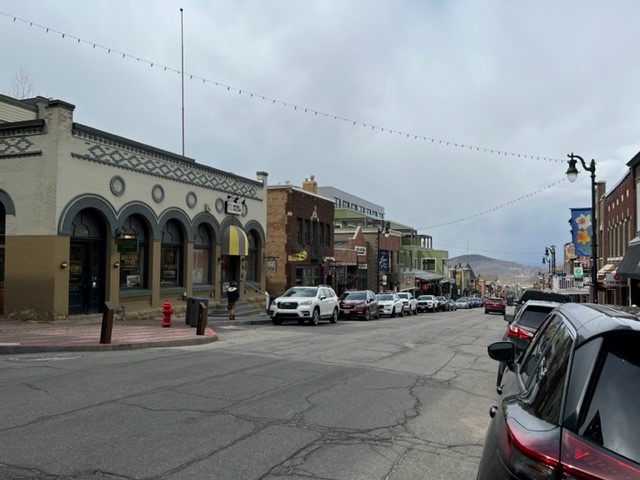
We left around 9:30 the next morning to head towards Park City where we stopped to explore a bit and grab some lunch at Annex Burger.

The food was fantastic as we all ordered the buffalo slider trio and shared some buffalo wings. After exploring the town, we hit the road and were off to Salt Lake City to get a good night’s rest before flying home.

We stayed at the Hyatt Place Salt Lake City/Cottonwood which was a great hotel not too far from the Salt Lake City airport. There were also quite a few places to eat within walking distance of the hotel. The lines at the airport were small and efficient and the rental car drop-off was at the airport making for a quick turnaround and allowing us to sleep in a little longer.

All in all, our time in the parks was spectacular and we had a spectacular trip out west.

This is definitely a trip we will do again as we saw so much but there is so much more to do when we return.

Our Trip to Sedona, The Grand Canyon, Monument Valley and The Four Corners

Like many across the world, we had a few vacations planned in 2020 that were cancelled because of Covid. A trip to the National Parks in Utah and Arizona was one of those trips, and now with the pandemic slowing down and the world slowly reopening we put it back on the books.

We flew out of Philadelphia directly to Phoenix without a hitch. When we hike or do vacations that don’t involve fancy culinary experiences, we try to pack light. This vacation only required one suitcase for the adults and one small hiking bag per child. Layers are pivotal, as the temperature this time of year was in the 90’s upon landing in Phoenix, but would dip to the low 30’s for many of the mornings in Utah . We went to Budget to pick up our FastPass rental car. This program is supposed to allow one to pick up their contract and key at a kiosk and be on their way in minutes. Instead, at this Phoenix location we had to stand in line for an hour, only to be told our car had yet to arrive. I was told I would have to wait and to step aside. The attendant was very rude which was a shame because when we used Budget at many other airports this was not our experience. We rented a Nissan Pathfinder so we had plenty of room and oomph for what the trip would require. We stopped at Topshelf Mexican Cantina for a bite on the way to Sedona as we were all hungry (many of us hangry!) and frustrated from our rental car experience. The meal had generous portions and definitely gave us a chance to regroup.

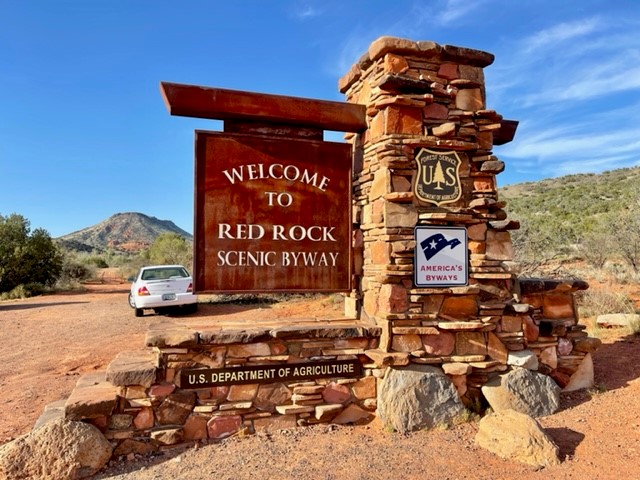
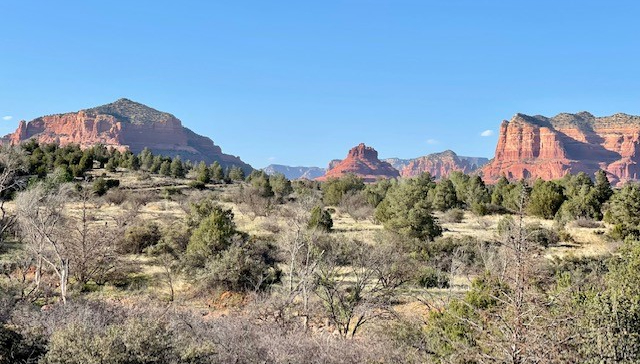
We then drove to Sedona with some stops along the way to take a few photos of the Red Rocks and some of the must-see spots like Bell Rock and Courthouse Butte on our way into town. We also took a spin into the Cocino National Forest Ranger Station to grab some views on the way into town. While the station was not open (it was late on a Saturday), there was still some great signage and good photo ops.

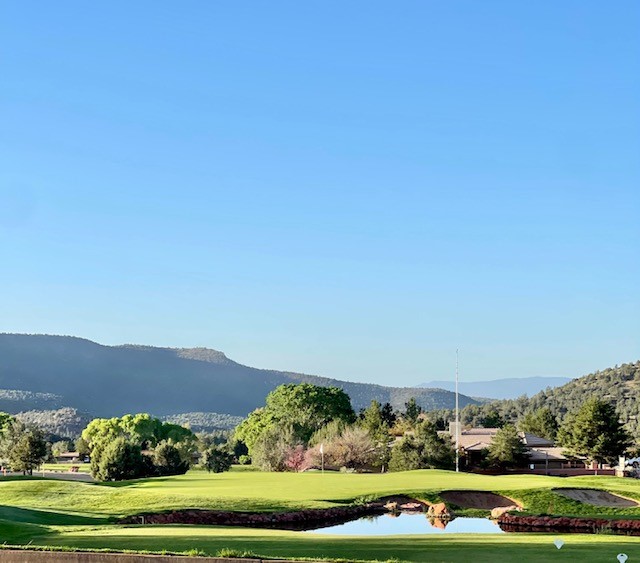
We stayed at the Hilton Sedona Resort at Bell Rock. The resort also has a beautiful golf course with stunning views of the surrounding landscape.

We booked a junior suite as the prices were affordable and it gave us more room to spread out. It had a small kitchenette and dining area, as well as 2 queen beds and a comfortable pull-out sofa. We had stayed here without kids 16 years before and were happy to see it had been well maintained over the years.

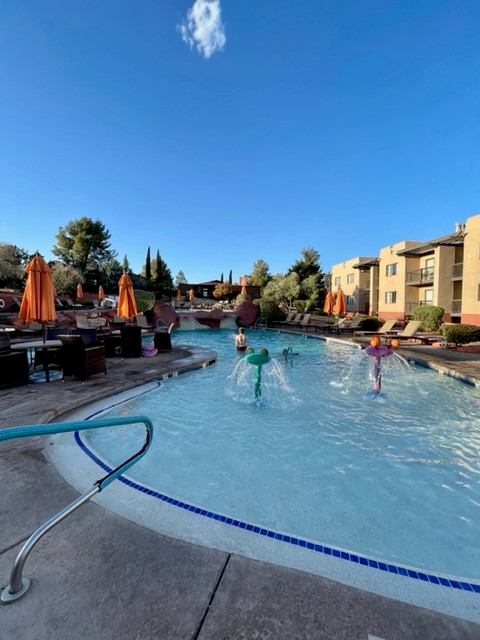
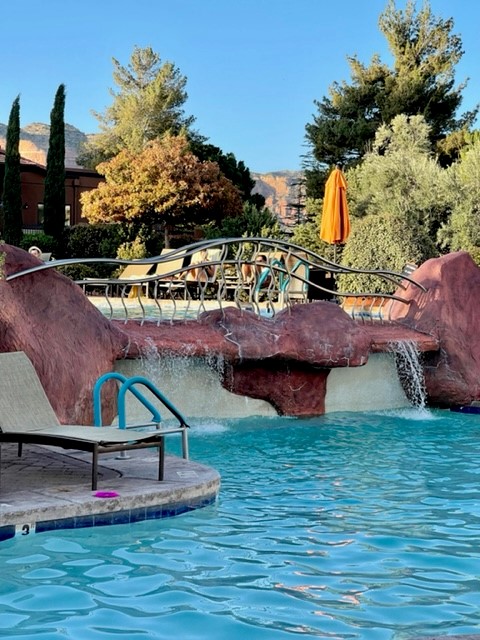
We dropped off our bags and headed to the pool for some relaxation.

One will quickly notice that all buildings in Sedona are no more than 2 stories and painted bland colors to blend in to the surrounding landscape. It was early to bed as we had a Pink Jeep tour planned the next day and were exhausted from our travels. The location of this hotel is great as it is just outside the main town, but in the years since we first visited, they have built a small shopping center at the entrance which includes a restaurant, an ice cream shop, a wine bar and other sundries.

Day 2

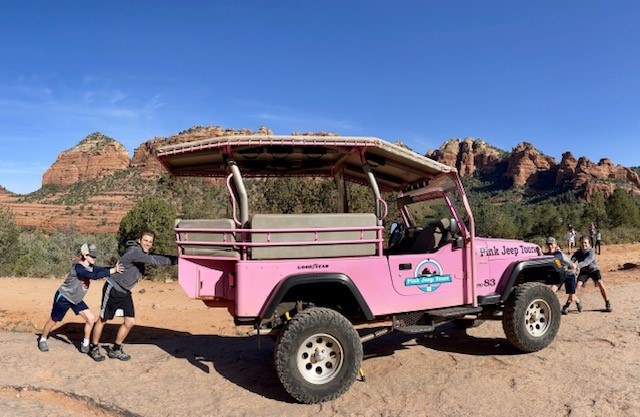
We awoke bright and early with the 3 hour time change helping our teens not complain too much! We grabbed a quick breakfast to go before heading off to uptown Sedona for our Pink Jeep tour. We booked a combo tour that did both Scenic Rim Road and Broken Arrow Trail (the Pink Jeep signature tour). Both of these tours are rough and bumpy so those with bad backs, that get car sick easily, or that are looking for a smooth ride, should try one of their other several tours that are much easier on the bumps.

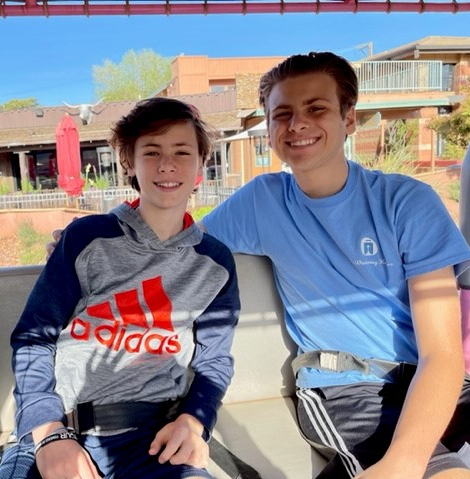
We boarded our Barbie jeep with our guide Lyndi (nicknamed Lyndiana Jones) for our adventure. We started with a 40 minute or so climb up the scenic rim through switchbacks, bumpy roads, and beautiful scenery until we stopped near Merry Go Round a Rock (a popular but remote site for weddings) for a few photos and to use the “treecilities” (our guide’s name for “going” in the woods).

Then it was back in the jeep for some more beautiful views and to take the short hop over to the 4 wheel drive paradise of the Broken Arrow trail. We did a few smaller rock climbs before stopping at Chicken Point for a few more photos. I cannot explain how beautiful the views were from not just here, but everywhere. Our jeep had broken its rear sway bar somewhere along the scenic rim so we called in for a new jeep. This bought us some more time to explore and enjoy this beautiful site and experience some of the Vortex energy that Sedona is known for.

We also saw the white line. This is a place where “crazy” mountain bikers come to literally ride their bikes on the edge of a mountain. I’m not sure I would hike it, much les ride a bike on it, but to each there own. (Supposedly there are YouTube videos you can find to see what we mean.) Unfortunately no one was riding it the day we were there. The Pink Jeep folks brought up a larger jeep and some cold waters for us to finish the trip. The mechanic who brought the new jeep up brought all they needed to fix the jeep right on the spot. What a great place to do some repair work. After leaving Chicken Point the real 4-wheeling began, with multiple climbs and descents — the best in my opinion being Devil’s Staircase (a several hundred feet descent down multiple “stairs” of rock at a near 40 degree angle).

After leaving the Broken Arrow trail we headed back to home base to say goodbye to our guide and grab some lunch downtown. There is a place called The Vault very close to the pink Jeep tour home base that has great food and amazing views from the patio. What a magnificent place to catch a bite and talk about how amazing the day had been already.

After lunch we headed up north of town to Slide Rock State Park. This is a state park, but make sure you mention you have a National Park Pass so you don’t have to pay for parking. Slide Rock is a natural water slide with multiple pools along a river that allow for some fun in the sun. It was not too crowded the day we went but one can tell by the size of the parking lot that late comers may be turned away on a busy day. I think this is a must do for anyone who is a kid at heart, but be warned, at least in April, the water is cold so its best to just do it and then keep doing it till you get your fill as getting “used to the water” is brutal the first time. We all went 4-6 times in a row then warmed up on the shoreline in the sun. There is also a story of the person who settled the area with an apple orchard and has old farm equipment buildings and bathrooms so its more than just a slide. What cool place!

After warming up and drying off with our small absorbent and quick drying travel towels it was off to Grasshopper Point for some cliff jumping. This is a National Park frequented by the locals and the walk down to the river and jumping spot is less than .25 miles and well worth it if you like some adventure. The parents stayed ashore and took video of the kids jumping from the highest spot we would recommend (the youngest touched bottom from the upper level). There are bathroom facilities here as well, but it is clearly a spot the locals love as there were 100 people spread along the rocky shoreline eating and enjoying themselves.

After a number of natural thrills, we headed down the road to the Mesa Airport loop to hike to another summit and vortex area. There is a smaller lower parking lot right by the vortex but it is often full. One can drive up to the airport (you heard that right there is a private airport on top of a mesa) to park for 3 dollars. The pass is good all day and many return or show up near sunset as it is supposedly the best sunset spot in all of Arizona. We parked up top as the lower lot was full and walked across the street to the scenic overlook. After snapping a few gorgeous photos of the valley and Sedona we headed down the .6-mile hiking path to the vortex.

It is quite rocky so for folks who are unsteady on their feet, maybe drop them off at the lower lot and park at the top and hike down to them. The hike is gradual but like all things in life, what goes down must come back up, so save some energy for the short, but uphill, climb back to the car.

The summit of the vortex is very doable for most as there are natural stairs most of the way and a metal railing the rest of the way to the top. At the top it is fairly flat but has a steep drop off in most areas so watch little kids and pets. (Our eldest saved a pup from going over the edge when the owner wasn’t looking!) We, along with several others, took some time here to meditate and contemplate in what is one of the most beautiful surroundings I have experienced.

After hiking back up to the car we decided to make one more stop at the Church of the Holy Cross. It was funded by Marguerite Brunswig Staude and completed in 1956. It is an amazing place where one, regardless of religion, will find themselves feeling closer to “god and nature”. Definitely worth a stop and even more meaningful on Good Friday. After a long day of exploring, we stopped for an ice cream on the way to the hotel and then hit the hay early knowing we had another long but enjoyable day ahead of us.

Day 3

We were up early again to pack up and head out towards the Grand Canyon and eventually land in Monument Valley at Goulding’s Lodge. Before we laid our heads on the pillow though, we had some amazing adventures in store.

As we headed out of Sedona on the way towards Flagstaff we paused to take some photos of the beautiful bridge spanning Oak Creek Valley. There is a small parking area that is quite full most of the day but at 7am it was empty so we could take a quick photo and with a short walk down a few steps, get a view of the sunlit valley.

After the photos we headed up towards Flagstaff but decided instead of exploring downtown Flagstaff to take 40 west out to Williams to explore one of the few places with the original Route 66 intact. This is also a place where one can drive north towards the south rim of the Grand Canyon so it fit our plans perfectly. Williams was a quaint, old-style town that felt like stepping back in time. There were a few gas stations, numerous diners and stores with Route 66 paraphernalia, and some places to explore. You can also board a train here to the Grand Canyon. We ate at Anna’s Place Grand Canyon Café where the food was fantastic. It was originally a brothel but is now a cute diner with excellent food.

After fueling up for the day it was time to make our way to the South Rim. We again relied upon the Gypsy Guide to help us maximize our time and also learn about many of the stops along the way. We made stops at Mather Point, Yavapai Point, the Hopi House, El Tovar Hotel, and drove the Village Circle before heading out the Desert View Drive toward the east entrance of the park. As you can see from some of our photos, it was a really windy (and that’s an understatement) day!

Along the way we stopped at Duck on a Rock, Grandview Point, and Moran Point before exiting the park on our way to our next adventure in Antelope Valley.

We headed out toward Page for our slot canyon adventure with Ligai si Anii Tours. Before we discuss this wonderful adventure let me first give you a few tips: (1) we did this tour on the spur of the moment and really lucked out getting a reservation. Because the canyons are on a Navajo Reservation, you need to have pre-booked your tours. Many of them were sold out and sell out very early, especially if you actually want to go down into the base of the canyons. (2) Watch out for time zone changes! We had a 3 o’clock tour and thought we had left plenty of time but when we put the trip in Google it had us getting there an hour later than we planned. We high tailed it down the road skipping a couple stops along the Devil’s Overlook road to get there “on time”. When we arrived we were over an hour early. Turns out your phone may try and use Utah time for the Reservation as it’s very close to Utah, but they used Page, Arizona time. Just an important thing to consider when booking an adventure – make sure to clarify what time zone they use.

The people at the tour company were fantastic and were able to put us on a 2:00 tour so we could avoid sitting in the car for an hour in the wind. (More on the wind later.) The tour company supplied us with bottles of water, which we desperately needed as although we all took refillable bottles with us and refilled several times, the elevation and dry air and exertion really sucks the water out of you. The first part of the journey was a ride out to the canyon over scrub plains. When we arrived it didn’t look that special, but once we descended, we saw the skinny entrance to what was a thing of natural beauty.

Our Navajo guide was fantastic! He explained the development of the canyons as well as the ways that the native peoples used the land. He also explained what plants they use for medicinal and special purposes as we walked by many on our way to the next slot canyon. Both canyons were created in a similar way, but each had its own unique beauty. There was just something peaceful and spiritual about standing in one of nature’s marvels with the sun and sky visible through the slit in the ceiling. After an hour or so of exploring we headed back to the car. It had been windy when we left the Grand Canyon but the wind had picked up substantially to 50mph gusts. We all remarked how we felt like we were on Tatooine or Dune from the famous sci-fi movies because dust was blowing so hard everywhere that you had to cover your eyes and keep your mouth closed. This was but a prelude for things to come.

After using the facilities and thanking our guide again we were off to Goulding’s Lodge our home for the night. We stopped at a general store along the way for some drinks, water, fuel and a few snacks but we were all waiting for Dorothy to go by in her house on the way to Oz. (A quick tip – if you see a gas station or convenience store – stop. They are few and far between in this part of the country.) The drive to Goulding’s was a first for me as I have driven in driving rain, snow squalls, and blizzard-like conditions but sand and dust blowing so hard you had almost zero visibility for periods was a new one for me. It was truly an other-worldly experience.

We finally arrived safe and sound, but full of red dust at Goulding’s where we grabbed a quick bite to eat at the hotel’s restaurant. Several of us ate the Navajo Taco which was huge and amazing especially after such a long day. Then we headed to our villa in the shadow of Monument Valley. If we hadn’t had so much dust, I am sure the view from our porch would have been spectacular. We all took showers that made the water run red from dust and hit the hay early after another enjoyable day.

Day 4

We were up early to grab some breakfast and groceries at the Goulding’s Grocer (which by the way was convenient and very affordable) before heading out to explore the marvelous Monument Valley. We had initially booked a tour with Monument Valley Safaris but decided to cancel since the weather did not look particularly favorable. The company explained what the conditions would be like (cold and windy) and offered us a full refund which I felt was very fair. We had to make a game time decision and decided to drive the loop ourselves as on the horizon appeared to be another dust storm coming directly towards the valley.

A little more about Monument Valley. We stayed at Goulding’s which is just a 5 minute drive from the visitor’s center where the tours meet before heading out. Admission is 20 dollars for a car of 4 and is good for two days. The visitor’s center has nice bathrooms and a large gift shop to explore. We headed down the valley drive and stopped to take photos of the different rock formations as large snowflakes fell on the car. The visibility wasn’t great to start but miraculously halfway around the drive, instead of a massive dust storm, blue skies and sunshine prevailed making the rest of the drive beautiful. We stopped at a Navajo arts seller at the Mittens Vista and purchased a few bracelets.    

All in all, we were happy to have saved the money and time as we saw nearly the entire park, except a few special areas only the tour can go to, and it allowed us enough time to head out to the Four Corners which was a bonus destination we had decided to skip for time purposes. Though we were sad to have not heard the stories of how the people use the area I feel a tour may not be as worthwhile here as at other areas.

Four Corners is the place where the borders of Utah, Arizona, New Mexico and Colorado all meet. It like Monument Valley in that it is part of the Navajo Park area so the National Park pass isn’t good here either. It is 5 dollars per person. We were glad to visit, but it is really just a monument where the states meet with a few vendors and only needs about 20 minutes to explore. (But is quite a drive out of the way to get there.)

All in all, It was a wonderful first 4 days and we couldn’t wait to start the next leg of the trip exploring Arches and Canyonlands National Parks.

The Margaritaville Resort Times Square NYC and 2 Great Shows

We recently had a chance to hit the City, and by City I mean New York City (NYC). We stayed at the new Margaritaville Resort Times Square at 560 7th Ave, New York, NY 10018. From the rooftop we could see down to Times Square and the New Year’s ball. The hotel is right in the midst of it all and has multiple restaurants and bars for one to enjoy. The rooms are well appointed and quite sizable for NYC hotel rooms.

While there we saw two shows: Plaza Suite with Sarah Jessica Parker and Matthew Broderick and Wicked. We also as visited the Friends Experience, Ellen’s Stardust Diner, Mediterraneo (a fabulous Mediterranean restaurant), Cafe Un Duex Trois (not once, but twice) and Rosa Mexicano. One tip– we used Parkwhiz to book a parking spot in advance of also assured we got a spot close to the hotel.

We arrived in NYC around noon and checked in to the hotel before heading out for a bite at Mediterraneo on the Upper East Side. The food was fantastic and the walk back was wonderful in the sunshine near Central Park.

We stopped at The Plaza Hotel for a glass of champagne before finishing our walk back to Margaritaville. The Plaza is beautiful and the cocktails were amazing. It also held special meaning as we were seeing Plaza Suite the next afternoon.

After dropping our stuff in the room and relaxing for just a bit, on the spur of the moment, we decided to take a taxi down to the Friends’ Experience. Anyone familiar with the show knows that it is full of meaningful episodes and props unique to the show. This experience, which takes about 1 hour, is full of real and re-created props from the show. The admission price also includes photos that are sent for free and taken by staff at the major areas of the experience. You end in a re-creation of Central Perk where you can even buy a coffee. It was a ton of fun. They also offer The Friends’ Experience in Denver, Washington DC, and Phoenix. After finishing up we took a stroll through Manhattan back to the hotel and hit the rooftop bar for one more drink and some small bites before turning in for the night. What a first day we had already.

The next morning, we went down to the breakfast area for a quick drink prior to heading out to find brunch. We were a bit slow getting going and ended up missing out on our original reservation at Cafe Un Deux Troix, but were lucky to find a relatively short wait at Ellen’s Stardust Diner. We had wanted to eat there for a long time so here was another surpeise treat. At Ellen’s the wait staff are all aspiring Broadway actors and singers. They take your order, bring you food, and put on amazing musical numbers in between.

Many (18 in 2019) make it to Broadway because of the preparation they get performing and the special support fund Ellen’s collects that is used only for dance, singing and acting classes. The food was great and the entertainment even better. I think our waiter won’t be there long cause Broadway is calling soon.

After lunch we took a walk down towards the Hudson Theatre that was housing the limited run of Plaza Suite. We arrived a bit early so we stopped at Cafe Un Deux Troix (only 2 doors down) for a drink prior to the show. Now it was off to Plaza Suite.

Plaza Suite

We had wanted to see this show prior to Covid and as with many shows it was suspended. This was the main reason to be in NYC this weekend, but we were making the most of it otherwise. We were lucky enough to catch the performance before both main actors tested positive for Covid just days week later and had to cancel several performances. Both Broderick and Parker play 3 characters each in this 3 act play based in the same suite of the Plaza. It takes you on three different journeys, one in each act, of different experiences had while staying in suite 719. The play was exceptional, and Broderick and Parker truly shined. I would definitely recommend it to anyone, but time is running out so grab your tickets soon.

After Plaza Suite we took a walk down to Rosa Mexicano for a wonderful meal and to fuel up for our walk back to the Gershwin Theatre to see one of our favorite musicals — Wicked.

Wicked

For any of you who have seen it “Amazing, right?” For those of you who haven’t, it is truly amazing and one not to miss if you get the chance. The musical follows the life of the wicked witch of the west from her birth to, well, you need to see the musical to find out. The music is amazing, the sets exceptional and the overall experience well worth the price. The two main characters, Glinda and Elphaba, were played by exceptional actresses which makes all the difference in this play as we have seen it 4 times and it’s always good, but when they have the right chemistry it goes to another level.

After Wicked finished, and as it was on our way back, we popped into Un Deux Troix for one last drink and to see if Broderick and Parker stopped in for a drink as they are apt to do after shows on the weekends. Alas, no star power this night but on the way back I did spot Taylor Tomlinson, one of my favorite comedians. I was respectful and let her be but at least I saw someone I think is great in the city that never sleeps (LOL).

We awoke Sunday still singing and remarking on what a wonderful time we had and questioning why we don’t make it to NYC more often. I will say when we return, we will stay at the Margaritaville Resort again. It is right in the middle of everything, has tons of bars and places to eat right within the Hotel, the rooftop pool was awesome and not only is it great for couples but very family friendly as well!

Amazing Food and Drink in the Napa Valley

We previously posted on the various Napa Valley wineries we visited when we last visited the area, as well as how to plan a trip to Napa. The agricultural diversity of the Napa Valley is considered by some to be “God’s gift to winemaking” and although it is known for its wine, it also has an amazing food scene and sports many luxury accommodations. There are 4 Michelin one-star rated restaurants and one three-star — Thomas Keller’s (no relation, unfortunately) The French Laundry. Additionally, twenty-five restaurants carry the Bib-Gourmand or L’assitte rating. There are also numerous luxury accommodations of which we were lucky enough to stay at three. We tried to get a reservation at The French Laundry but with a party of 2, the spots were limited. It sounded like a trick would be to find at least a party of 4 to increase your chances of securing a reservation as there were plenty of reservations for tables of 4 and 6 even after the tables for 2 were sold out.

As far as food goes, we found that 2 meals a day were perfect, especially with the small bite pairings many of the wineries gave along with their tastings. Some of this was also likely due to us being from the East Coast and the fact the 3-hour time difference made our 1 o’clock lunches feel like 4 o’clock dinners.

We decided to go with three locations for our hotel stays. We started in Calistoga where we stayed at Solage Auberge for 3 nights before moving to the Hotel Yountville for 1 night then onto the Carneros Resort for 3 nights.

Solage, an Auberge Resort in Calistoga

When we booked this resort, we were deciding between the new Four Seasons Napa Valley and the Solage. They are directly across the street from each other but due to the reputation of the Auberge resorts in the Valley and the fact that Solage has been around for a while we chose to stay there.

We had a studio cabin with a private patio, a separate tub and shower, refrigerator, fireplace, soaring ceilings, and a Nespresso machine. It was incredibly comfortable, romantic, and quiet.

The first night we ate at the Solbar (the resort’s fine dining establishment) for dinner. We were lucky enough to take advantage of an “open that bottle” event the sommelier was promoting as it was the last weekend in February. This special event allowed us to taste a glass of a 1993 Seavey Cabernet. The “open that bottle” idea was started by the New York Times. The idea is if one has an older bottle of fine wine, they tend to hold onto it for a special occasion. Needless to say, the older the bottle becomes the more “special” the occasion needs to be to justify opening the wine. Many wines end up aging past the best drinking period, thus wasting a magnificent wine. This effort encourages wine drinkers and restaurants to open their oldest bottle the last Saturday of the month.

For dinner we shared the roasted octopus and Santa Barbara Sea Urchin. These were both delicious and it was our first-time having umami. I have to say we were pleasantly surprised at how much we enjoyed the sea urchin. We ordered the Crab-o-nara and pan roasted cauliflower for our entrees and were incredibly happy with the size of the portions and how tasty both dishes were. The presentation of the food was also five star.

The restaurant was cozy and relaxed, and the service was fantastic as well. We were lucky enough to score an interesting half-moon booth near the back where we could take in the entire ambiance of the restaurant. After dinner, full and tired from a long day of travel, we headed back to the room after stopping for a moment at the huge firepit to watch the night sky before going to sleep.

We had in-room dining from Solbar each morning calling at 7 when they opened (being on East Coast time still, we were often up at 4 am, so breakfast couldn’t come soon enough). While waiting for our breakfast to arrive, we would relax on the porch, have our morning coffee and tea, and talk about the adventures for the day. It was an exceptional way to start the morning. We had the chilaquiles rojos and breakfast platter all three mornings, as they were delicious. We also had the delicious handmade donut holes twice as well, saving some for lunch or after-dinner snacks.

We spent time at the adult bathhouse, a free amenity for guests to use and full of fantastic experiences. The Bathhouse has three different temperature larger pools, two small cold plunge pools of different temperatures (50 and 65 degrees F), and two saunas. Each pool and sauna had different mineralities, aromas and humidities allowing for everyone to rest, relax, detox, and recuperate. There is also an amazing spa with many treatments, as well as a great juice bar, so you have something healthy to sip while you relax.

The resort pool area contains a nearly Olympic length pool, 2 hot tubs, as well as two bocce courts and three cornhole setups. The pool area also contains the new Picobar where one can get bites and enjoy a drink while watching a game or taking in some sun. The only downside to the Picobar was that it had very limited hours and often closed by 5pm. It would have been a great little bar to get light snacks and drinks at the end of the day.

Brian Arden

On our first full day in the Valley we enjoyed the Chef’s Tasting at Brian Arden. We discussed the winery in our earlier post. The husband/wife-owned winery does a food pairing lunch in a special tasting room with an open kitchen.

The food was spectacular and paired excellently with the food. The chef engaged with us individually and really made the experience wonderful. It is definitely well worth getting this on your schedule. This is also an amazingly private way to experience the beauty of the region and learn about the wine. It was also only eight hundred feet from the Solage so we could walk there and back — an added bonus when consuming the larger portions of wine afforded by the lunch tasting.

Oakville Grocery

The day we spent tasting in Oakville (Opus One, Silver Oak, Far Niente) we made a pit stop between Far Niente and Opus One (close enough to the grocery to walk) at the Oakville Grocery for a flatbread and sandwich.

This place is amazingly well equipped with food, outdoor dining space, a pizza oven, full sandwich area, ice cream stand and full-service wine, beer and spirits. Definitely a must-do while visiting the Oakville area. There is also a grocery in Healdsburg if you find yourself out that way. There is a museum also on the property with a separate wine tasting room, but unfortunately, we did not have time to check it out. That will be on our list for next time.

Auberge du Soleil- The Restaurant

Founded in 1981 by visionary French restaurateur, Claude Rouas, as Napa Valley’s first fine-dining establishment, The Restaurant has maintained its legacy as a “must experience” culinary destination for more than 40 years. Executive Chef Robert Curry sources the freshest ingredients from local purveyors, harvested at their peak of flavor to create delicious dishes that showcase the region’s best seasonal ingredients.

The restaurant at the Auberge du Soleil has had a Michelin Star award for fourteen consecutive years, won the Wine Spectator Best of Award of Excellence 2021 Logo, as well as the Forbes 4 Star Travel Guide 2021 Logo. Robert Curry has served as Executive Chef at Auberge du Soleil since 2005, overseeing the culinary program at The Restaurant, Bistro & Bar, and Private Dining. His experience in the traditions of California and French cuisine inspire the menus at Auberge du Soleil. Curry began his career in LA at Ma Cuisine and Wolfgang Puck. He received his degree from the Culinary Institute of America, Hyde Park, and went to work for Citrus Restaurant in New York after graduation. He travelled to France and worked at Hotel de Paris, Moët & Chandon Résidence de Trianon in Epernay, and in Paris at the two-star Michel Rostang. He then served as Executive Chef at the Wine Spectator Greystone Restaurant at the CIA in St Helena, California, and at Domaine Chandon in Yountville as Executive Sous Chef then as Executive Chef before arriving at the Auberge in 2005.

We were excited to eat lunch there as dinner didn’t work in our plans. Valet parking is free and with the limited parking spaces is a necessity. The food was good but not great. Perhaps our expectations were too high. We had the Wild Gulf Shrimp and Potato Gnocchi to start, and the Pan-seared Hawaiian Wahoo and Cabernet-dusted Short rib for our entrees. We also had a nice Auberge cabernet which went well with the meal. The view was stunning, and the price was very reasonable for a Michelin starred restaurant. We would definitely recommend lunch or dinner when it stays light later so you can enjoy the amazing views from the patio.

Hotel Yountville

After 3 beautiful days and nights at the Solage we drove our way down to the Hotel Yountville in the town for one night.

We stayed in a deluxe king room, which featured a small private outdoor space and the room was certainly luxurious. We received a glass of wine at check in and then a bottle of Paraduxx Red wine in our room as this is the exclusive wine partner of the Hotel. They also have multiple wine partnerships and deals on numerous wineries in the area that you should take advantage of if staying at this hotel.

Additionally, they will arrange a hot air balloon ride leaving from near the town, as well as a cycling adventure with a packed picnic lunch. Though we only stayed one night, we found the hotel to be a wonderful place to spend the night and explore the town of Yountville.

We, per our usual, ate dinner at the pool and watched the sunset before turning in early. The Hotel does have a fine dining restaurant called Heritage Oak. It is recognized as one of the best restaurants in Napa Valley. They have a farm-to-table menu that you can enjoy indoors, next to an oversized fireplace, or at Heritage Oak’s poolside terrace. You can also hit “The Bar,” located in the hotel lobby for some light bites and specialty cocktails, or for a more romantic experience you can take advantage of private in-room patio or balcony dining supplied to you from the Heritage Oak Restaurant.

The Hotel Yountville is only a 5-minute walk from the Bouchon Bakery run by Thomas Keller. This can be a very crowded spot and friends had advised to get in line early, but, on this day, we arrived 10 minutes before opening to find ourselves first in line. After a delicious selection of baked goods, we were off for another day in the Napa Valley.

We then drove to the Carneros Resort enjoying the scenery along the way. At the Carneros Resort we had an individual cabin setup like the Solage.

Carneros Resort

We stayed in a cottage. The cottages are set up in a residential setting with several standalone units set up around a central courtyard and green space. Our cottage featured a private front porch with rocking chairs, a backyard garden with a sundeck with a firepit, table and chairs, and two chaise lounges, an outdoor shower, an in-room wine dispenser (for a fee). It also had a gas overhead heater on the patio that kept us plenty warm so we could enjoy the stars and private outdoor space even in early March.

The Carneros Resort is a full-service resort with a spa that offers many treatments and experiences in the serene setting of the Napa countryside. It was voted Best Spa in Napa by Organic Spa. It also has a fabulous country store with lots of wine, beverages, and bites so guests can stock up for a picnic, purchase snacks for their room, or grab a quick meal before you head out for a day of sightseeing.

Carneros Resort, as would be expected, has many places to eat. While staying there we had breakfast twice at the Boon Fly Café. The Boon Fly Café is named for a Carneros pioneer named Boon Fly, who planted orchards and vineyards in the area in the mid-1800s. It serves modern comfort cuisine in a relaxed atmosphere. They serve brunch daily and one can bring a bottle for a corkage fee. We ate the signature Boon Fly donuts, pancakes, and breakfast burritos. The food is delicious, and the portions are generous. You can eat in or take it away to your room which we took advantage of as we had a beautiful porch to relax on.

They also serve dinner which we did not take advantage of because we fell in love with the firepit outdoor area near Farm. Farm is the fine dining establishment at The Carneros Resort. Farm’s menu is inspired by the natural abundance of Napa Valley with Chef John Carney cooking locally sourced produce including vegetables and herbs from their culinary garden, as well as fresh eggs from their chicken coop.

In addition to Farm and Pavilion, resort guests can visit the Hilltop Dining Room for breakfast or lunch. The restaurant sits on a hill overlooking the nearby vineyards and the Napa Valley countryside making it a magical and romantic place to rest, relax, and refuel.

We unfortunately were too tired at night and never took advantage of Farm or the Hillside Dining restaurant which looked amazing as well. We did, however, eat every night we were there at the firepit at the Pavilion at Farm. The menu had numerous bites as well as wonderful wines and cocktails. We ate an absolutely AMAZING flatbread, truffle fries, and potato tostones every night. The wife would get vanilla ice cream with hot chocolate sauce for dessert, and we would unwind as the sunset by the fire. What a perfect way for us to end each day.

Oxbow Public Market

On our last day in Napa, we ventured into downtown Napa for some breakfast, a few tastings, and lunch before heading back to unwind at the resort before our travel day home. For breakfast, we headed to the renowned Oxbow Public Market. As Philadelphia natives, we liken the Market to Reading Terminal Market for those that have been there. It is a 40,000 square foot marketplace with small grocery and produce vendors, artisans and purveyors from the local community. I was able to grab a Pliny the Elder at the Oxbow Cheese & Wine Market to go with my breakfast burrito from C Casa and the wife had some fabulous French Toast with freshly made strawberry jam and berries from Milestone Provisions. There are not many tables and chairs inside, so on a chilly day you may want to get there early. There is outside seating, but we were there on a damp, cool day so we were happy to have found a high top to sit at to eat.

Closing Thoughts…

Our trip to Napa was filled with wonderful wine, but the cherry on top was the places we were able to stay, relax and eat. The Napa Valley truly has something for everyone. So whether you visit because you love wine or could care less if you have a glass (though I think it’s worth a taste for anyone who can) no one will find themselves without something to do. It truly is a magical place that will leave you counting the days until you can return.

12 Amazing Napa Valley Wineries in 6 Amazing days

Napa Valley has been on our bucket list for quite some time. We make our own wine at home and have become much more interested in different wine regions. In the states there is no area with better growing conditions than the Napa Valley in Northern California. It is full of beautiful vistas, great weather (mostly), and over 375 vineyards that have the availability for tastings. Not only are there more vineyards than one person could possibly visit in one trip, it is also a foodie’s paradise. There are 4 Michelin one-star rated restaurants and one in particular, The French Laundry, boasts 3 stars. Additionally, 25 restaurants carry the Bib-Gourmand, or L’assitte, rating. If you’re looking for a relaxing spa or wellness getaway, a romantic getaway, or even a family trip, there are accommodations for everyone.  From B&Bs, to inns and boutique hotels, and larger resorts, there is something for everyone in your group.

We already wrote a post about planning a trip to Napa that walks one through the steps to plan a successful trip so this post will get into what we did and what we thought of this wonderful wine filled region.

*Disclaimer: Some links in this post may be affiliate links. If you click these links and purchase these items, we will receive a small commission. This will not increase the cost to you at all but will help defray the costs of the blog.

As far as the links go we own or use everything we have linked and will personally attest to their value.

We were lucky enough to be able to fly first class into San Francisco airport. We had a lovely flight, and upon landing grabbed the luggage, and headed out to grab a rental car at Budget Rental. We had checked in online for the rental car so we could use their Fast-Track service which saves a ton of time. We had a splendid ride through San Fran and took the Golden Gate Bridge toward Napa which was first for both of us.

After checking in at our room in the Solange (an Auberge hotel), we unpacked quickly and headed off to Honig winery for our first tasting.

Prior to talking about our wonderful journey through the wineries, I want to give everyone some tips that a wonderful wine host Victor from Clos Du Val gave us on how to properly enjoy a wine tasting:

  1. How to taste a red wine:
    • Taste relies on saliva
    • Unlike white wine, which is very acidic and creates a lot of saliva, red wine dries the mouth due to the tannins robbing one of the ability to taste the flavor in wine.
    • We are taught to swish the wine, hold it in your mouth, and then swallow, but not told why. It’s because if you let the wine sit for 7-8 seconds, saliva builds up and allows one to truly taste the wine.
    • We often do this with tasting, but rarely when we actually drink. This is why so few of us are able to appreciate the complexities of red wines.
    • Victor recommends that when drinking or comparing two wines one takes a relatively large sip to make the mouth half full. Then allow the wine to sit and swish for 7 seconds or so, and then swallow slowly (almost forcing the liquid down bit by bit). If comparing two wines quickly, take the second wine in your mouth and do the same process, then switch back to the first quickly. I will tell you that doing this made me taste the wine and the differences like I was never able to before.
  2. Vintage years:
    • Victor explained that as Napa has such a consistent and great growing season every year, there are almost no bad vintages. There are better vintages, but no bad ones. Of course this is excluding smoke taint which can spoil wines, but as those usually result in wines never being released they aren’t really considered bad vintages, but lost years.
    • In France, weather can fluctuate significantly, especially when related to too much rain. As every winemaker in France follows strict rules, and all have many years of experience, weather and vintage makes the greatest difference, and not the vineyard or winemaker. His recommendation when choosing a French wine goes by whether it was a good weather year or not, and not what winery made the wine.
  3. The most food friendly wine is Brut Champagne as it is very acidic, lower alcohol, and pairs with any food from breakfast to dinner.

We will discuss all the wineries and our experiences here but will have a separate post on our dining and lodging. One thing we also purchased before heading out was a wine suitcase to bring home some of the single bottles we purchased along the way to avoid shipping. We really liked it and everything got home in one piece. If you buy heavy bottles however you may only get 11 bottles in under the weight limit. We also purchased some new luggage. We like this large check bag and this medium check bag depending on the requirements of your trip and travel mode.

Honig

Who is this winery for? Honig vineyard is for those who love well-balanced wines in a classic setting without pretention.

Honig is one of our favorite wines and we were excited to visit to learn more about where one of our favorite wines comes to the table. Honig is the German word for bees and between having bees on the vineyard and in the middle of the H in the logo, the theme of sustainability and reverence for the founder Louis is evident.

Louis Honig purchased the Rutherford Vineyard (where we tasted) in 1964 as a retirement plan, but the winery didn’t start producing wine there until 1980 after his unfortunate death, so he was never able to see his dream realized.  In 1984, his grandson, Michael, took over management of the vineyard and winery, and along with several family members and a small staff turned it into a successful and socially responsible business.

We had a spectacular time at the vineyard learning about its history. The owner originally bought the land planning on retiring but ended up with a winery that makes spectacular wine. They specialize in Sauvignon Blanc and Cabernet Sauvignon. The land, which is about 57 growable acres, had 40 acres of Sauvignon Blanc grapes (much of this area is known for Cabernet, so this is an unusual choice). They leaned into what was there and now make a really great wine with those grapes.

Our hostess was knowledgeable and friendly and spent a significant amount of time with us. She added a layer of personalized knowledge and storytelling that really made the experience over the top.

So much so, that we joined the wine club and shipped a case home.

Castello di Amorosa

Who is this winery for? This is for those who want Italian style wines (very drinkable and pair well with food) served in an authentic castle. If you love castles, or want a feeling like you really are Tuscany, then this is a must.

Castello di Amorosa is an amazing realization of a dream of Dario Sattui. Though the castle is what many recognize, it all started with Dario’s great-grandfather Vittorio, who founded a winery in San Francisco in 1885. The Sattui family lived at the winery through Prohibition and Dario always dreamed of resurrecting the family wine business — and that he did –founding V. Sattui Winery in St. Helena in 1975 and eventually purchasing 171 acres near Calistoga where he had acres of beautiful forest and hills, a stream, a lake, and a great home, where he decided to settle. Dario began construction of Castello di Amorosa winery in 1994 with the intention of building a modest 8,500 square foot castle, but this quickly expanded to an over 120,000 square foot, 13th century Tuscan castle that is absolutely magnificent. It took 8,000 tons of stone, 15 years and more imported ancient bricks than one can count to build. The castle even has a torture chamber, as well as a moat, drawbridge, towers, defensive ramparts, stables, and an armory. Of the 107 rooms, 95 are used for winemaking.

The winery focuses on small lot Italian wines and has many vineyards from which they produce wine, including Villa Amorosa, Butala Cresta, d’Oro, Morning Dew, Boonville, Melanson, Morisoli, Don Thomas, Rapp, Voyager, Promissio Boschetti, Bien Nacido, and Henry. Wine from this location is not distributed but sold only directly to the consumer.

We did a tour of the castle and winery which was by chance private since we were the only one on the tour. Stephane our very accomplished guide explained the history, philosophy and theory of how the winery produces their Italian style wines.

The tour started in the chapel with reproduction, hand painted Italian frescos painted by an actual Italian painter. Everything in the castle is functional and authentically produced using 13th century Italian techniques. The attention to detail is simply amazing. After a walk through a magnificent great hall used for wine club events we descended into the cellars passing wine nooks, a torture chamber, arms room, and finally to a storage area where we tasted from the barrel one of the few cabernets coming out of the Napa Valley in the 2020 vintage due to the Glass wildfires. Castello di Amorosa just happened to harvest a very small portion of their cabernet grapes on a large hill 2 days prior to the wildfires. The fires resulted in smoke taint, spoiling over 75% of the harvest in the entire Napa Valley region. The 2020 vintage was set to be a record year for all vineyards due to favorable growing conditions, making this an enormous loss for the region and the 60 barrels they managed to make, a unique wine indeed. Though the wine was still young it showed a lot of promise.

We then entered the tasting room where we shared samples of 12 different vintages while Stephane regaled us with stories and information about each wine. After the tasting, we purchased a case of the 2020 vintage that will ship when it is bottled near the end of the year and a bottle of the 2017 cab to take home with us.

Duckhorn

Who is this winery for? Duckhorn is for those who wish to try a world-renowned wine in a no muss or fuss setting. Duckhorn simply serves great wines with great stories and an explanation of the history of the winery.

Duckhorn was co-founded by Dan and Margaret Duckhorn in 1976 and they have spent forty years establishing themselves as one of North America’s premier producers of Napa Valley wine. They have focused on Merlot, which had never been popular in America due to the Paris Judgment showing American Cabernet could stand up to any wine in the world and crowning Cabernet as the king of wines. The varietal took an even greater dive after the movie “Sideways” deemed it junk and launched Pinot Noir onto the scene. The Duckhorns were unswayed and continued to perfect their Merlot, along with making many other fabulous wines. In 2017 that perseverance paid off, when Three Palms Vineyards Merlot (owned at the time by Duckhorn) was named Wine Spectator’s 2017 Wine of the Year. Just like that Merlot was back on the scene and the Duckhorn’s had been proven right. They purchased the original 10-acre property in beautiful St. Helena,  Marlee’s Vineyard, and have acquired many properties since to increase their ability to create some of the best wines in the Napa Valley. They now own seven properties with distinct attributes that reflect the variations in soil, terrain, microclimate, and exposure that the valley possesses.

We did a tasting inside due to construction and had a fabulous wine guide named Reggie who told us stories and explained the wines to us. He had an amazing ability to tell us about the wine but also tell stories that made the wine production so relatable and enjoyable. We focus on wines we like and those we connect with through a story are at the top of our list, making this experience at Duckhorn amazing. One of the stories was especially relevant. The Hurtado family has worked for 4 generations with the Duckhorn folks and the Patzimaro Vineyard (1989) is named after the hometown in Mexico of the Hurtado family. We purchased a bottle from the Patzimaro Vineyard and had the great-grandson Miguel (who has carried on the tradition of working with Duckhorn) sign the bottle. Great wine and a greater story. We grabbed an Uber and were off for some more wine and some good food at Brian Arden.

Brian Arden

Who is this winery for? Brian Arden is great for those looking for a slower pace tasting paired with spectacular food.

The Brian (husband) Arden (wife) story started in the early 1950’s on a Northern California farm with prunes and pears. In 1961, Arden’s family purchased an ancient Zinfandel vineyard with rich soil and sweet grapes. Brian moved to Calistoga in 2008 and studied and worked with multiple wineries. In 2010, Brian and Arden purchased a 2.25-acre estate along the Silverado Trail at the foot of the Palisade Mountains. In 2014, the winery had its first harvest and now produces less than 2,500 cases a year.

We did the wine tasting lunch which is offered every Tuesday. The couple who was supposed to be with us was a no show so we had a another personal tour and experience. We started with a tour of the facilities while sipping on some bubbly and then headed back to the kitchen for a chef’s tasting lunch. The food was spectacular from the first bite to the last. The wine perfectly paired with the food and I am challenged to say which was better –the food or the wine. I feel this is a must for anyone in the area who likes food and wine.


Far Niente

Who is this winery for? Far Niente will appeal to those who want some of the finest wine that Napa can offer served in what can only be described as a fairytale setting.

Far Niente was founded in Oakville, California in 1885 by John Benson. Benson hired architect Hamden McIntyre to help him create an exquisite oasis in western Oakville. Far Niente, like many wineries at the time, prospered until the onset of Prohibition in 1919. Sixty years later, the vineyard was purchased by Gil Nickel. Far Niente is on the National Register of Historic Places. Far Niente translated from Italian means ‘without a care.’

Far Niente is considered by many as one of the most beautiful views in all of Napa Valley with amazing gardens with numerous southern azaleas that bloom through springtime and acacia trees that line the drive coming up to the vineyard. Many wineries in Napa have wine caves but the Far Niente caves are something really remarkable with 40,000 square feet of Cabernet Sauvignon and Chardonnay vintages gently aging in 100% French oak.

Our visit to Far Niente started with a check-in and explanation of the grounds while sampling some 2017 Chardonnay before walking down a beautiful path to meet our wine host, Scott. He was warm and friendly and took an unusual amount of time to get to know us in an attempt to maximize our tasting. We had our tasting by the pond near the horseshoe bar surrounded by amazing scenery. We had a typical tasting of 2020 Chardonnay, 2019 En Route Pinot Noir, 2019 Bella Union Cabernet, and 2019 Far Niente Cab, all paired with cheeses. Based on our preferences throughout this part of the tasting he picked two wines for us from the older vintages to try and select the perfect wine for us. I tried the 2012 Far Niente Cabernet and the wife, the 2016. Though we both loved our pours, we purchased the 2016 Cave Collection Cabernet Sauvignon Oakville with the thoughts of aging it in the cellar for several years prior to drinking as it will likely be as good as the 2012 in 4 years and was a bit less expensive. We ended the tasting with a small tasting of the 2014 Dolce a sweet Sauterne made in the traditional style and paired with blue cheese. He gave us a tip of smashing some cheese on your palate before sipping to allow proper taste mixing with great results.

After the tasting we spent some time exploring the beautiful grounds and taking some photos of the historic buildings, the classic car collection, and the landscaping. Far Niente has great wine but the locale made the tasting experience even better.

We stopped at Oakville Grocery for a quick lunch and then took the short walk to Opus One. I would recommend walking as the path up is beautiful and the exercise helps get you ready for the tasting experience.

Opus One

Who is this winery for? Opus One will appeal to those who love French style Cabernet Sauvignon and don’t mind spending 350 dollars (or more) for amazingly curated and produced wine.

The vineyards of Opus One are comprised of four parcels in the western portion of the famed Oakville AVA. Opus One believes in hand-harvesting and other traditional approaches with an idea towards treating the fruit and wine in the way that will produce the best wine possible. 

Opus One is an elegant vineyard full of French influence owing towards the involvement of the Rothschild family. They only make Cabernet Sauvignon and focus their whole effort on doing that wine perfectly. The main wine is Opus One, but due to overrun in quantities, like most French wineries, they make a very fine second wine, Overture. It felt a bit pretentious at first, but as the tasting went on and the wine opened, so did the winery. Our wine host, Daniel, was attentive and I believe as we chatted that he realized we truly love wine and want the authentic experience, as opposed to why some people may arrive at Opus One — to put on airs. After trying the Overture, 2016 and 2018 Opus One vintages, Daniel took us on a long tour of the facility including the partners’ room and grounds explaining all the technology, person power and care put into creating a bottle of Opus One wine. He also explained the detail put into the architecture of the winery which is built to look like a gian wine glass. Upon returning to the tasting area, he poured a generous pour of the 2008 vintage which gave us a real idea of what the wine can do with appropriate aging. It was spectacularly complex and although I can’t imagine spending 800 dollars on a bottle of wine, I am very glad that I had a chance to taste this spectacular vintage. We purchased a 2018 Opus One and hope with 10 years of appropriate cellaring will have a spectacular wine for a special occasion. This is a must do for anyone who loves Cabernet.

Silver Oak

Who is this winery for? This is for those who love bold and powerful, reasonably priced Napa valley Cabernet.

Silver Oak began with two friends (Ray Twomey Duncan and Justin Meyer) that had a bold vision to create the best Cabernet Sauvignon, aged in American oak, that they could. Starting in a Napa Valley dairy barn in 1972, they produced their first vintage of only 1,000 cases.  Silver Oak grew in popularity over the years, with their wines selling out quickly upon their release. Ray’s sons, David and Tim Duncan, own and operate the winery to this day.

Silver Oak is one of our favorite wineries and we were excited to sample the wine. Silver Oak, like Opus One, only does Cabernet Sauvignon. It is produced under two labels: Alexander Valley and Napa Valley. We trialed the 2007 and 2017 Alexander and Napa Valley wines to compare the two vintages and two slightly different styles. Honestly, all 4 wines were excellent and we decided to purchase the 2017 Alexander and a magnum of the 2010 Alexander to age for a special occasion since it was the last year the Alexander was 100% Cabernet Sauvignon. We had a wonderful wine host, David from Syracuse, who was very educated and took us on a nice outdoor tour in the middle of our indoor tasting. When we returned, we also tried the Timeless Merlot, which frankly was spectacular. Overall, our trip to Silver Oak was perfect and I will say the wine there, though a bit less expensive than Far Niente and Opus One, was just as good making this vineyard a great place to pick up a bottle or two after a wonderful tasting. They also do a food and wine pairing which we will take advantage of when we return.

We then checked out of Solage and checked in at the Hotel Yountville.

Trois Noix

Who is this winery for? This winery will appeal to those who value sustainable practices along with supporting a bold female in the wine industry.

Trois Noix (twah nwah) is French for “three nuts” — named after the three kids that inspired the wine label. Trois Noix is owned by Jaime Araujo. Her family has been making wine for 25 years in Napa, but this is her vision with the guiding principles of Community, Opportunity, and Possibility. It is based on the Wheeler Farm which has been a working farm for many years. Jaime and Trois Noix still run a farm on the property with hens, many vegetables that the chef uses to prepare meals at the winery. They focus on sustainable principles. Trois Noix wines are made in collaboration with multiple people Jaime knows who are fabulous winemakers and grape growers in their own right. These collaborations and the open minded nature of the owner have led to many amazing wines and unique tastes.

The tasting area and surroundings of the winery are beautiful. The wines have unique tastes with the Chardonnay being crisp and clean, the Sauvignon Blanc having more depth than most, and the reds having a complexity reflecting the careful nature of how the grapes are sourced and the wines blended. The wines were served with locally produced cheeses and freshly sourced accoutrements from their own garden.

Stags’ Leap

Who is this winery for? This winery will appeal to those who value the story of strong female leadership paired with one of the oldest vineyards in the valley, along with the added bonus of an amazing setting for a tasting.

Stags’ Leap is on one of California’s earliest wine estates with a unique terroir combining volcanic debris and bale loam along with an ideal microclimate of a small valley that blocks early morning sun, retains afternoon heat, and funnels cooler marine air over the vineyard. This supports the Stags’ Leap standard of grape growing, land use, and winemaking. Stags’ Leap is a 240-acre estate with 85-acres that are planted in 23 separate blocks based on soil type and exposure to the sun with the majority, as is common in the Napa Valley, planted to Cabernet Sauvignon.

The Stags’ Leap tasting experience is quite unique. The home/resort the tasting is held in has a very long history passed from family to family mostly as a wedding gift. It served as a home in the 1880’s, then a resort, and when Prohibition hit it added a speakeasy, post office and women’s tea club (where women could drink while “picking up their mail”). The owner at the time felt that her friends should be able to drink, not just her husband’s friends in the speakeasy, so she added the post office so the women had a reason to come to the house frequently. Many accomplished and female forward women took care of this home. The wines were again accompanied by local cheeses and the tasting occurred in an expansive dining room with stained glass windows.

 A few words about this winery and the story behind the apostrophe — as our educator told us we are now apostrophe ambassadors. There is another Stags’ Leap winery called the Stag’s Leap cellar – apostrophe before the s. A long legal battle was waged over who could use the name. Stags’ Leap retained the historical title, but the Stag’s Leap Cellar (which made the famous wine that won the Paris Judgment) was allowed to keep the singular version because it is the native American name for the region and not to be owned, like a family name. My wife who is an intellectual property lawyer really loved this story! We mistakenly took an Uber to the wrong one but realized as soon as we arrived we were at the wrong location.

We then checked out of the Hotel Yountville and checked in at Carneros Resort to continue our journey.

Clos du Val

Who is this winery for? This winery will be enjoyed by those who appreciate Cabernet and want more about the history of wine in the Napa Valley region.

Clos du Val was started in the early 1970’s as a collaboration between John and Henrietta Goelet, along with winemaker Bernard Portet. Bernard was asked to find the Goelets the best place to grow Cabernet Sauvignon in the world. He settled on an area in the heart of the Stag’s Leap district which was a bold choice for the French family at the time as this was prior to the Paris Judgment. Clos du Val has seen three generations of Goelet family ownership and is now held by John and Henrietta’s six grandchildren. Clos du Val currently farms over 225 acres of estate vineyards located in the Stag’s Leap District and Yountville AVAs within the Napa Valley. Clos du Val is also the winery that won the second Paris Judgment in 1986. Portet was made a genius by history and great choices putting the winery and many in the Stag’s Leap area firmly at the center of the wine universe.
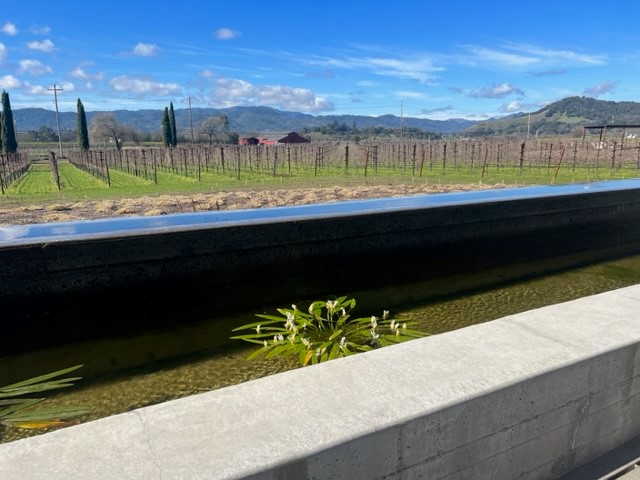
We had an amazing wine host, Victor Orozco. He gave us numerous tips about the wine industry spending an hour and a half educating us. We spoke a lot about this knowledge at the beginning of the post as it was about so much more for us than just Clos du Val. This winery has a place in Napa history and everything about the wines we had spoke to the style of French and Napa Valley fusion. The wines were excellent. Our first red was a Cabernet Franc which is the father of both Cabernet Sauvignon and Merlot and a base of many blends. This wine stood on its own. We also tasted several Cabernets and were lucky enough to try the 2006 and 2011 vintages. 2011 gets a bad rap as a bad year but Victor explained there are no bad vintages in Napa and true to his word, this wine was the best we had on that day. One point of interest — we saw the landscapers removing numerous old Southern magnolia trees along the road on the way into the vineyard. We worried that they were diseased, but it turns out that the magnolias were sucking the ground dry of water using almost 70% of the water in the central vineyard, so for the grapes’ sake the trees had to go.

Domaine Carneros

Who is this winery for? This will be enjoyed by those who love traditional champagne/sparkling wine and are looking for the closest thing outside of France.

Domaine Carneros is a small grower-producer of traditional sparkling wine, Pinot Noir and Estate wines. Founded by the family behind Champagne Tattinger, Domaine Carneros was established in 1987. The Chateau (inspired by the classic 18th century Château de la Marquetterie in Champagne, France) was completed in 1989 and it and the winery are on the original 138-acre parcel in the heart of Carneros, Napa Valley. The vineyard produces classic vintage-dated Brut cuvee and the luxury Le Rêve Blanc de Blancs. In 1992 they added on Pinot Noir and other still wines to the portfolio. All of the wines are from the Carneros appellation, and 100% of the fruit comes from the six estate vineyards comprising 400 acres. The area that the Carneros vineyard lies in has very similar weather to that of Champagne, France making it an excellent place to source grapes for sparkling wines.

Our tasting was amazing as we did a food and sparkling wine pairing (Bubbles & Bites: A Journey to Morocco). All the sparkling wines were well paired with an amazing bite of food. The wine host here spent little time with us as he was clearly covering several tables, so beyond the basics we didn’t get too much understanding of the chateau or winery.

Saintsbury

Who is this winery for This winery will be appreciated by those who love Pinot Noir and lighter tasting Chardonnays.

Saintsbury Winery, named for George Saintsbury, literary historian & oenophile, was founded by Richard Ward and David Graves in 1981. Richard and David met at UC Davis and worked together managing harvests for other wineries prior to founding their own that focuses on Pinot Noir and Chardonnay. They have become greener in their growing and production practices as well as expanded their vineyards, and distribution over the years.

We had an enjoyable time at this winery. Pinot Noir is not really our wine of choice, but if one is to expand their palette and find out what they like, you must sample it all. This led us to the Saintsbury Winery. It was interesting that the three Pinots we tried had many different characteristics because of the different regions they were sourced from. The wines were well made and symbolized the flavors and treatments this milder, less durable grape needs to shine. If you like Pinot Noir style wines it is well worth a stop.

Where did we personally like the most you may ask? I’ll answer this a few ways:

Our Favorite Vineyard (vista, story, etc.)- Stags’ Leap

Our Favorite Wine (simply the taste)- Silver Oak

Best Bang for the Buck (best wine taking cost into consideration)- Honig

Conclusion

Where would we maybe not visit again?

  1. Saintsbury- Great Pinot but we don’t love Pinot, and there was not any great vistas or scenery.
  2. Domaine Carneros- Beautiful location but it felt really commercial and rushed. Worth a single visit but not worth a repeat for us.

Where would we go everytime we visit?

  1. Silver Oak
  2. Duckhorn
  3. Stags’ Leap
  4. Honig
  5. Clos du Val

Will we go to Napa again? Absolutely! In fact we are already starting to think about when we can get back.

How to spend a Great Beach Day in Clearwater Beach, Florida

This past weekend, we were staying near Tampa at the Saddlebrook Resort for our son’s golf tournament.  While his dad and him were getting in a practice round, mom and the oldest decided to take a day trip to Clearwater Beach. We hadn’t come prepared for the beach with towels, beach bags, or chairs, but we had heard about a deal where hotels will allow you to purchase a day pass that gives you access to their pool, beach, and other amenities (depending on the hotel), for a small fee.  There is a website, https://www.resortpass.com/, where you can pick your location or hotel and it will provide a list of nearby resorts and hotels that offer day passes.  These passes can be a great way to spend a day on a staycation or day trip. With many of the hotels you can even get a day rental of a room which if you have young kids is a great place to take them to nap mid-day. They can also make for a great idea for a gift for someone since you can purchase gift cards on the site! Who doesn’t want a day away – even if close to home?  Right now most of the hotels are in Florida, Texas, New York, California, Arizona, and Hawaii but they have partners in 30 states and 150 cities, and it looks like they are still looking for hotel partners. 

Ok, back to our day trip…I had searched on resortpass.com and unfortunately, the only hotel with beach access in Clearwater Beach that was on their website was the Hyatt Regency at Clearwater Beach and they showed no availability for day passes online.  We decided to grab an Uber to Clearwater anyway and see what we could manage when we got there.  All of the beaches in Clearwater, save a few, are public, so we knew we could find somewhere to hang and have fun regardless. Worst case scenario, we have to buy a big beach towel and make the best of it. We have Explorist status at Hyatt, so we had the Uber driver drop us at the Hyatt Regency to see if I could get a day pass straight from the front desk.  We hopped in the guest check in line for reward members and sure enough, we were able to get two day passes for $40/each. 

The front desk guy was so nice and provided us with complimentary bottles of water, and a glass of champagne for mom.  The lobby was beautiful and the hotel areas and amenities were just as nice. We love Hyatt hotels generally, but this one is definitely high on the list for décor, cleanliness and amenities. Our day pass gave us access to the rooftop pool, bar/restaurant, the beach and beach chairs (it was an extra 20 dollars for a chair with an umbrella), towels, changing rooms/bathrooms, and the spa.  It was absolutely perfect for what we needed.

Our first goal was to explore the beach area.  The sand here was unlike anything we had ever experienced. The sand was super soft (almost like that moon sand they have for kids to play with) but yet along the water it was hard and not difficult to walk on.  There were shells aplenty everywhere we looked. Nothing huge, but beautiful shells all the same.  We grabbed a bunch to take home for our collection.  We got two chairs with an umbrella and hung around watching the waves crash, people walk by, and some boats sailing offshore.  We took a short walk down the beach to Pier 60, a large, public fishing pier that also has a bait shop, food and drinks, a large playground and local entertainers playing music on the pier.  There are public restrooms located there but we didn’t need to use them as we had facilities at the hotel. 

One fun thing we found at Pier 60 was an inflatable playground where they had a huge slide and obstacle course inflatables for the kids as well as bungee trampolines.  Our teenager is a still a little kid at heart, and of course, wanted to try out the bungee trampoline.  It was so fun to watch him flipping around on those bungee cords.  After 5 minutes of bouncing, he was out of breath and tired so we walked back to the chairs picking up more shells along the way. We spent some time digging in the sand and dipped our toes in the freezing Gulf of Mexico before heading up to the rooftop pool bar for lunch. 

The Tropico Rooftop Cantina which is located on the 8th floor of the hotel has beautiful views of the beaches and the Gulf. They had amazing Cantina bowls which were essentially burritos without the wrap. They were super tasty along with our virgin and non-virgin daiquiris!  With the wind blowing a cold front in (and the crazy fog), we were freezing and decided to skip the pool (even though it was heated). 

We met a fellow Penn Stater while at the bar who was getting ready to play guitar poolside for the afternoon.  He gave my son some tips on going there and wished him luck on getting in!  We found everyone down here to be so nice and incredibly friendly.  (Our Uber drivers here were some of the nicest we’ve had and very talkative.  As a side travel note, we always make it a point to engage with our taxi or Uber/Lyft drivers. They frequently have amazing life stories to tell or can really give you some great pointers and insight into the area. The kids always say how much they enjoy these conversations.) With the weather still chilly, we Ubered back to Saddlebrook to enjoy a lazy afternoon at the resort before the golf tournament started the next day. 

I would highly recommend checking out the resortpass.com website for some fun ideas and if you are ever in Clearwater, the Hyatt Regency at Clearwater Beach is 5 stars.  The front desk person told us that even during spring break when the college crowd comes in, the Hyatt tends to remain mostly families and they have free activities for families around the resort each day.

How to Pack for a Ski Trip

In families there tend to be three types of packers:

  1. the over-packer ready for any and every scenario
  2. the under-packer who forgets even the basics like underwear
  3. the one who waits for mom to pack everything for them and then complains when the clothes they wanted did not make it into the suitcase. 

In the Wanderingkellers Mom and Dad tend to be the over-packers in our house, and our teens tend to fall into group 3.  After years of traveling as a family though, we have come up with some general packing lists that we use with our teens to help them pack for themselves as these are life skills everyone needs.  We thought we would share these with our readers and even include links to where you can purchase some of the items and a printout checklist you can give to your family members for their packing ease.

*Disclaimer: Some links in this post may be affiliate links. If you click these links and purchase these items, we will receive a small commission. This will not increase the cost to you at all but will help defray the costs of the blog.
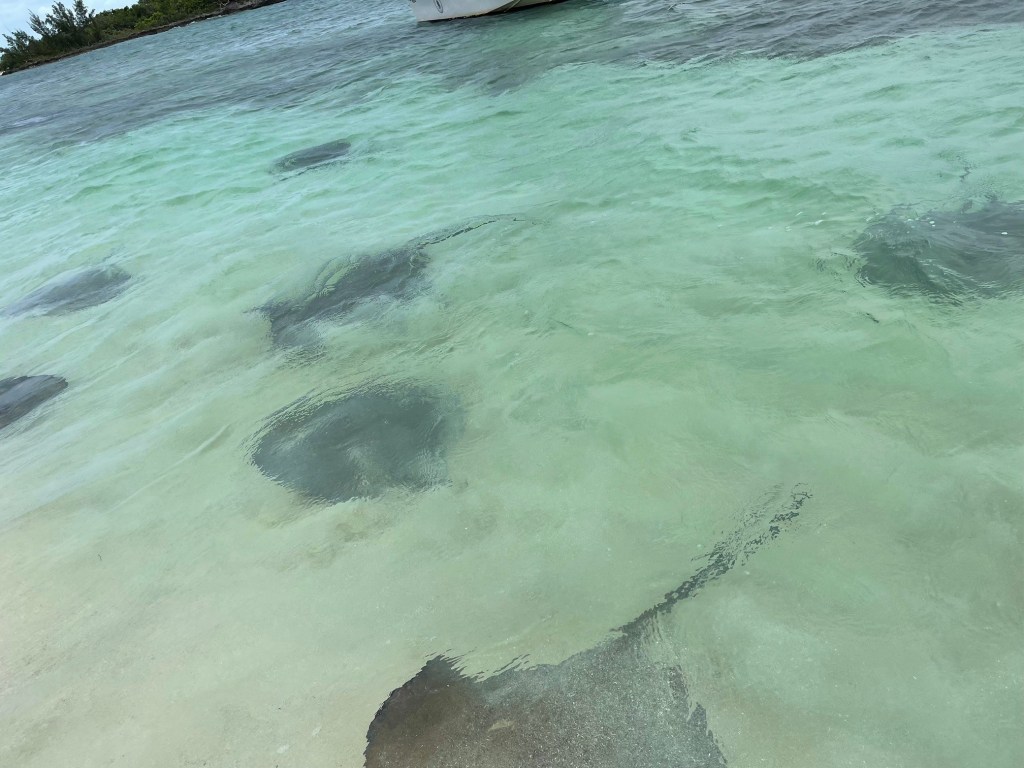
As far as the links go we own or use everything we have linked and will personally attest to their value.

At the end of this post is a PDF packing list to help you stay organized.

We will start with the family ski trip:

Of course, some of these items (and the number you choose to take) will depend on how long you are going away and what the temperatures/weather looks like it will be while you are there.  The list presumes that it will be about a week, dry and cold. We’ll add some “extra” items you could consider if the weather is looking rainy or wet.  And remember, with skiing or any outdoor winter activities, layers are the key!

Clothes Everyone Will Need:

Long underwear

Ski jacket (with lots of pockets to store things while you ski)

Make sure they are waterproof: We love the ones that have multiple layers so if it is warm ski day you can zip out the inner liner. 

Ski pants (again with lots of pockets to store things while you ski)

Make sure they are waterproof and make sure you try them on with as many layers as you will be wearing on the mountain so that you can button or zip them closed once you get fully dressed. If ordering online leave a little extra space. For the boys in the group make sure the pants have a fly since it is easier for bathroom breaks.

Heated Gloves & Socks

These were a game changer for us! Especially when we ski out West.  There are a wide range of options available at multiple price points.  For the kids, we purchased the cheaper version (although we have noticed that the batteries fall out of the socks easier).  For mom and dad, the more expensive Snow Deer version which have proved to be fantastic.  The gloves on the highest setting seem to last until our lunch break on the mountain, at which point we swap them out for extra batteries that we purchased.  The socks often last a whole day since you don’t need to keep them on the highest setting (otherwise your feet feel like they are burning).

Socks

If you don’t have heated socks, we would recommend one layer of wool socks for skiing.  These dry much faster if they get wet and will be warmer on your feet.  (Note: make sure you try your ski boots on with whatever socks you will be wearing to ski as it will make a difference!).

In addition to socks for skiing, you will want to bring 5 or 6 pairs of regular socks to wear at night or on days you are not skiing.

Ski hats or beanies

              This is dependent on what the person likes, you could also do ear bands.  We like the beanies to wear under our helmets to help keep our ears warm. This year, we even found ones with Bluetooth technology (Fulllight tech) that connects to your phone so you can hear your music under your helmet. And they were not even expensive! The kids love them.

Regular underwear

              We recommend a pair of underwear for each day and a few extra (just in case).

Clothes for Non-ski activities/Heading into town

              We always take 1-2 outfits to wear if we go out for dinner or just to walk around the town.  Most ski towns are fairly casual so jeans are welcome most everywhere.  This is an area where you can overpack. Remember that you will often have a washer/dryer if you are staying in a condo so you can wear something more than once.  Normally, each of us take two pair of jeans and two sweaters or nice long sleeve shirts.  For shoes, we usually stick with sneakers or nicer snow boots since you will be likely walking on icy or snowy streets. We also usually wear one pair of our bulkiest clothing on the plane to reduce travel weight in the suitcase.

Après Ski Attire

              You won’t need much here, but we always take a pair or two of pajamas, some sweats and sweatshirts and comfy slippers or socks for lounging back at the room by the fireplace after a long day skiing.

Equipment

Skis/Snowboards (and poles if needed)

              Of course, everyone will need skis or a snowboard.  You can always rent at the mountain or bring your own. One thing to consider is where you will be skiing.  Skiing on powder is often easier and better on skis made for powder rather than the narrower skis we use out East to ski on ice.  All-mountain skis may be the best compromise.  We take our own and have checked them onto the plane before and had them shipped out ahead of our trip. We HIGHLY recommend shipping your skis out and back. It saves you from carrying an additional heavy bag around the airport, to the car rental, etc., plus you can rent a smaller car (which ends up saving the shipping cost), and it is super easy!  We used shipskis.com. You can find more information on our experience with skipskis.com at our blog post on our trip to Steamboat Springs.  We really like the ski bag we use to transport our skis but its been replaced with this model which is solidly constructed but not too pricey..

Helmet

We highly recommend the use of a helmet when skiing. We find that this is something worth purchasing rather than renting as you can make sure it is comfortable for your head. Gone are the days of skiing in jeans with no helmet…we each have had many falls where without our helmet we could have been in a lot of trouble. it also keeps your head worm as an added bonus. we purchased ours through Costco which is a great place to buy one if you catch them before they sell out.

Ski Googles

We have found googles to be a very important part of skiing. If you wish to ski at night having ones that allow easy change to a nighttime lens is very helpful. We use ones that use magnets to hold the lens in. This allows not only easy switching but easier storage of the lens to reduce scratching. Anon are our favorite.

Ski/snowboard boots

              We rent our boots each year, but again, this is something you can purchase ahead of time or rent at the mountain.  As with the helmet, we like to rent ahead of time so we can make sure they are comfortable before a long trip.  As mentioned earlier, definitely wear whatever you plan to wear under your boots when skiing (that includes layers of pants and socks) to your fitting.

Small waterproof backpack

              While not a requirement, this is something we think is useful for at least one of the family members to carry. We keep small water and Gatorade bottles in there, extra hand and foot warmers, maybe a speaker for listening to music. We have two bags (waterproof dry bag and light hiking pack) both of which we have liked.

Hand and feet warmers

              These are critical, especially if you don’t have heated gloves or socks. We buy them in bulk from Costco, but you can also order them on Amazon or get them at your local outdoor store but purchasing in bulk makes them much more affordable. There is nothing worse than stinging, numb fingers to ruin a ski day.

Toiletries

              We won’t get into many specifics here but you will want to make sure you bring plenty of Chapstick, Aquaphor, and moisturizer as your skin will definitely be dry and itchy from the dry air if you are skiing out West especially at higher elevations. If your room has a humidifier use it from the first day. Your skin will thank you.

Food

On many vacations, you don’t need to think about food, but skiing is the exception. First, many ski accommodations have small kitchens.  Picking up groceries on your way into the hotel, or having them delivered using Instacart or another delivery service, allows you to eat some meals in the room so that you can spend more time skiing (and sleeping at the end of a long day).  Some places will even have a service to deliver already prepared (but not cooked) meals to your room, like What a Crock, that we used in Steamboat.  Second, skiing tends to make you ravenous and also very thirsty due to the dry air and exertion. Ambling around off the snow in ski gear is difficult, so being able to eat a quick snack while in line or at a lodge mid-mountain is a great way to fuel up without sitting down. We always ski with a small backpack so that wherever we are we have access to snacks and necessities like hand warmers.

Snacks on the mountain for everyone to consider:

  1. Protein bars/Granola bars
  2. Beef Jerky
  3. Gatorade
  4. Water bottles

If you have a kitchen and are staying for a while:

  1. Eggs
  2. Frozen hash browns (see our favorite ski morning breakfast on our Steamboat post)
  3. Deli meat for sandwiches
  4. Cheese
  5. Soup in microwave-ready containers
  6. Bread for toast and sandwiches (and toast toppings like butter, jams)
  7. Frozen waffles, breakfast burritos, or pop tarts
  8. Pasta or frozen pizzas
  9. Pretzels, chips, nuts, snacks
  10. Milk
  11. Cookies or other desserts
  12. Wine and/or beer for your après ski!

Electronics

We travel with a few of these electronics everywhere we go, but especially when skiing:

  1. Bestek power pack which on trips outside the US also converts power for your devices.
  2. Portable power packs that double as hand warmers
  3. Heated gloves and socks
  4. Extra phone chargers (the cold can drain your phone battery more quickly, and who can ever have enough chargers)

Some things to consider:

  1. GoPro– make sure you use a chest mount as I lost my GoPro skiing out west when it snapped clean off my helmet. I also recommend and use the screen protectors.
  2. Nintendo Switch for some nighttime fun- also useful on long car rides and long plane trips (and if you bring an HDMI cord with you, often you can plug it right into the TV)
  3. Apple Watch- this can enhance your ability to capture skiing data like speed and heart rate while attacking the slopes.
  4. Hats with built-in speakers– our kids love these.
  5. Books and card games to enjoy during your après ski
  6. There are some great skiing apps available for your phone. Each of them often does something a little different.  Also, EPIC and IKON each have their own apps with trail maps, tracking ability and other features.  Slopes is a great app to track your vertical feet, location, speed, etc.  And sometimes the individual resorts have their own app, like Steamboat.

How To Plan a Visit to The Napa Valley Wineries

Napa Valley in Northern California is one of our bucket list items and one I know that many all of ages want to hit once in a lifetime – at least. It is full of beautiful vistas and over 375 vineyards that are available for tastings (at least when Covid restrictions don’t shutter them). Some say over there are actually over 425, although it’s all a matter of how you count. Suffice it to say, there are more than one person could possibly visit all in one trip.  It is also a foodie’s paradise. There are 4 Michelin one-star rated restaurants and The French Laundry boasting 3 stars. Additionally, 25 restaurants carry the Bib-Gourmand or L’assitte rating.

*Disclaimer: Some links in this post may be affiliate links. If you click these links and purchase these items, we will receive a small commission. This will not increase the cost to you at all but will help defray the costs of the blog.
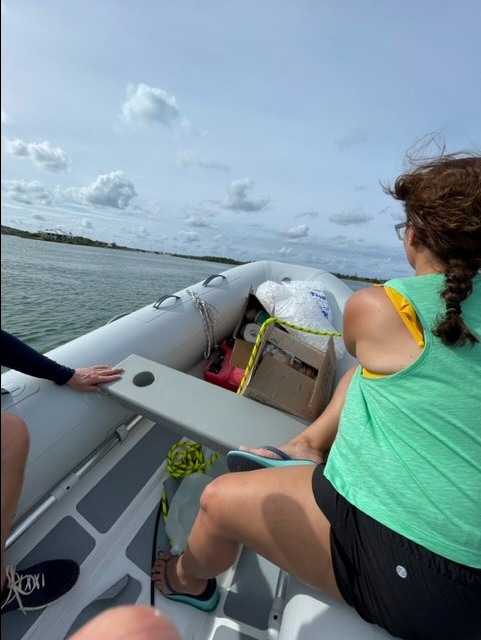
As far as the links go we own or use everything we have linked and will personally attest to their value. As you’re planning, read more about the wineries we visited and where we stayed to help make your trip ever better.

If you’re looking for a relaxing spa or wellness getaway, a romantic getaway or even a family trip, there are accommodations for everyone.  From B&Bs to inns and boutique hotels and larger resorts, there is something for everyone in your group. The issue becomes how you plan a trip to Napa in limited time with so much to choose from. First, you could spend the money to have someone plan the trip for you, get a private car, and allow yourself to be whisked to the best destinations. If that’s your style and it sounds like a truly stress-free vacation read no further. Just remember you will be seeing someone else’s version of Napa.  Here is a sample link of companies that will do this for you .  Also, many expensive resorts have concierges that will help you plan as well.

But for those of you looking to plan the trip yourself and leave some wiggle room for spur of the moment decisions, let’s start talking about how to plan the trip.

One thing we also purchased before heading out was a wine suitcase to bring home some of the single bottles we purchased along the way to avoid shipping. We really liked it and everything got home in one piece. If you buy heavy bottles however you may only get 11 bottles in under the weight limit.
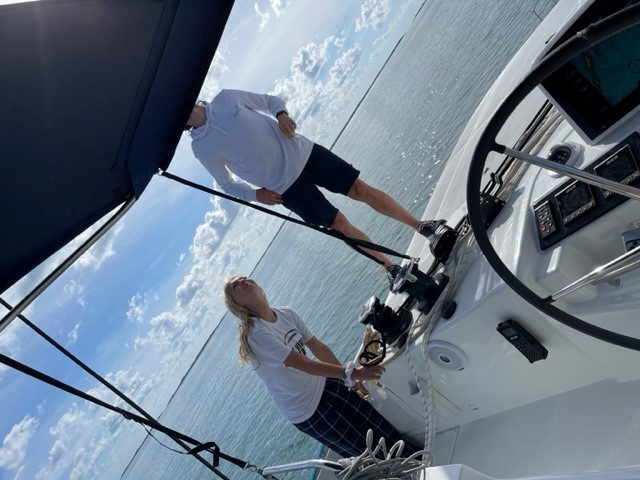
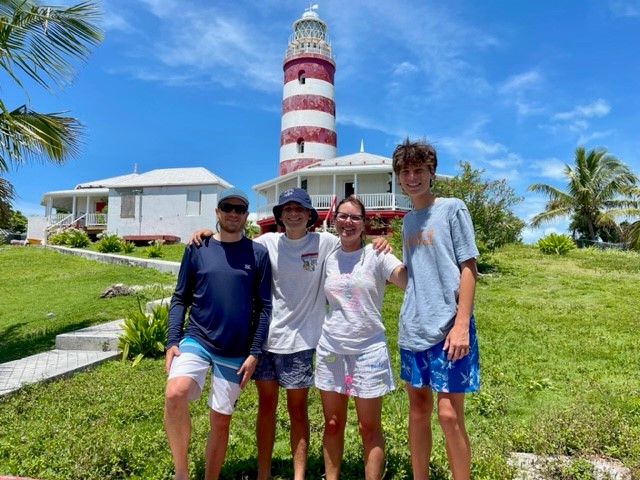
Steps to get started:

  1. Write down your must dos/haves for wineries, restaurants, and hotels. Think about your goals and aspirations for the trip.  These things could include: how much time you plan to spend in your room, how close you want to be to nature or the nightlife, whether you are looking for a wellness retreat or instead plan to visit wineries non-stop, are you a large winery or boutique winery person (or both), etc.
  2. Write down those things you would like to do if you have time, but aren’t at the top of the priority list.
  3. Think about your budget and start to prioritize. Costs can climb quickly so continually keep your budget in mind as you are planning.
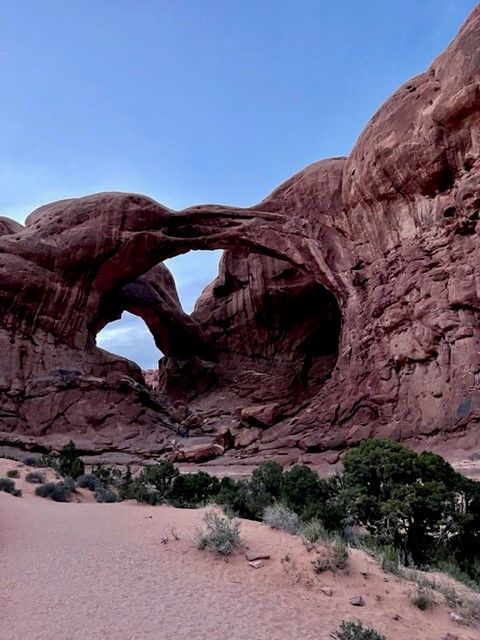
  4. Consider transportation because if you’re tasting you won’t want to drive yourself around.  But you may still want to rent a car for non-wine drinking days where you may want to visit other parts of the area, or just for the drive from the airport to the area. If you are doing things slowly, using Uber/Lyft can be fine. If a whirlwind tour with many tastings is your style, a private car for that day may be helpful. (There are also wine trolleys and wine trains and bike tours too!)
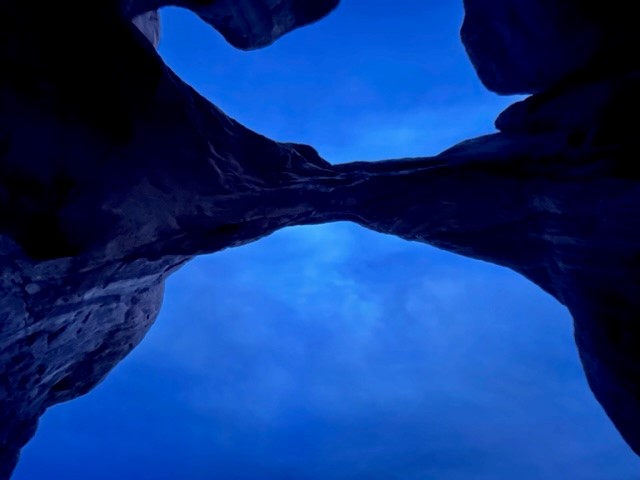
  5. Organize everything into regions as that’s is the way to experience and plan Napa. We break this down into:
    1. Calistoga/Saint Helena (Napa North)
    2. Yountville/Oakville/Rutherford (Napa Central)
    3. Napa Proper/Los Carneros/Coombsville (Napa South)

Must do’s:

For many people there are specific wineries they have heard of but rarely drink due to cost and availability (Opus 1, Far Niente, Silver Oak, Stag’s Leap, etc). For some, they have vineyards they want to visit because they enjoy their wine and want a deeper connection (for us that’s Matthiasson, more on this in other posts). For some, they just want to visit wineries but have no real must do’s (these people should prioritize their restaurants and do wineries that are appropriately priced in the right areas for their dining selections).

Activities:

Do you want to do a wine train, an electric trike tour, or an open air wine trolley? Is a visit to the spa on the list or is the plan to relax at a sumptuous resort for a few days in between wine tastings? It’s easy to get lost in all the things to do, places to eat, and wines to try.

So far everything is about avoiding the biggest mistake most people make, especially in their first visit. That’s trying to do it all and realizing you just can’t in a week.

Budget:

Although some winery tastings are free (typically if you purchase a bottle of wine), many often cost between $45 and $200 per person depending on the type of tasting and whether it includes food, a tour, or something else (private, cave, vineyard grounds, etc.).  The elite nature of the winery of course can also effect price. As one can imagine, this can add up quite quickly if you do 2-4 tastings a day. Lodging has a similar cost spread with rooms ranging from $1200 per night and up at some of the choicer hotels like the Four Seasons or Auberge, $180-300 per night at your more typical chain hotels like the SpringHill Suites or Marriott. The rule of thumb is the further you are from the central wine area the more affordable the accommodations. Obviously, six nights at the Auberge may be the entire budget or more for many, so be mindful. The restaurants can also be quite pricey, especially if you are Michelin star dining more than once.

Transportation:

Some hotels (typically the more expensive ones), like the Carneros Resort, will have a shuttle that will take you a certain distance from the hotel (5-7 miles is about what they will do). Ubers/Lyfts are very prevalent, but there can be a wait depending on your location and the demand.  So if choosing this type of transportation leave time between tasting and request your ride near the end of the tasting to save time. Private cars can be pre-arranged either by you or your hotel and if you are traveling in a group, you have the option of alternating designated drivers. If traveling to multiple hotels and wine areas, renting a car may be the most economical choice as the drive from the airport can be expensive depending on where you are traveling to in the valley.

The Wine Regions:

People travel to wineries for multiple reasons, whether it be the beautiful scenery, the wine itself or both.  The thing to consider though is that the wine is just part of the experience. Some wineries have cave tours and others food with wine pairings, so there’s a lot to consider. Lastly, not all wineries taste on all days (many at least in off seasons are open only Thursday-Monday) so that is yet another aspect to consider when planning.

When planning our first trip, here is a selection of the wineries we considered:

Our own personal favorites:

  1. Honig
  2. Silver Oak
  3. Duckhorn
  4. Stag’s leap
  5. Matthiasson

Places that we wanted to go because of the reputation of the wine:

  1. Opus 1
  2. Schafer
  3. Far Niente

Places that we wanted the experience:

  1. Castello di Amoroso
  2. Domaine Carneros
  3. Brian Arden

Lodging:

There are many great places to stay as we discussed above. While this is not nearly an exhaustive list, it was some of the places that had been recommended to us, or we had read about other places, and we considered in planning our first trip. There are numerous links here but we have no specific deals with any of these establishments.

Luxury:

Four Seasons Napa Valley

  • Located in Calistoga
  • Bike tours from Hotel available
  • Surrounded by organic vineyards (Elusa winery)

Auberge du Soleil

  • Gorgeous views and beautiful rooms transport you to Provence in style and grace
  • Located in Rutherford
  • Has a Michelin one star restaurant (14 years running 2022) on property

Solage du Auberge

  • Located In Calistoga
  • Offer personal Pelotons if requested
  • Mud baths at the spa
  • Beautiful retreat amongst the backdrop of wine country

Hotel Yountville

  • Located in downtown Yountville
  • Boutique hotel
  • Beautiful accommodations in the heart of the town

Carneros Resort

  • Complimentary bicycles
  • Luxury spa
  • Beautiful surroundings
  • Many activities and amenities for guests

Mid-range accommodations:

Budget:

Putting it all together:

We recommend staying in 2-3 locations as it makes things easier for travel and tasting, but depending on your plans and how long your visit is you may decide to plan out of one location.

Regions and wineries to consider in each — This is by no means a complete list, but does include some everyone should consider based on the quality of wine, uniqueness of the growing conditions and beauty of the estates. These demarcations are arbitrary, as there are numerous (some say 16 regions) within the Napa Valley area, but one must divide things up somehow. This is mostly divided by areas to stay as many hotels are concentrated in the middle of these areas.

Calistoga/Saint Helena (Napa North)

  1. Castello di Amorossa
  2. Schramsberg
  3. Twomey
  4. Frank Family
  5. Brian Arden
  6. Clos Pegase
  7. Chateau Montalena
  8. Spottswoode
  9. Charles Krug
  10. Merryvale
  11. Chappellet
  12. Duckhorn
  13. Ovid
  14. Ballantine
  15. Hall Rutherford

Yountville/Oakville/Rutherford (Napa Central)

  1. Quintessa
  2. Honig
  3. Alpha Omega
  4. Caymus
  5. Robert Mondavi
  6. Far Niente
  7. Silver Oak
  8. Paraduxx
  9. Nickel and Nickel
  10. Stag’s Leap
  11. Shafer
  12. Clos du Val
  13. Cakebread
  14. Inglenook
  15. St Supery
  16. Peju
  17. Rutherford Hill
  18. Mumm
  19. Jessup

Napa/Los Carneros/Coombsville (Napa South)

  1. Domaine Carneros
  2. Saintsbury
  3. Matthiasson
  4. Schug
  5. Cuvaison
  6. Artesa
  7. Etude
  8. Azur
  9. Shadybrook

Websites to help you plan:

We used the following two sites to help plan our trip, but there are many out there to help assist with your planning.

Napa Valley-great site to pick wineries and book some experiences

Visit Napa Valley  – has a great map that is easy to read and to use for planning and can be printed so you can write it on it and take it with you

Napa Valley Wine– My favorite planning site as it has itineraries preplanned with 3-6 wineries based on location and wine type as well as a very use friendly interactive map

At the end of the day:

There are a lot of things to think about, so many places to stay and only so much time to be had. This post is no where near inclusive of all options but I hope it helps guide everyone towards a wonderful stay in Napa. I would love to hear what people thought about this post and how it could be better. Please like the post and/or click the feedback button to let us know what you thought and what you did and didn’t like.